Tariffs and Tax Burdens Drive Voter Focus in Midterm Race
New AP-NORC data shows economic anxiety outweighing other concerns as Americans head to the polls in record numbers.
By Alina Carter ·

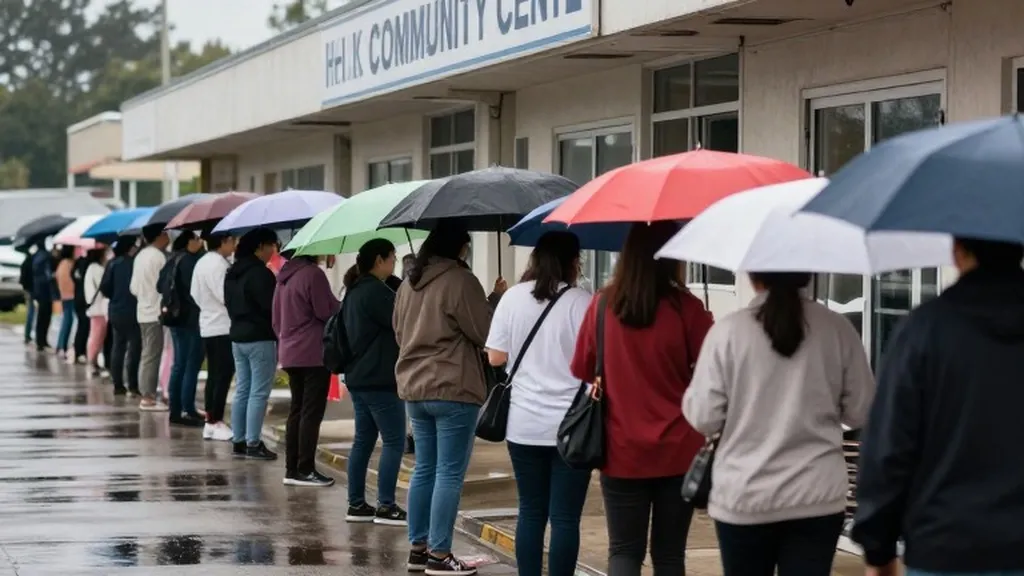
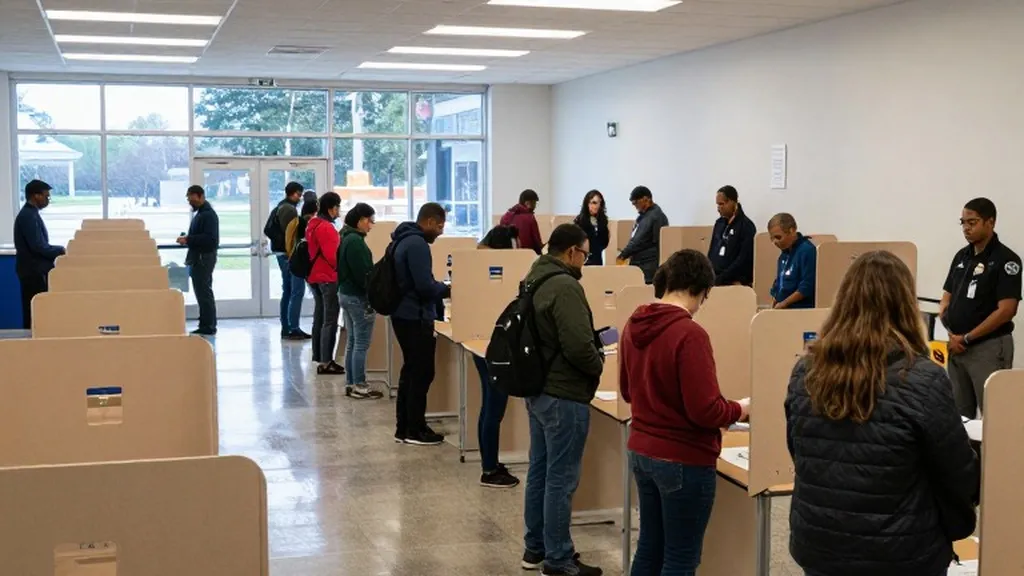
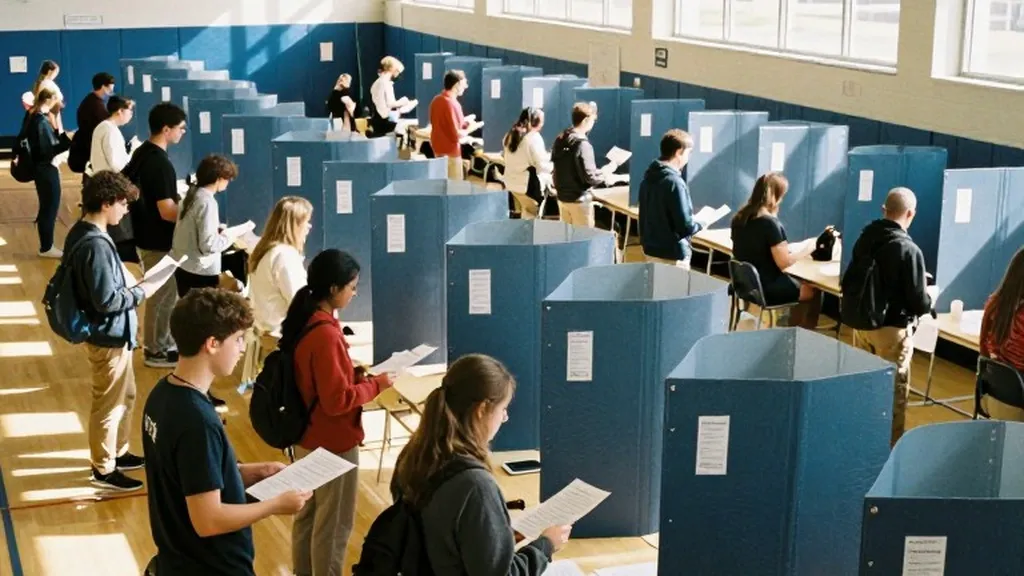
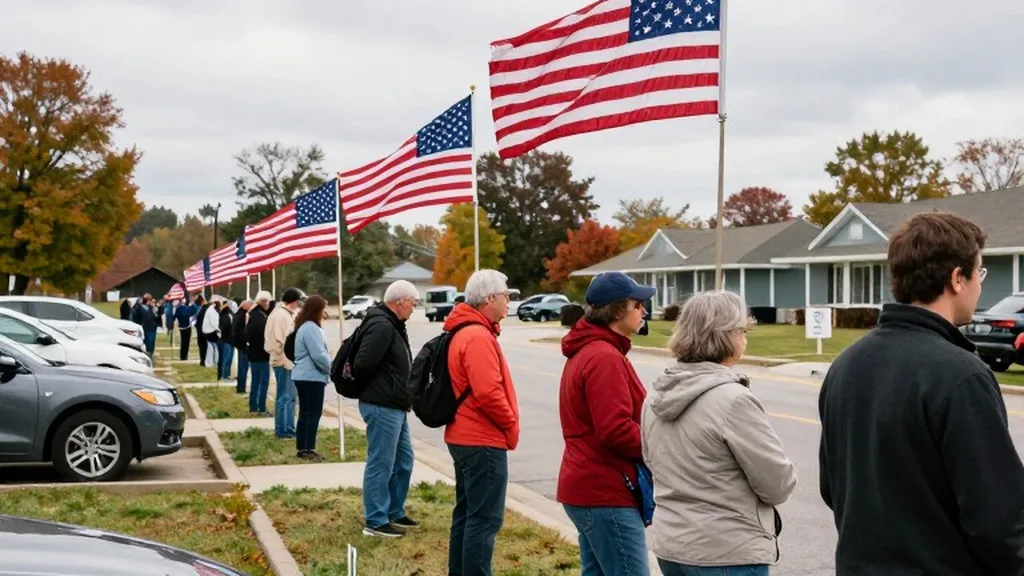
As polls open across the nation on Tuesday, November 3, 2026, the central question for voters appears to be the state of their wallets. The Associated Press describes the midterm election as a referendum on President Donald Trump's second term, with many citizens struggling with high prices and expressing anger over an unpopular war with Iran. This economic strain is shaping the narrative in swing districts and states where the control of Congress will be decided for the final two years of the current administration.
According to new AP-NORC polling, only 25 percent of U.S. Adults approve of the president's handling of the economy. A broader 35 percent approve of his overall job performance, while about seven in ten say the country is heading in the wrong direction. Most respondents in the poll blame the president for high prices, making the cost of living the primary driver of voter sentiment. This dissatisfaction is visible in the high turnout numbers, with more than 57 million people having already cast their votes as of Monday, surpassing early vote totals from four years ago in many closely watched states.
The impact of tariffs and inflation is particularly acute in battleground states where voters are weighing the benefits of recent trade policies against the rising cost of daily goods. In Raleigh, North Carolina, James Moore, a 57-year-old librarian, cited the cumulative effect of these economic shifts as his primary concern. Moore stated that he is paying more taxes, more for healthcare, and more for everything. His comments reflect the broader anxiety felt by independents and moderates who are deciding whether to reward or punish the party in power based on their household budgets.
Conversely, other voters remain focused on the president's broader agenda and his handling of foreign policy. In Palm Beach Gardens, Florida, Mark Barker expressed a different perspective, noting that he has been following Trump the whole time and believes he is doing an awesome job. Barker’s sentiment highlights the polarization of the electorate, where economic data is interpreted through the lens of long-term loyalty or opposition to the administration. This divide is playing out in 46 House battleground districts identified by Ballotpedia, where margins are expected to be razor-thin.
Republicans are bracing to lose the House and are fighting to hold the Senate, with the potential for one or two seats to tip either chamber. Democrats, meanwhile, are described as cautiously optimistic. If Democrats win even one chamber, investigations and possible impeachment proceedings become likely. House Democratic Leader Hakeem Jeffries, who would be the first Black speaker if his party takes the majority, has outlined a 100-day agenda focused on the cost of living and oversight. This agenda directly addresses the concerns raised in the AP-NORC poll about the direction of the country.
Economic strain and tariffs have also made the state of Maine a competitive Senate race. The AP points out that these factors have shifted the dynamics in a state that has historically leaned Republican. Senator Susan Collins is facing Democratic former state Senate President Troy Jackson in a race rated as a toss-up by all four major prediction models. The fight for control of the Senate is equally intense in other states, including Kansas, which has become central to the battle despite being reliably Republican. In North Carolina, former Governor Roy Cooper is challenging Michael Whatley in a race that mirrors the national debate over economic management.
Money is playing a significant role in shaping the message voters receive. The 2026 elections are likely to be the most expensive in history, with Republican committees outraising and outspending Democratic committees. This spending was boosted by Trump-affiliated groups and Elon Musk, although at the candidate level, Democrats outraised their opponents. An AP analysis of AdImpact data shows that 88.1 percent of Republican general election TV ad spending went to states and districts that Trump won in 2024. This strategy suggests that Republicans are prioritizing defense of their existing base while Democrats focus on attacking the president's economic record in more competitive areas.
The president has been actively campaigning to rally his base, holding dozens of rallies in recent weeks. He ended a series of events in Salina, Kansas, on Sunday, telling voters, "I really want you to pretend I'm on the ballot." His schedule included stops in Mississippi, South Carolina, and Texas, though many Republican candidates kept their distance from the president's more aggressive rhetoric. Despite this, Trump has continued to make claims about voting fraud, leading his administration to file lawsuits in Alaska and California. These legal moves have added a layer of complexity to the election administration, with critics fearing interference and intimidation as the Justice Department threatens to prosecute local election officials.
A federal judge temporarily barred the administration on Monday from carrying out a plan intended to prevent noncitizen voting, a move that critics say risks disenfranchising eligible voters. Another judge ordered the administration to stop demanding that California officials segregate ballots cast by people on lists of suspected noncitizens. These legal developments highlight the tension between federal oversight and state authority over elections. Meanwhile, the U.S. Postal Service has added hours, staff, and special lines to ensure that mail ballots are counted on time, a crucial step in a year where mail-in voting played a significant role in early turnout.
Wall Street is also watching the results closely, as Reuters notes that the outcome could add to investor concerns about AI spending and debt ceiling negotiations. The stakes extend beyond just who controls Congress, as the composition of the legislative branch will determine the ability to pass major economic legislation. With all 435 House seats and 35 Senate seats up for grabs, the results will dictate the balance of power for the remainder of Trump's term. As voters head to the polls, the focus remains firmly on the price of groceries, the cost of healthcare, and the overall direction of the American economy.