Record Spending and Strategic Edges Define the 2026 Midterm Election Landscape
While Democrats lead in candidate-level fundraising, Republican committees dominate total expenditure, with heavy investment in states President Trump won last cycle.
By Petra Murphy ·
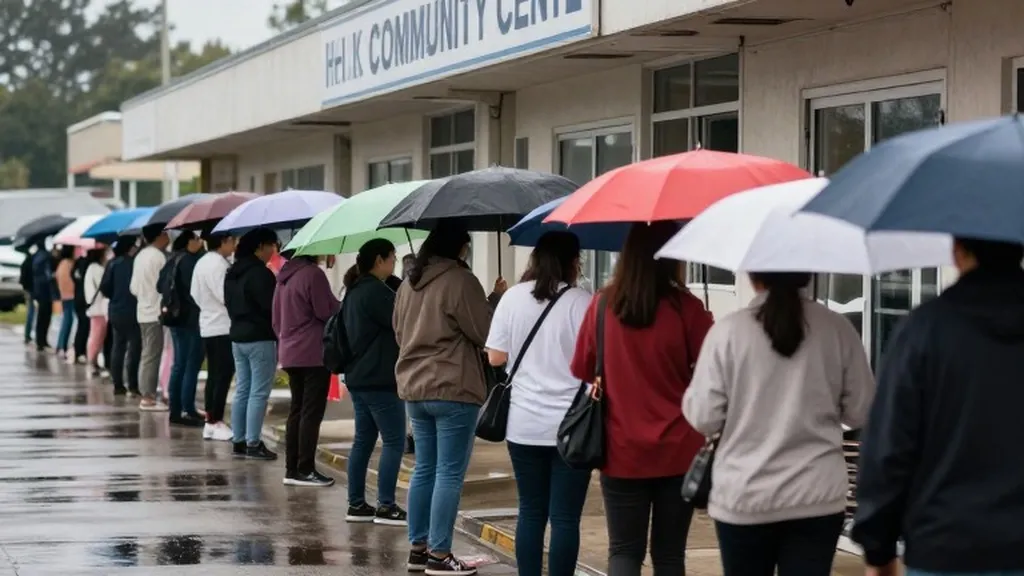
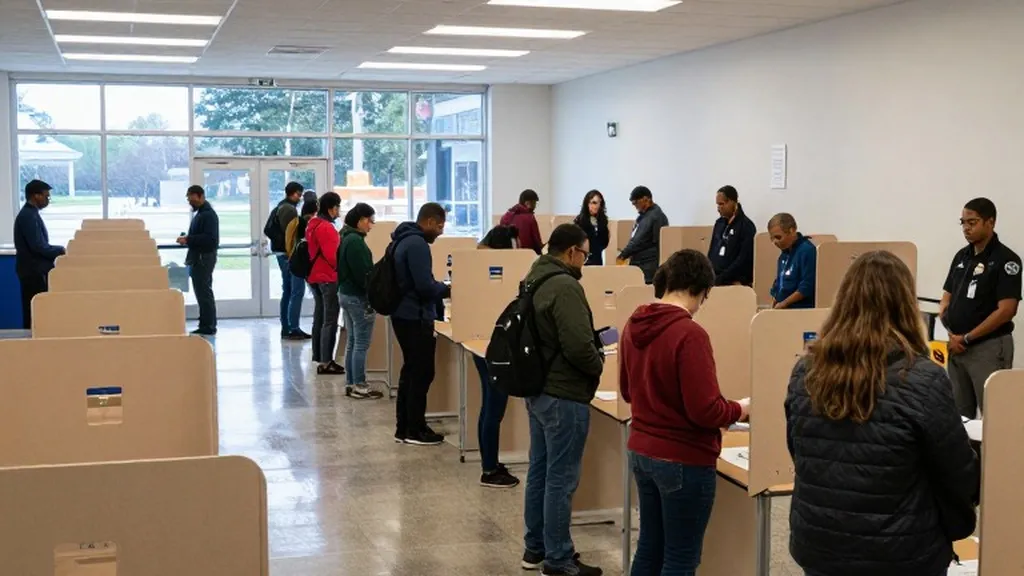
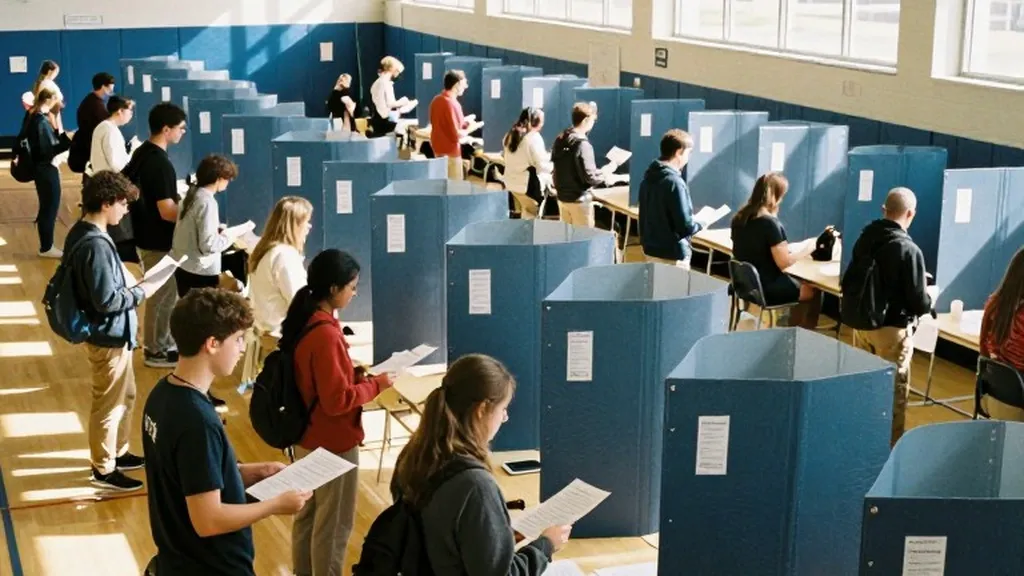
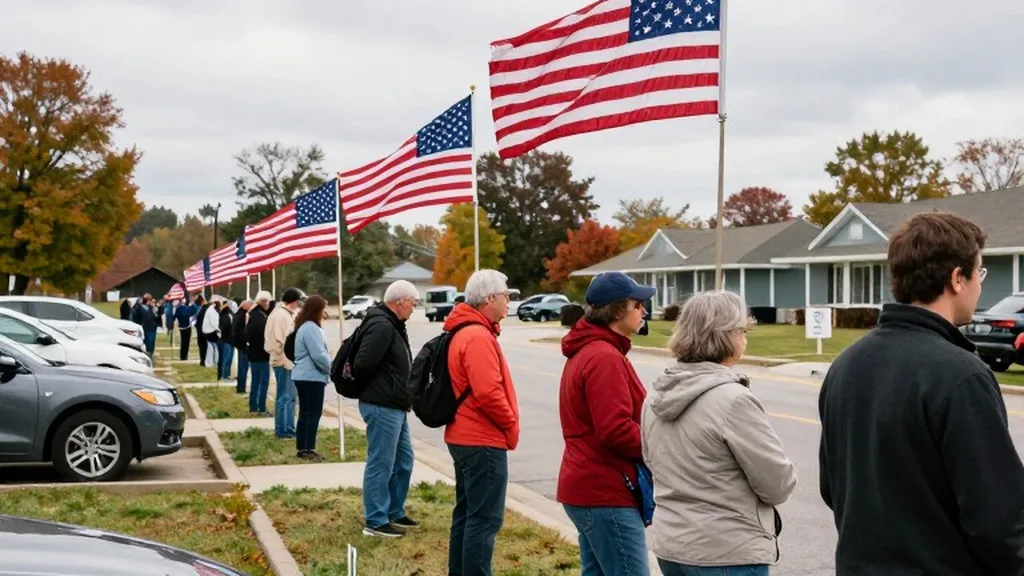
The 2026 midterm election is shaping up to be the most expensive in American history, with financial resources dictating the strategic landscape for both major parties. As polls open across the nation, the flow of money highlights a distinct divergence in how Democrats and Republicans are deploying their funds. The total spending is expected to surpass all previous records, creating a high-stakes environment where advertising reach is a primary competitive advantage.
At the committee level, Republican organizations have outraised and outspent their Democratic counterparts significantly. This financial edge is largely attributed to the influence of Trump-affiliated groups and the substantial contributions from tech billionaire Elon Musk. The Associated Press notes that this surplus in committee funds has allowed Republican committees to maintain a persistent presence in the airwaves and digital platforms throughout the election cycle, ensuring their messaging reaches a broad audience.
The allocation of these Republican committee funds reveals a specific strategic focus. The AP analysis indicates that 88.1 percent of Republican general election television ad spending was directed toward states and congressional districts that Donald Trump won in the 2024 presidential election. This targeted approach suggests a strategy aimed at consolidating support in areas where the incumbent president has strong name recognition and approval ratings among the electorate.
Within this targeted spending, a remarkable concentration of resources occurred in the most solidly Republican areas. More than 850 million dollars in television advertising was spent in states and districts where Trump won by ten points or more in 2024. This figure underscores the immense scale of the campaign and the belief among Republican strategists that high-turnout efforts in these safe zones are critical to preventing the traditional midterm losses often seen by the president's party.
Conversely, the Democratic Party has achieved a different kind of financial strength at the candidate level. Despite lagging behind Republican committees in total resources, individual Democratic candidates outraised their Republican opponents in many races. This candidate-level edge provides Democrats with significant flexibility in their local campaigns, allowing them to outspend their rivals in specific districts where they are fighting to hold their seats or gain a net advantage.
RNC Chairman Joe Gruters emphasized the importance of mobilizing voters to leverage these financial advantages. He stated that everything depends on turnout, asserting that if the party can turn out its voters, they will win. This sentiment reflects a broader Republican strategy that views the substantial media presence as a tool to energize their base and drive them to the polls on election day.
Democratic leadership is focusing on the anger of the electorate as a counterbalance to the Republican spending machine. House Democratic Leader Hakeem Jeffries, who would become the first Black speaker if his party takes the majority, has outlined a 100-day agenda centered on the cost of living and oversight. DCCC Chair Rep. Suzan DelBene captured the party's mood, noting that the American people are angry and want change, suggesting that the candidate-level fundraising is helping to fuel this narrative in key battlegrounds.
The financial dynamics play out against the backdrop of a political environment where voters are struggling with high prices and an unpopular war with Iran. AP-NORC polling shows that 35 percent of U.S. Adults approve of Trump's job performance, while about seven in 10 say the country is heading in the wrong direction. Most respondents blame the president for high prices, a sentiment that Democratic candidates are leveraging in their locally focused campaigns.
Voter Mark Barker of Palm Beach Gardens, Florida, represents the side of the electorate that views the president's tenure positively. He stated that he has been following Trump the whole time and believes he is doing an awesome job. This perspective aligns with the Republican strategy of focusing on states where Trump performed well, where such approval ratings are most common and where the majority of the 850 million dollars in heavy spending was deployed.
In contrast, voter James Moore, a 57-year-old librarian in Raleigh, North Carolina, expressed the economic frustrations that Democrats are highlighting in their candidate-level campaigns. Moore noted that he is paying more taxes, more for healthcare, and more for everything. These individual stories illustrate the economic divide that the massive advertising spend from both sides is attempting to influence, with each party using their respective financial strengths to target voters in different parts of the political map.
The race for control of Congress remains tight, with Democrats needing a net gain of three House districts and four Senate seats to achieve a majority. The interplay between the Republican committee's massive spending in Trump-favorite states and the Democratic candidate-level edge in competitive districts will determine the final balance of power. As the day draws to a close, the sheer volume of money spent will have left a lasting imprint on the political landscape, regardless of the final tally of seats.