Wall Street Watches Midterms: AI Costs, Debt, and Trade Stakes
Investors face potential policy shifts on AI spending and debt limits as voters decide Congress control.
By Tunde Bailey ·
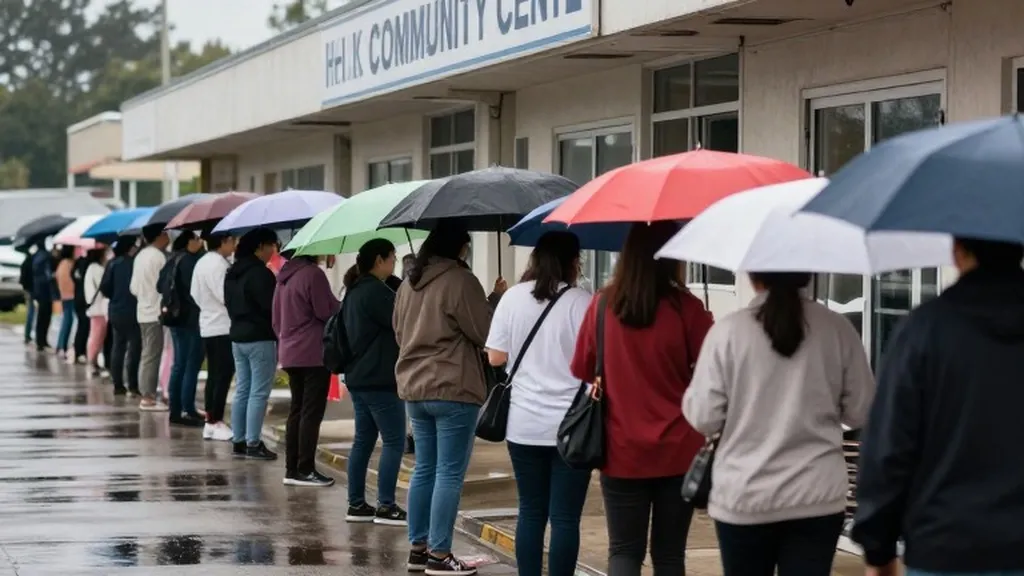
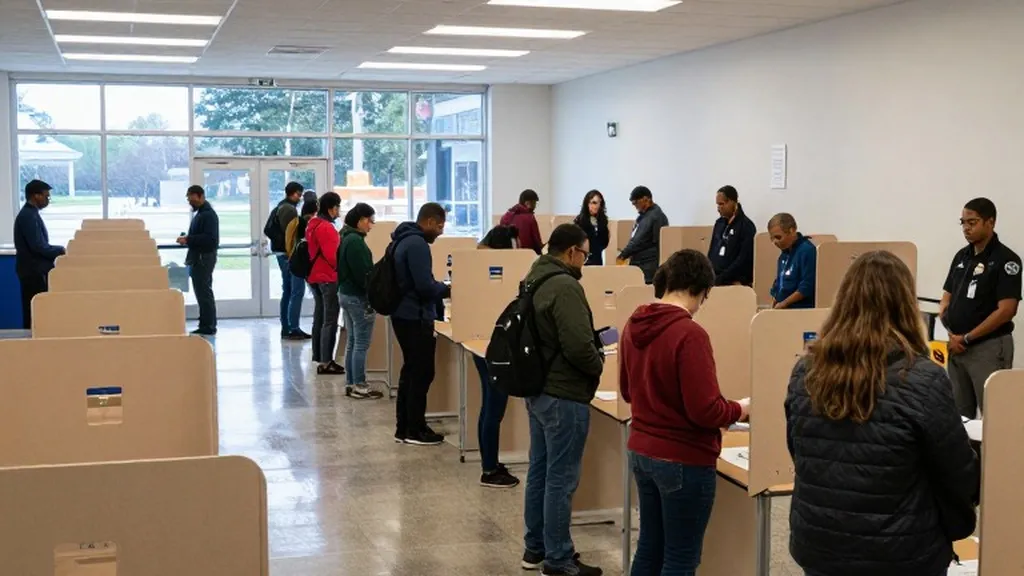
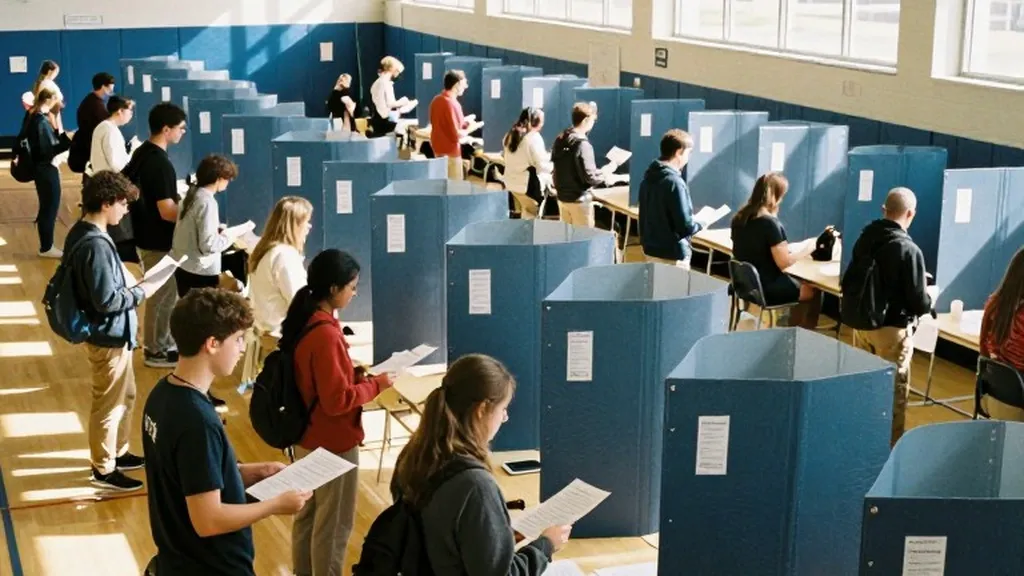
As polls open across the nation on this Tuesday, the focus extends beyond the usual partisan tug of war. Wall Street and global markets are closely monitoring the outcomes of this midterm election for signals on artificial intelligence spending, the debt ceiling, and trade alliances. The Associated Press notes that the results could add to investor concerns regarding these specific economic pillars, creating a complex backdrop for financial planning in the coming months.
The election is being framed as a referendum on President Donald Trump's second term. Voters are struggling with high prices and are angry over an unpopular war with Iran. This sentiment is reflected in recent polling data and NORC, which indicates that only 35 percent of U.S. Adults approve of the president's job performance. Furthermore, about seven in ten adults say the country is heading in the wrong direction, with most blaming the administration for elevated costs.
Financial markets are particularly sensitive to the legislative outcome because of the potential for new oversight and investigations. If Democrats win control of even one chamber of Congress, the likelihood of investigations and possible impeachment proceedings increases. This scenario could introduce uncertainty into policy areas that are critical for corporate planning, including technology regulation and fiscal policy. House Democratic Leader Hakeem Jeffries has outlined a 100-day agenda focused on the cost of living and oversight, which may directly impact sectors currently driving market growth, such as AI.
The debt ceiling remains a central concern for investors. With Republicans holding the White House and Democrats potentially gaining leverage in Congress, the dynamics of fiscal negotiations could shift significantly. A divided government often leads to prolonged debates on spending and borrowing limits, which can cause volatility in bond markets. Reuters highlights that the results of this election will add to existing investor concerns about how the debt ceiling will be managed in the final two years of the current presidential term.
Trade policy and alliances are also under scrutiny. The Associated Press notes that economic strain and tariffs have made certain states, such as Maine, highly competitive in the Senate race. This suggests that voters are weighing the economic impact of current trade policies. For Wall Street, the direction of trade relations with key allies and rivals could influence supply chains and export opportunities, particularly in industries heavily reliant on global markets.
The race for the U.S. House of Representatives is particularly tight, with all 435 seats up for grabs. Republicans currently hold 218 seats, while Democrats hold 214. Democrats need a net gain of three districts to secure a majority, a goal they are cautiously optimistic about achieving. More than 57 million people had already voted as of Monday, surpassing the early vote totals from four years ago in many closely watched states. This high turnout indicates a strong engagement with the issues at stake, including the economic pressures that drive market sentiment.
In the Senate, 35 seats are up for election. Republicans hold 53 seats, and Democrats hold 45, with two independents who caucus with the Democrats. Democrats need a net gain of four seats to take the majority. The Associated Press identifies several battleground states, including Georgia, Michigan, and New Hampshire, where the outcome could hinge on voter perceptions of the economy and foreign policy. The control of the Senate will determine the pace and scope of legislative action on issues like AI regulation and trade agreements, which are critical for corporate strategy.
Governor races in 36 states are also influencing the national conversation. Democrats are hoping to hold a majority of governorships for the first time in two decades, a feat that has eluded them since 2010. The Associated Press notes that the race in Georgia, featuring Republican Rick Jackson and Democrat Keisha Lance Bottoms, is a key indicator of the broader trend. The outcome of these races could affect state-level policies that influence business environments, including tax incentives and infrastructure spending, which are vital for long-term economic growth.
The role of money in this election is unprecedented, with the 2026 cycle likely to be the most expensive in history. The Associated Press analysis of AdImpact data shows that 88.1 percent of Republican general election TV ad spending went to states and districts that Trump won in 2024. This targeted approach reflects a strategy to solidify support in key areas, but it also highlights the financial resources being deployed to influence the outcome. For investors, the intensity of the campaign spending may signal the level of political polarization, which can affect market stability.
Voters are making their decisions with a keen awareness of the economic stakes. James Moore, a librarian in Raleigh, North Carolina, said that he is paying more for taxes, healthcare, and everything else. This sentiment is shared by many voters who feel the pinch of inflation. Meanwhile, Mark Barker of Palm Beach Gardens, Florida, expressed support for the president, saying he thinks he is doing an awesome job. These differing views represent the core of the debate that will shape the next two years of policy.
As the day progresses, the focus will remain on the key battlegrounds and the potential for a divided government. The Associated Press notes that one or two seats could tip either chamber, making the outcome uncertain until the very end. For Wall Street, the clarity of the result will be crucial in determining the next steps for AI investment, debt management, and trade policy. The markets will watch closely for any shifts in tone from both parties as they prepare for the final two years of the current administration.