House Race Hinges on Three Seats and New Maps in Seven States
With 435 seats up for grabs, the fight for the House majority will be decided by a razor thin margin in 46 competitive districts and redistricted areas.
By Alina Carter ·
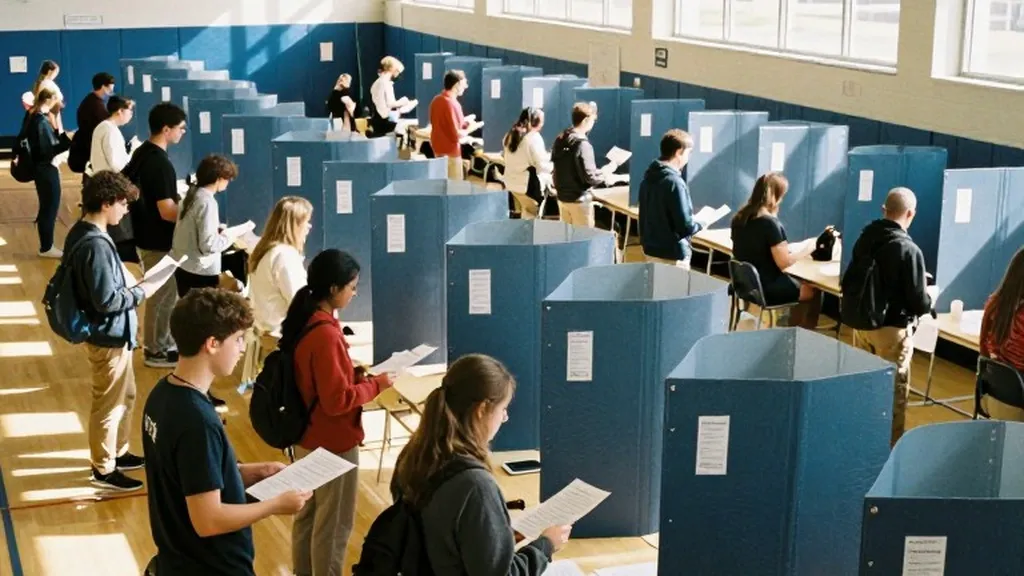
On this Election Day, Tuesday, November 3, 2026, voters across the United States are casting ballots in the midterm election. This contest occurs halfway through President Donald Trump's second term. The outcome will determine which party controls Congress for the final two years of his administration. All 435 seats in the U.S. House of Representatives are currently on the ballot. This makes the House race the central focus of the day's political attention.
The current balance of power in the House is extremely close. Republicans hold 218 seats, while Democrats hold 214. There is one independent member and several vacancies. Democrats need a net gain of three districts to claim a majority. Conversely, Republicans can lose no more than two seats to maintain control. This three seat margin creates a high stakes environment where small shifts in voting behavior can alter the legislative landscape for the next two years.
60 House incumbents have chosen not to run again. This group includes 23 Democrats and 37 Republicans. The absence of these long serving members opens the door for new candidates and changes the dynamics in several districts. Ballotpedia has identified 46 battleground districts that are likely to be closely contested. Of these, 25 are currently held by Democrats and 21 are held by Republicans. These districts will likely determine the final count of seats in the chamber.
The new congressional maps in seven states add another layer of complexity to the race. California, Florida, Missouri, North Carolina, Tennessee, Texas, and Ohio are using new district boundaries following mid decade redistricting. These changes alter the composition of many districts, potentially making them more competitive. However, new districts in Florida and elsewhere may not vote as drawn. This uncertainty means that historical voting patterns are less reliable predictors of the outcome in these specific areas.
Both parties are presenting their arguments to voters with equal intensity. RNC Chairman Joe Gruters stated that everything depends on turnout. He said, "If we turn out our voters, we win, and that's what we've been planning for." In contrast, DCCC Chair Rep. Suzan DelBene said, "The American people are angry. They want change." These quotes reflect the broader mood of the election, which the Associated Press describes as a referendum on the president's second term.
Voters are grappling with economic concerns that are driving their decisions. The AP-NORC polling indicates that 35 percent of U.S. Adults approve of Trump's job performance. Only 25 percent approve of his handling of the economy. About seven in 10 people say the country is heading in the wrong direction. Most voters blame the president for high prices. This economic anxiety is a key factor in the 46 battleground districts where the margin of victory will be decided.
The election also features a significant number of open seats and competitive races. In the House, the 46 battleground districts include areas where the 2024 presidential results were close. For example, 21 Democratic held districts voted for Trump in 2024. Meanwhile, nine Republican held districts voted for Kamala Harris. These split ticket districts are particularly vulnerable to shift in either direction. The outcome in these specific areas will be crucial in determining whether Democrats can achieve the three seat gain they need.
The new maps in the seven states mentioned earlier are being closely watched by political analysts. The redistricting process in these states has created new district lines that may favor one party or the other. However, the effectiveness of these maps is still being tested by voters today. The Associated Press notes that Republicans tried to beat the typical midterm pattern where a president's party loses seats by using redistricting. But the actual voting behavior in these new districts remains to be seen.
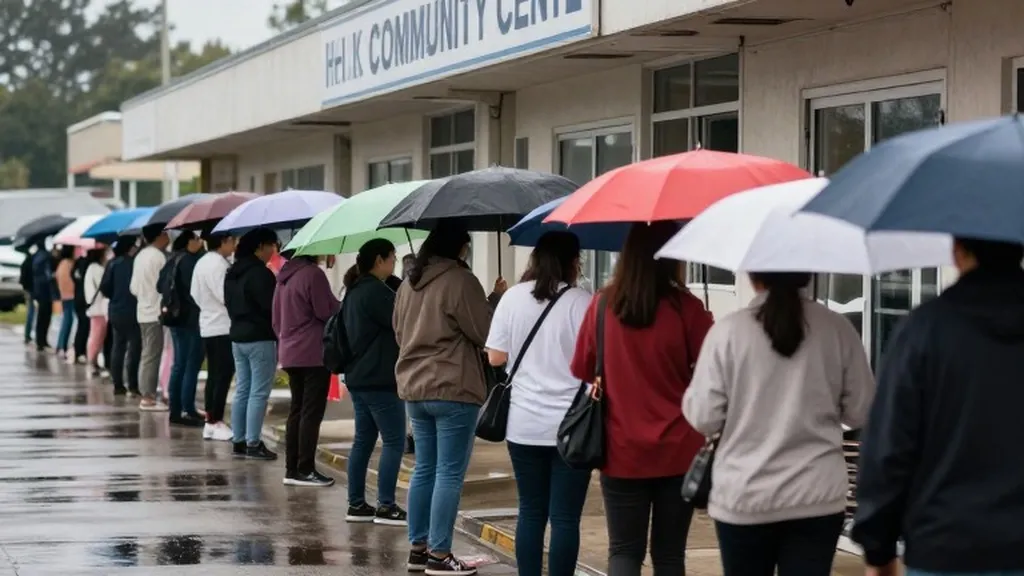
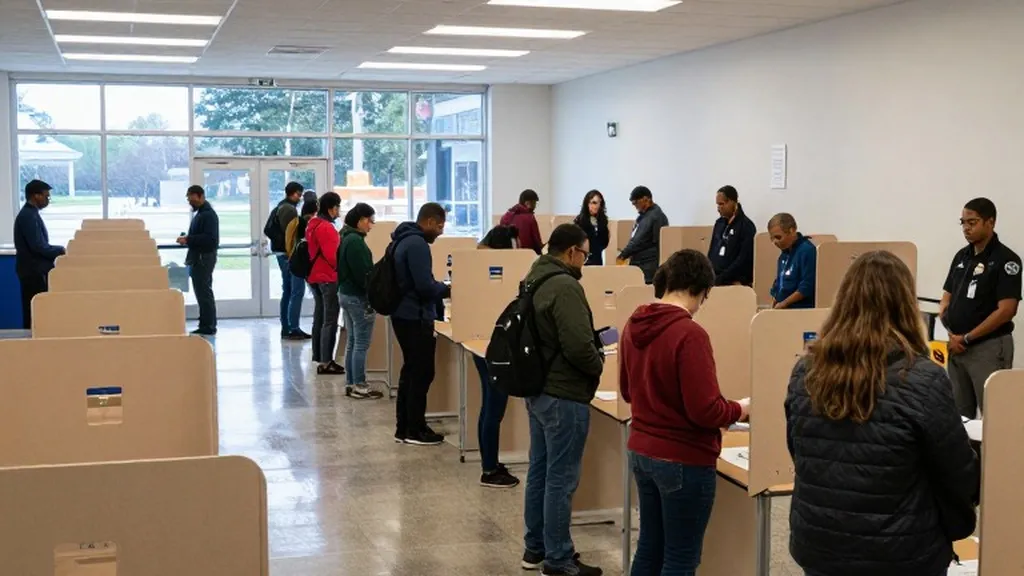
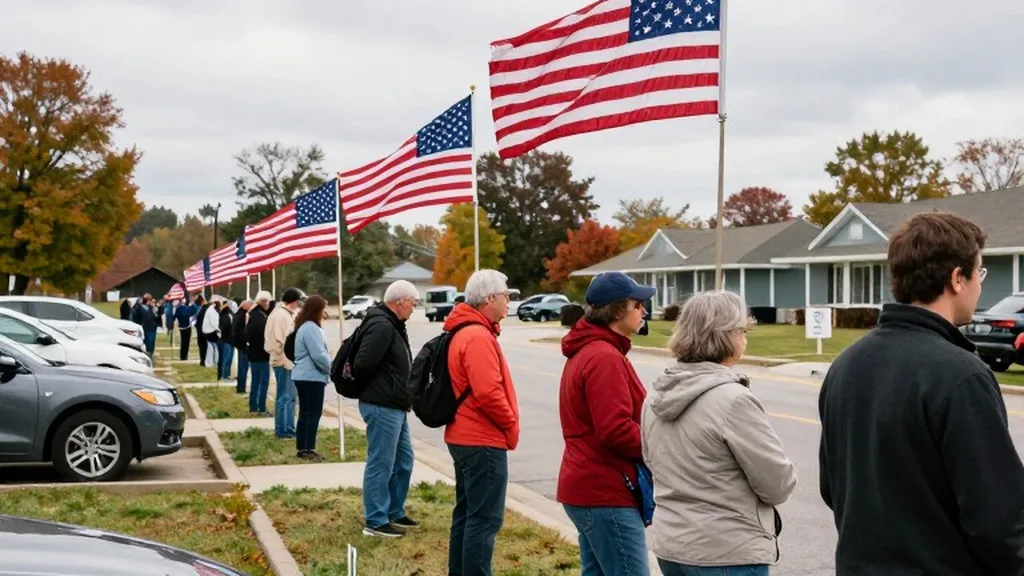
As polls open, voters are heading to their local polling places. The U.S. Postal Service has added hours and staff to ensure mail ballots are counted on time. More than 57 million people had already voted as of Monday, surpassing the early vote from four years ago in many closely watched states. This high level of early participation suggests a strong turnout on Election Day. The final count will depend on how voters in the 46 battleground districts and the new map states cast their ballots.
The race for the House is not just about the total number of seats but also about the composition of the chamber. If Democrats win, House Democratic Leader Hakeem Jeffries would be the first Black speaker and has outlined a 100 day agenda on the cost of living and oversight. If Republicans hold, they will continue their current legislative agenda. The three seat margin makes this a tight race where every vote counts. The outcome will be determined by the performance of candidates in the 46 battleground districts and the new districts in the seven redistricted states.
The election also has implications for the Senate and governor races, but the House race is the most directly tied to the control of the legislative agenda. The Associated Press notes that one or two seats could tip either chamber. This means that the House race is a coin flip in many ways. The new maps in seven states and the 46 battleground districts are the key factors that will determine the winner. As the day progresses, the focus will remain on these specific areas to see which party gains the edge.