Midterm 2026: The High Stakes of Senate and Governor Races
As polls open, voters in 35 Senate races and 36 governorships weigh in on the direction of the nation during the final stretch of Trump's second term.
By Alina Carter ·
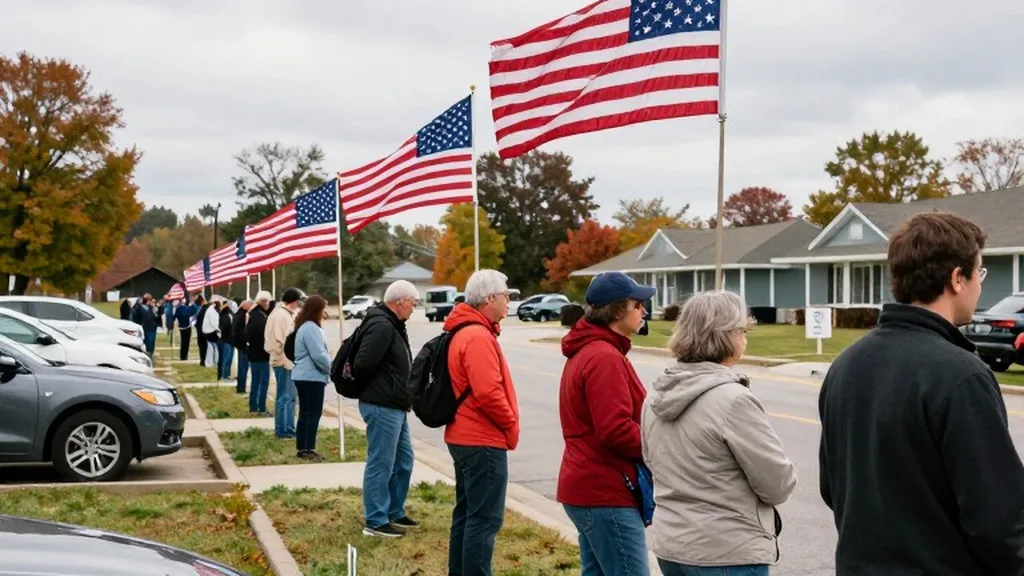
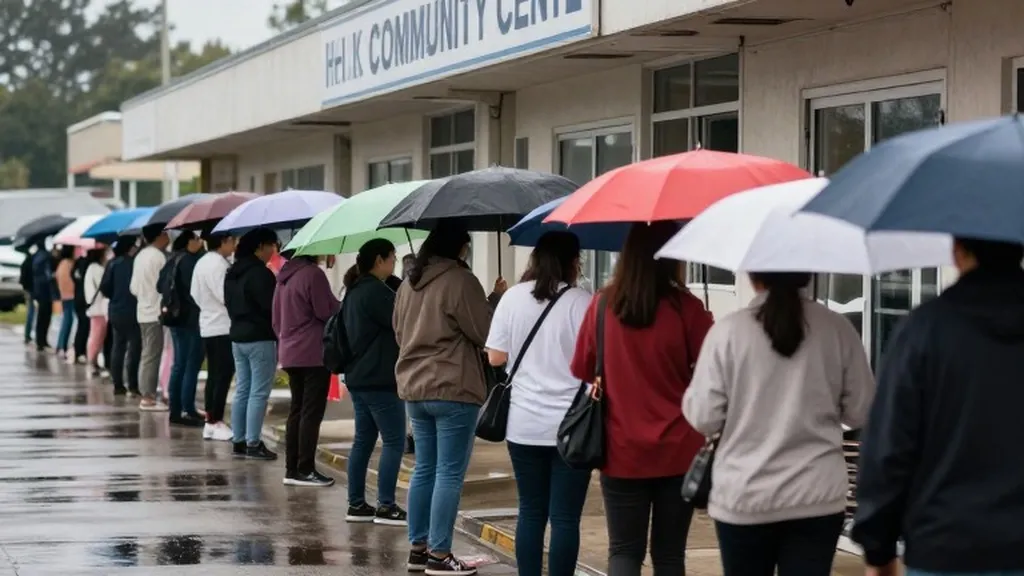
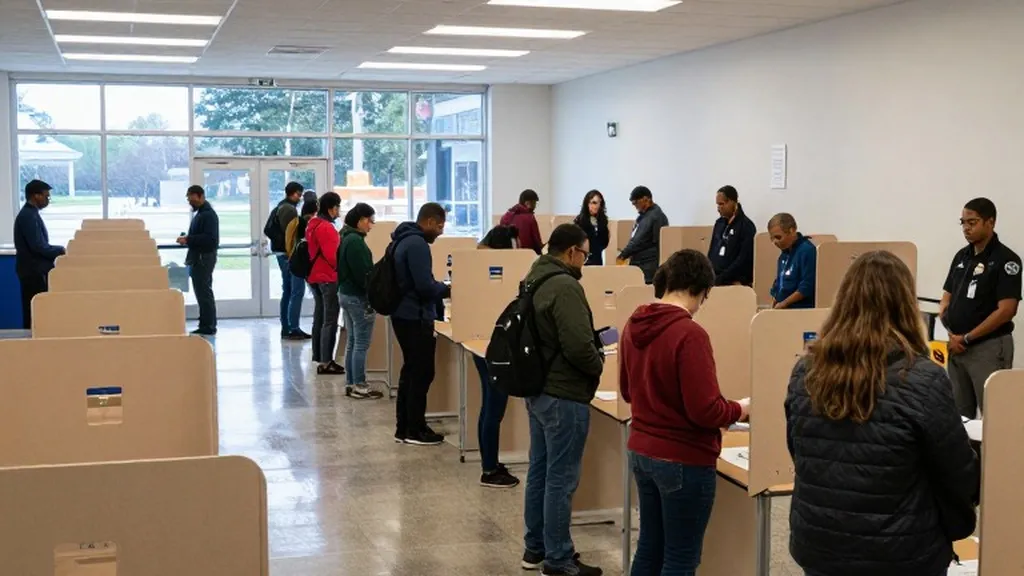
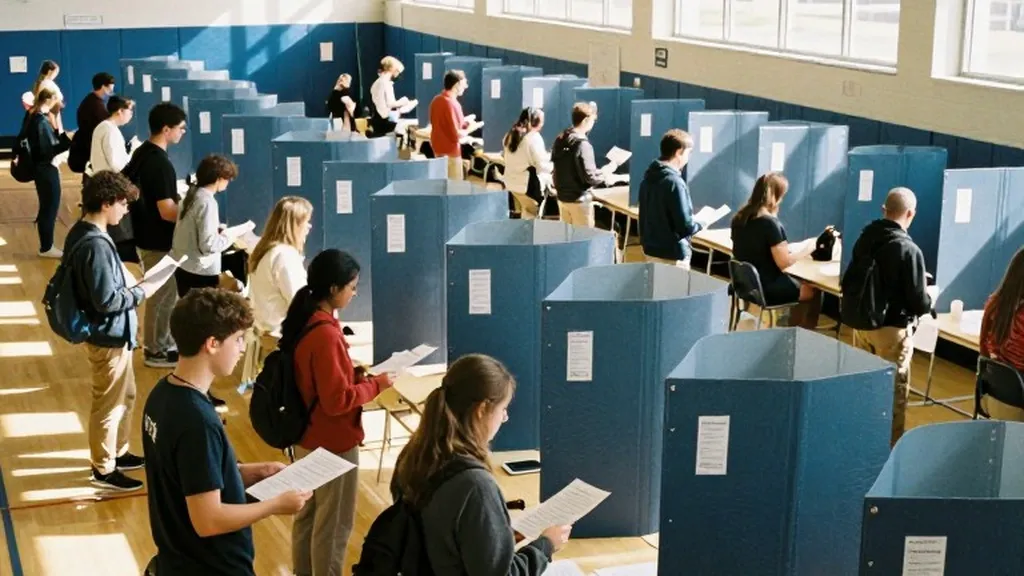
Election Day has arrived with polls open across the country, setting the stage for a decisive midterm contest that will shape the final two years of President Donald Trump's second term. This election determines who controls Congress, with all 435 House seats and 35 Senate seats on the ballot. The outcome also impacts the balance of power in statehouses, as 36 governorships are up for grabs. With no results yet in, the focus is on the intense competition in key battleground states where the margin of victory could hinge on narrow voting margins.
The Senate race is particularly tight, with Democrats needing a net gain of four seats to secure a majority, while Republicans can afford to lose only two. Ballotpedia identifies thirteen Senate races as battlegrounds, including contests in Alaska, Florida, Georgia, Iowa, Kansas, Maine, Michigan, Montana, Nebraska, New Hampshire, North Carolina, Ohio, and Texas. In these states, the 2024 presidential margins varied widely, from a 20.3 point Republican advantage in Nebraska to a 6.9 point Democratic edge in Maine. The Associated Press notes that several of these races feature high-profile candidates, such as former Governor Roy Cooper challenging Michael Whatley in North Carolina and former Representative Mike Collins facing Senator Jon Ossoff in Georgia.
Governor races offer another critical test of national mood, with 36 states electing their chief executives. Republicans currently hold 26 governorships, while Democrats hold 24. Democrats are aiming to secure a majority for the first time since 2010, a goal that requires a net gain of two governorships. Key contests include Georgia, where Republican health care executive Rick Jackson faces Democratic former Atlanta Mayor Keisha Lance Bottoms, and Nevada, where incumbent Governor Joe Lombardo battles Democratic Attorney General Aaron Ford. The AP describes Texas, Florida, and Iowa as competitive governor races, highlighting the broad geographic spread of the fight.
Voters are weighing in on a mix of economic concerns and national direction. 35 percent of U.S. Adults approve of Trump's job performance, while about seven in ten believe the country is heading in the wrong direction. High prices and an unpopular war with Iran have become central themes, with many voters expressing frustration over the cost of living. James Moore, a librarian in Raleigh, North Carolina, said that he is paying more for taxes, healthcare, and everyday items. Conversely, Mark Barker of Palm Beach Gardens, Florida, expressed support for the president, stating that he has been following Trump closely and believes he is doing an awesome job.
The administration has been actively involved in the election process, with Trump holding dozens of rallies, including a final stop in Salina, Kansas, where he urged voters to pretend he was on the ballot. Despite his high profile, many Republican candidates have kept their distance, a strategy that reflects the complex dynamics of the current political landscape. The AP notes that Republicans were bracing for potential losses in the House, while Democrats remained cautiously optimistic about their chances to flip control of one or both chambers. This shift in sentiment underscores the high stakes involved in the midterm elections.
Legal and administrative issues have also played a role in the lead-up to Election Day. A federal judge temporarily barred the Trump administration from implementing a plan to prevent noncitizen voting, a move that critics argued could disenfranchise eligible voters. Additionally, a judge ordered the administration to stop demanding that California election officials segregate ballots from suspected noncitizens. These legal battles highlight the ongoing tensions between federal authority and state control over elections, a theme that has resonated with voters in swing states.
The financial aspect of the campaign has been unprecedented, with the 2026 elections likely to be the most expensive in history. Republican committees outraised and outspent their Democratic counterparts, aided by Trump-affiliated groups and significant contributions from Elon Musk. However, at the candidate level, Democrats managed to outraise their opponents. 88.1 percent of Republican general election TV ad spending targeted states and districts that Trump won in 2024, including over $850 million in areas where his margin was 10 points or more. This strategic allocation of resources reflects the focus on defending existing Republican strongholds.
The early vote has been robust, with more than 57 million people having already cast their ballots as of Monday, surpassing the early vote totals from four years ago in many closely watched states. This high level of participation suggests a deeply engaged electorate, particularly in battleground states where the outcome could be decided by small margins. The U.S. Postal Service has added hours, staff, and special lines to ensure that mail ballots are counted on time, a logistical effort that underscores the importance of timely results.
As polls close, the attention turns to the implications of the results for the broader political landscape. A Democratic victory in even one chamber could lead to investigations and potential impeachment proceedings, with House Democratic Leader Hakeem Jeffries poised to become the first Black speaker of the House if his party gains control. Republicans, on the other hand, are focused on holding the Senate to maintain their legislative agenda. The outcome of these races will also influence the 2028 presidential race, potentially boosting the profiles of candidates like Gavin Newsom, JB Pritzker, and Pete Buttigieg if Democrats perform well.
In the governor races, the dynamics are equally complex. In Ohio, Republican Vivek Ramaswamy faces Democrat Amy Acton, a campaign that has been marked by controversy over an ad featuring Acton's estranged mother. In Kansas, a traditionally Republican state, the race has become central to the fight for Senate control, reflecting the shifting political map. The AP notes that the new congressional maps in states like California, Florida, and Texas will play a significant role in determining the final outcome, as these districts may vote differently than previously expected.