Courts and Mail: The Legal Battleground Shaping Today's Midterm Vote
Federal judges intervened in Alaska and California to halt new voting rules, while the Postal Service ramps up operations to ensure timely ballot counting.
By Petra Murphy ·
On this Election Day, the legal framework surrounding the vote is as contested as the races themselves. Federal courts issued significant rulings on Monday that temporarily altered how some states would handle ballots and voter eligibility. These decisions have placed the administration's efforts to police the rolls in direct conflict with state election officials, creating a complex backdrop for the midterm elections.
In one major development, a federal judge temporarily barred the Trump administration from carrying out a plan designed to prevent noncitizen voting. The administration has long argued that noncitizens vote in large numbers, a claim it has used to justify stricter federal oversight. Critics, however, contend that the plan risks disenfranchising eligible voters who may be mistakenly placed on lists of suspected noncitizens. They argue the measure infringes on the traditional authority states hold over the administration of their own elections.
The legal battles extended to California, where a judge ordered the administration to stop demanding that election officials segregate ballots cast by people on its lists of suspected noncitizens. This order halted a procedure that would have set these specific ballots aside for further review before being counted. For many voters, this means their ballots will be processed through standard channels without an immediate federal hold, a move that state officials say ensures a smoother count. The administration views these lists as a necessary tool to maintain the integrity of the roll, while Democrats fear the process could lead to intimidation and confusion at the polls.
The administration's legal strategy has included lawsuits in both Alaska and California. In Alaska, the Trump administration filed a lawsuit related to the certification of the Senate result, adding another layer of legal scrutiny to a race that is considered competitive. The Justice Department has also threatened to prosecute local election officials, a move that Democrats say could chill the work of those responsible for administering the vote. Republicans, for their part, argue that these measures are essential to prevent fraud and ensure that the will of the people is accurately reflected in the final tallies.
While the legal disputes play out in courtrooms, the U.S. Postal Service is implementing practical measures to ensure that mail ballots are counted on time. The agency has added extra hours, increased staff levels, and opened special lines to handle the surge in ballot volume. This is a critical step for states that rely heavily on mail-in voting, where delays in processing can sometimes lead to ballots being discarded. The Postal Service's expanded operations aim to provide a clear and reliable pathway for ballots to reach their destinations before deadlines.
The mood in the electorate is tense, with many voters citing high prices and an unpopular war with Iran as primary concerns. The election is being viewed as a referendum on President Trump's second term. Polls indicate that a significant portion of adults are dissatisfied with the direction of the country, with most blaming the president for economic conditions. This dissatisfaction has driven high levels of early voting, with more than 57 million people having already cast their ballots, surpassing the early vote of four years ago in many closely watched states.
Both parties are bracing for a close contest. Republicans are fighting to hold the Senate, where they can afford to lose only two seats to maintain their majority. Democrats, meanwhile, need a net gain of four seats to take control. In the House, the margin is even tighter, with Democrats needing to gain three districts to claim a majority. The Associated Press notes that one or two seats could tip the balance in either chamber, making every vote in the battleground states crucial. The outcome will determine who controls the legislative agenda for the remainder of the president's term.
The financial aspect of the election has also been a point of focus. The 2026 elections are likely to be the most expensive in history, with Republican committees outspending their Democratic counterparts at the committee level. This spending was fueled by Trump-affiliated groups and support from Elon Musk. However, at the candidate level, Democrats managed to outraise their opponents. The allocation of advertising dollars reveals a strategic focus, with the vast majority of Republican general election TV ad spending directed toward states and districts that Trump won in 2024.
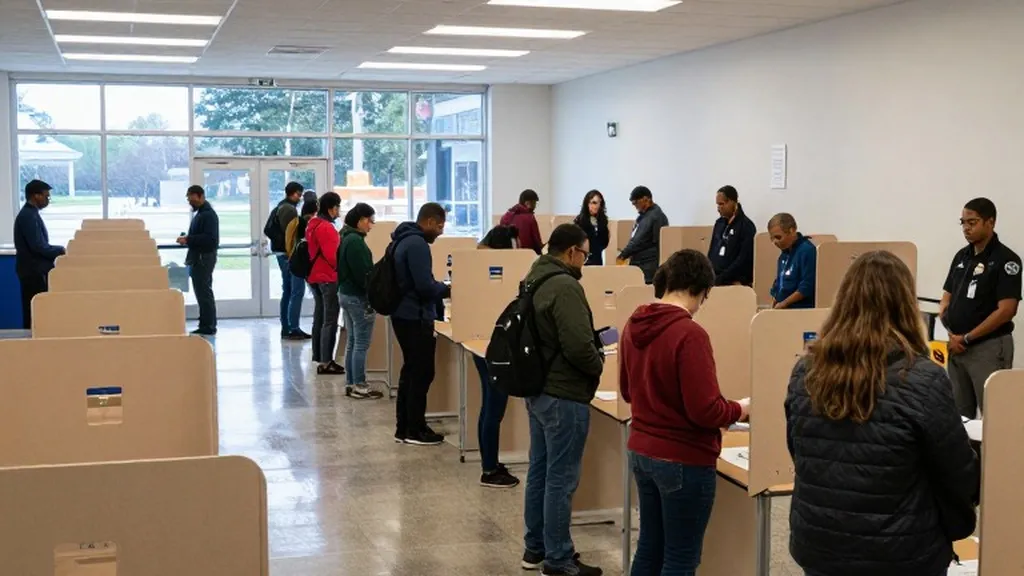
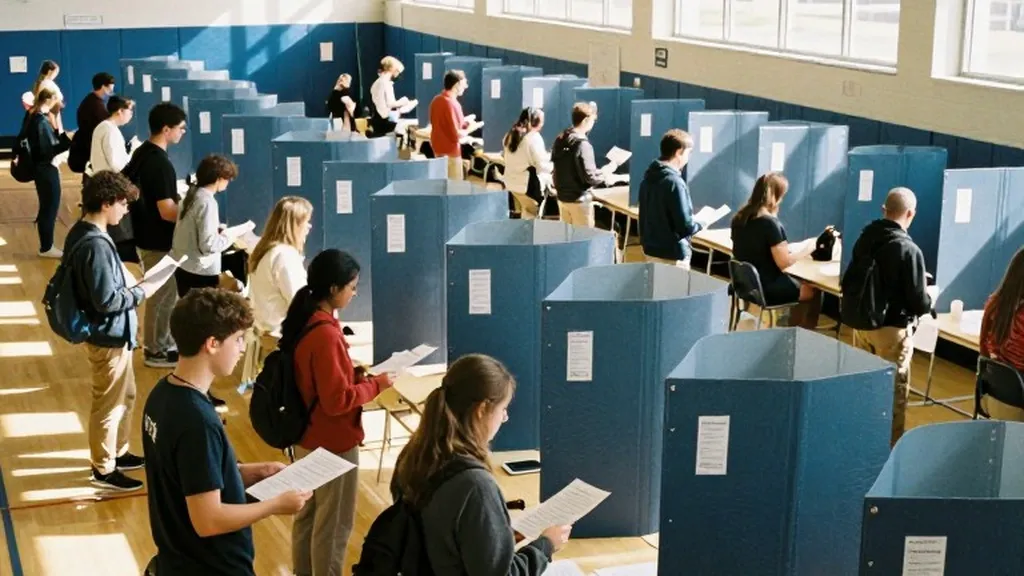
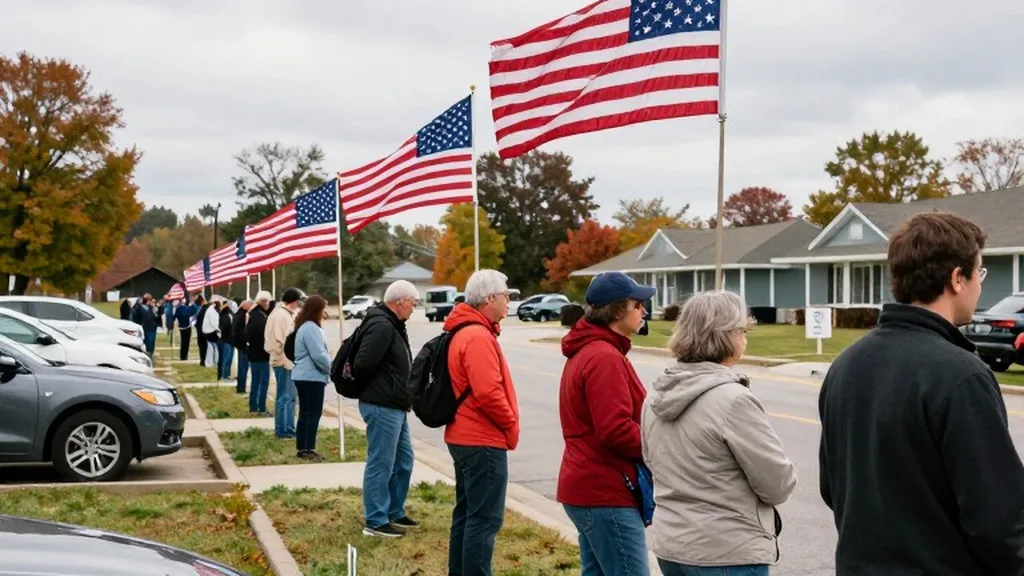
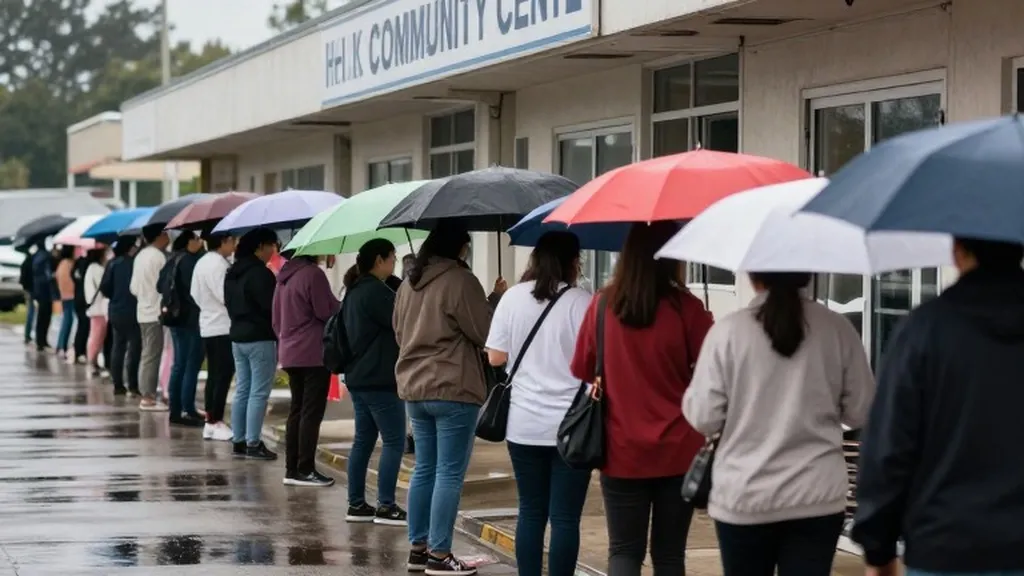
As voters head to the polls today, the interplay between legal rulings and administrative logistics is shaping the experience of the day. The temporary bars on federal interference in some states have eased concerns about ballot segregation, while the expanded Postal Service operations aim to mitigate delays. For the independent voter, these behind-the-scenes battles are a reminder that the act of voting is often the culmination of a complex legal and logistical process. The courts have set the stage, and now the voters will decide the outcome.
The stakes of the midterms extend beyond simple party control. If Democrats win even one chamber, investigations and possible impeachment proceedings become more likely. House Democratic Leader Hakeem Jeffries has outlined a 100-day agenda focused on the cost of living and oversight, signaling a shift in legislative priorities. Republicans have attempted to beat the historical midterm pattern, where a president's party almost always loses seats, by utilizing redistricting. However, new districts in states like Florida may not vote as they were drawn, adding another variable to the equation. As polls open across the country, the focus remains on turnout and the final count.