Midterm Math: How Both Parties Tried to Defy History on November 3
With the House majority within reach of either side, campaigns deployed record spending and new maps to overcome the historical trend of the president's party losing ground.
By Petra Murphy ·
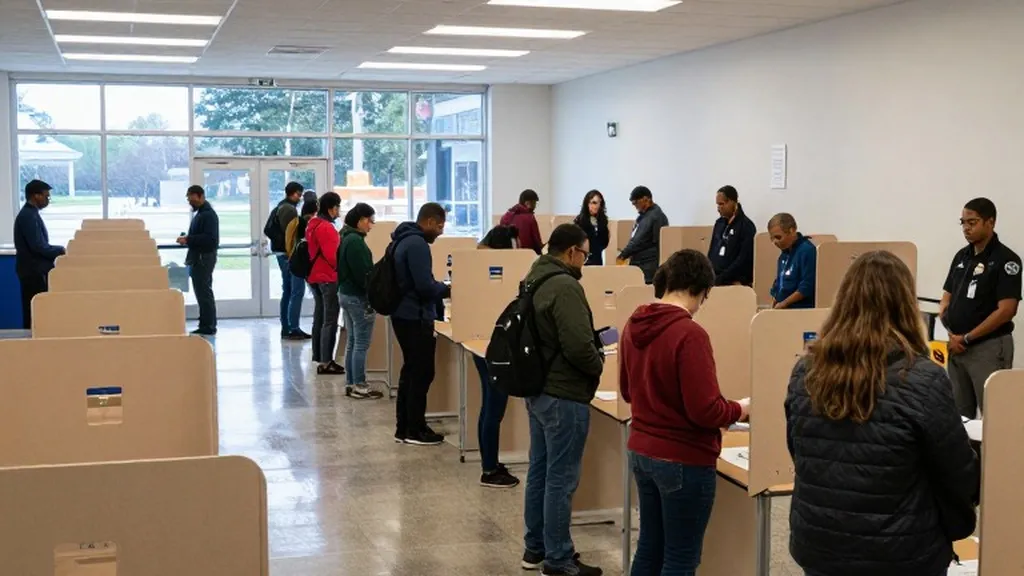
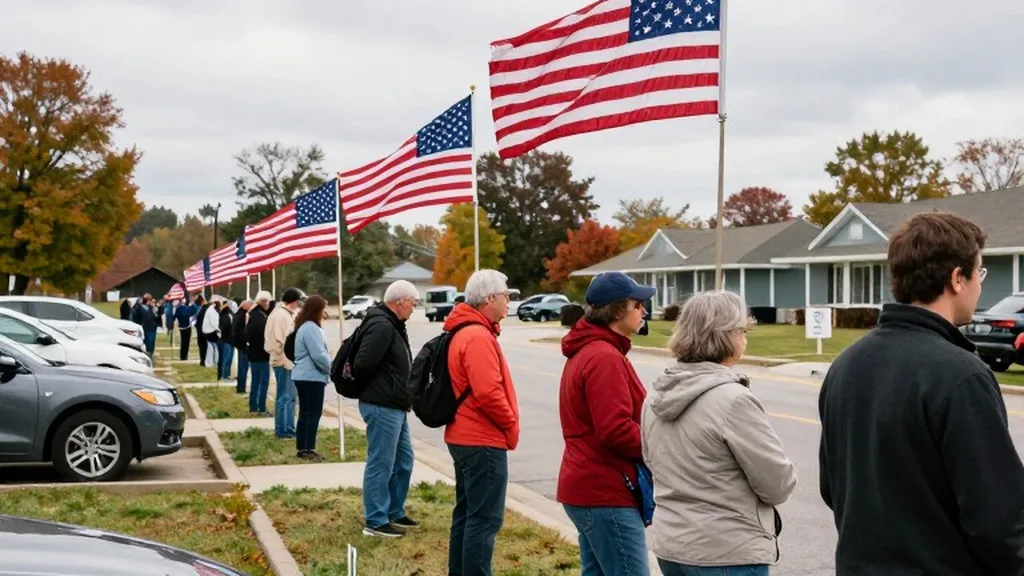
The political cycle in Washington is defined by a persistent pattern that has held true for decades: the president's party almost always loses seats in midterm elections. As Americans cast their ballots on Tuesday, November 3, 2026, the stakes are high for both sides attempting to break this trend. The Associated Press describes the day as a referendum on President Donald Trump's second term, with voters weighing in on high prices and an unpopular war with Iran. The outcome will determine who controls Congress for the president's final two years, a critical factor in legislative power and oversight.
Republicans entered the day bracing for a potential loss in the House while fighting to hold the Senate. The Associated Press notes that one or two seats could tip either chamber, making the margin of victory razor thin. Democrats, meanwhile, were described as cautiously optimistic. To counter the historical headwind, the Republican side relied on a strategy that included redistricting and significant financial outlays. The 2026 elections are likely to be the most expensive in history, with Republican committees outraising and outspending their Democratic counterparts, aided by Trump-affiliated groups and Elon Musk.
The financial landscape of the campaign was stark. An analysis of AdImpact data by the Associated Press found that 88.1% of Republican general election TV ad spending went to states and districts Trump won in 2024. This included more than $850 million spent in areas where he won by 10 points or more. In contrast, at the candidate level, Democrats outraised their opponents. This divergence in strategy reflects the different approaches each party took to beat the midterm pattern, with Republicans focusing on defending the president's base and Democrats targeting competitive districts where the president's popularity is lower.
In the Senate, 35 seats are up for election, including 33 regular elections and two special elections for the remainder of the terms held by Marco Rubio and JD Vance. Republicans currently hold 53 seats, while Democrats hold 45, plus two independents who caucus with Democrats. Democrats need a net gain of four seats to achieve a majority, whereas Republicans can lose only two. Ballotpedia identifies 13 Senate races as battlegrounds, including Alaska, Florida, Georgia, Iowa, Kansas, Maine, Michigan, Montana, Nebraska, New Hampshire, North Carolina, Ohio, and Texas. The race ratings from major polling organizations show a mix of toss-ups and leans, with Maine being a toss-up on all four major ratings.
The House race is equally tight, with all 435 seats on the ballot. Republicans hold 218 seats, Democrats 214, and there is one independent, with some vacancies. Democrats need a net gain of three districts for a majority, while Republicans can lose no more than two. Ballotpedia counts 46 battleground districts, with 25 held by Democrats and 21 by Republicans. A key dynamic in these races is the performance of the president in 2024; 21 Democratic-held districts voted for Trump, while nine Republican-held districts voted for Kamala Harris. This overlap creates a complex landscape where incumbents of both parties face challenges from voters who supported the opposing party's presidential candidate.
Governorships also play a pivotal role in the midterm narrative. There are 36 governorships on the ballot, with Republicans holding 26 offices and Democrats 24. Of the offices on the ballot, each party holds 18. Democrats would need a net gain of two governorships to achieve a nationwide majority, a position Republicans have held since 2010. Ballotpedia lists nine governor races as battlegrounds, including Alaska, Arizona, Georgia, Iowa, Kansas, Michigan, Nevada, Ohio, and Wisconsin. In Georgia, Republican health care executive Rick Jackson faces Democratic former Atlanta Mayor Keisha Lance Bottoms. In Nevada, Republican Gov. Joe Lombardo challenges Democratic Attorney General Aaron Ford.
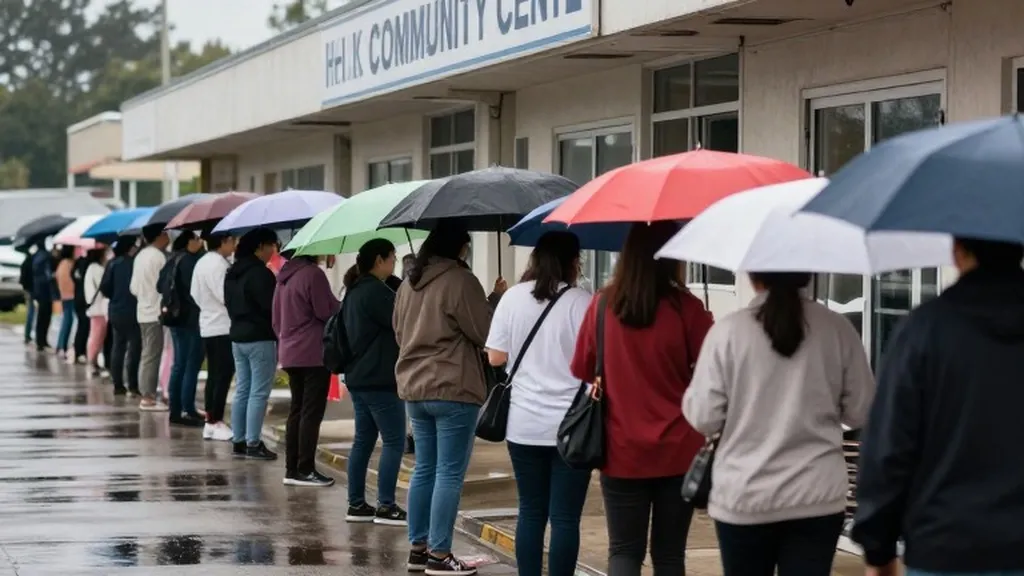
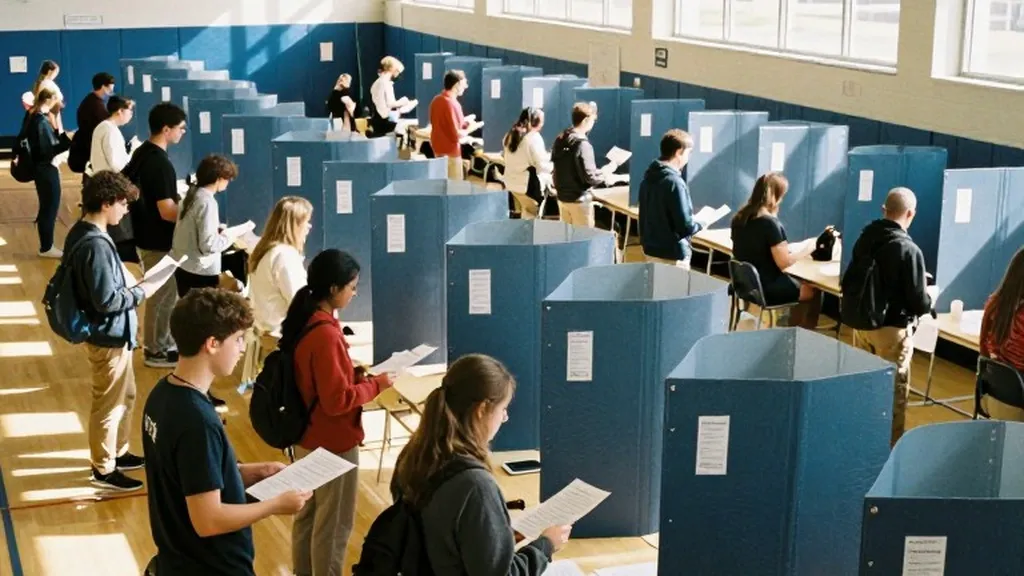
The mood among voters is characterized by economic anxiety and political division. The Associated Press reports that 35% of U.S. adults approve of Trump's job performance, while 25% approve of his handling of the economy. About seven in 10 say the country is heading in the wrong direction. More than 57 million people had already voted as of Monday, surpassing the early vote of four years ago in many closely watched states. This high level of early participation suggests a strong sense of urgency among the electorate, driven by concerns over the cost of living and the direction of the nation under the current administration.
Both parties have attempted to mobilize their base through rallies and targeted messaging. President Trump held dozens of rallies, ending his schedule on Sunday in Salina, Kansas, where he said, "I really want you to pretend I'm on the ballot." His schedule also included stops in Mississippi, South Carolina, and Texas. Many Republican candidates kept their distance from the president, a tactic aimed at insulating their local races from national partisan dynamics. Democrats, led by figures like House Democratic Leader Hakeem Jeffries, have outlined agendas focused on the cost of living and oversight if they gain control of the House.
The administration's actions regarding election administration have also influenced the day's proceedings. A federal judge temporarily barred the Trump administration from carrying out a plan to prevent noncitizen voting, a move that critics say risks disenfranchising eligible voters. The administration also sued in Alaska and California, leading to legal battles over ballot certification and the segregation of ballots cast by suspected noncitizens. These legal interventions have raised concerns about interference and intimidation, with the Justice Department threatening to prosecute local election officials. The U.S. Postal Service added hours, staff, and special lines to ensure mail ballots are counted on time, a critical step given the high volume of mail-in votes in several states.