57 Million Votes Cast Before Election Day as Turnout Bets Clash
With over 57 million early ballots counted, both parties rely on different strategies to secure the final margin needed for congressional control.
By Tunde Bailey ·
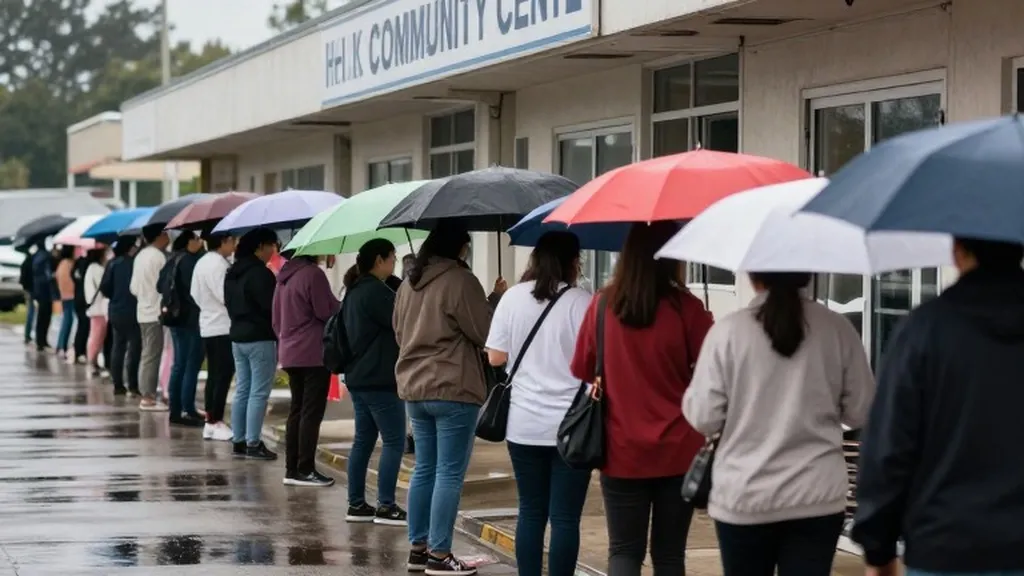
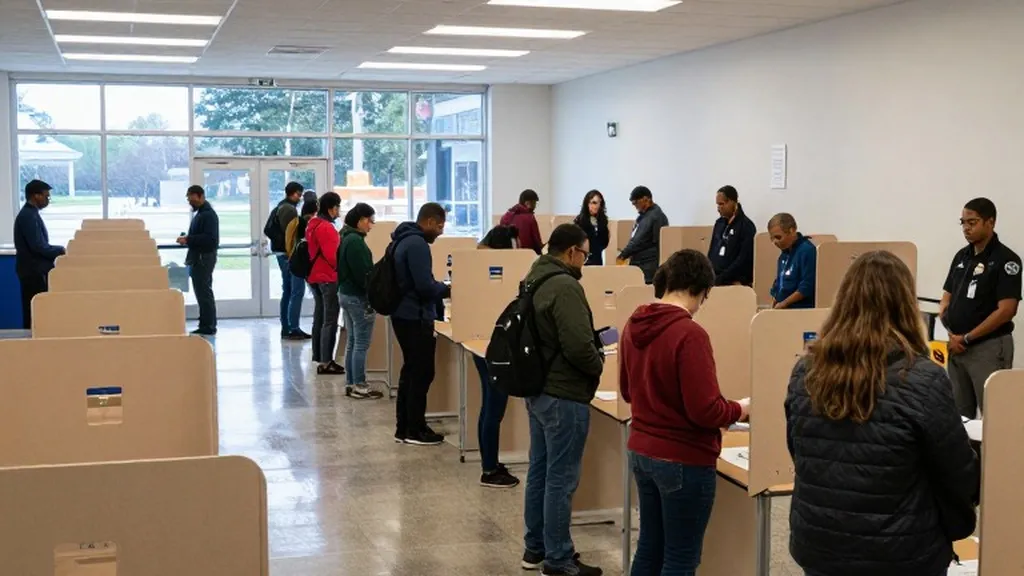
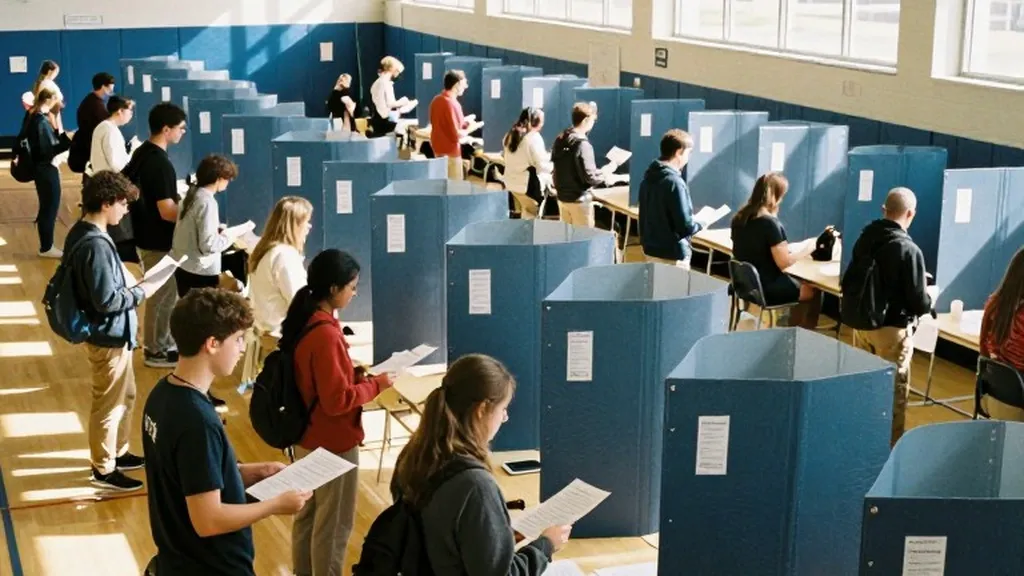
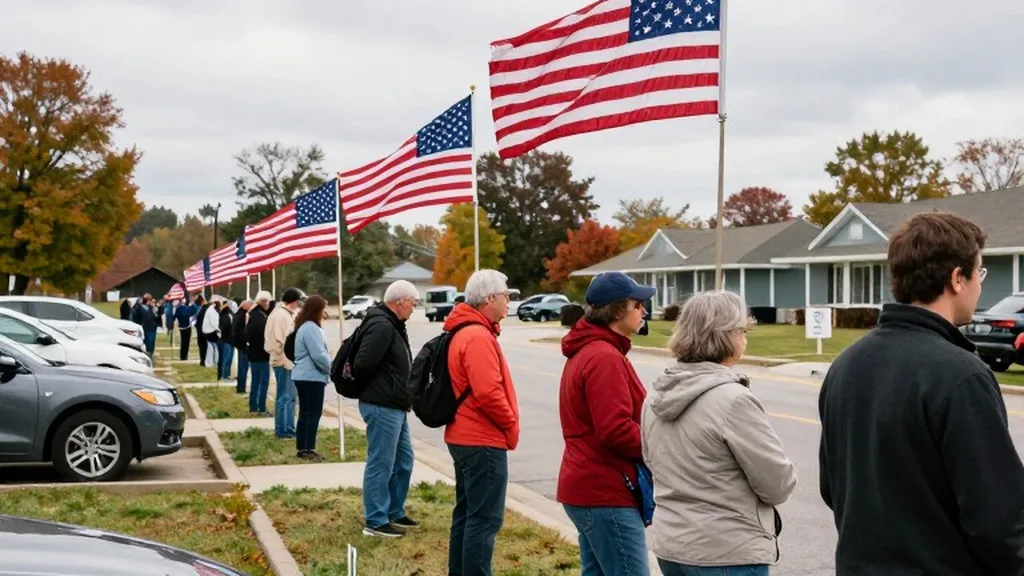
The United States is in the midst of its midterm election on Tuesday, November 3, 2026, a contest that will determine which party controls Congress for the final two years of President Donald Trump's second term. The Associated Press describes the day as a referendum on the current administration, with voters grappling with high prices and an unpopular war with Iran. As polls open across the country, the focus has shifted from campaign promises to the mechanics of turnout, with both parties betting on different voter behaviors to secure a majority.
Early voting figures indicate a robust participation rate that has already surpassed the early vote of four years ago in many closely watched states. More than 57 million people had cast their ballots as of Monday, according to data. This high volume of early voting has created a complex landscape for the final day, where the remaining voters must tip the balance in key districts. The sheer number of ballots cast early suggests that the final margin in several races may hinge on the intensity of the ground game in the final hours.
Republicans are bracing for the possibility of losing the House while fighting to hold the Senate, a scenario that many strategists view as the most likely outcome given the partisan map. The Associated Press notes that one or two seats could tip the balance in either chamber. In response, the Republican National Committee has emphasized the necessity of mobilizing its base. RNC Chairman Joe Gruters stated that everything depends on turnout, asserting that if the party can turn out its voters, they will win. This message reflects a strategy focused on high engagement from the core Republican electorate to offset any potential losses among swing voters.
Conversely, Democrats have adopted a stance of cautious optimism, believing that a wave of dissatisfaction with the current administration could drive sufficient turnout to claim at least one chamber. DCCC Chair Rep. Suzan DelBene highlighted the emotional state of the electorate, saying the American people are angry and want change. This argument relies on the idea that dissatisfaction with high prices and economic conditions will motivate voters who may not have participated in previous midterms. The Democratic strategy involves turning out younger voters and those in suburban districts where the margin of victory is expected to be narrow.
The ground game has been a central focus for both parties, with significant resources allocated to door knocking and phone banking in the final weeks of the campaign. In states like Georgia, North Carolina, and Michigan, the difference between a win and a loss is expected to be measured in a small number of votes. The Associated Press points out that 21 Democratic-held districts voted for Trump in 2024, while nine Republican-held districts voted for Kamala Harris, indicating a volatile electorate in these areas. Campaigns have worked to activate their base in these battlegrounds, knowing that the final day of voting will be crucial for consolidating support.
President Trump has been active in supporting Republican candidates, holding dozens of rallies across the country. His final rally before Election Day took place in Salina, Kansas, where he urged voters to pretend he was on the ballot. This high-profile campaign activity was designed to energize the Republican base and draw attention to key Senate races in the Midwest. However, many Republican candidates have kept a degree of distance from the President, reflecting the complex dynamics of the current political landscape. The President's continued claims about voting fraud, including allegations that noncitizens vote in large numbers, have added another layer of complexity to the election administration process.
The administration's legal challenges to the election process have drawn attention from both parties and the courts. A federal judge temporarily barred the Trump administration from carrying out a plan it said would prevent noncitizen voting, a move that critics argue risks disenfranchising eligible voters. Additionally, a judge ordered the administration to stop demanding that California election officials segregate ballots cast by people on its lists of suspected noncitizens. These legal battles have raised concerns among Democrats about potential interference and intimidation, while Republicans argue that the measures are necessary to ensure the integrity of the vote. The U.S. Postal Service has added hours and staff to ensure that mail ballots are counted on time, addressing logistical concerns in states that rely heavily on mail-in voting.
The financial aspects of the election have also been significant, with the 2026 elections likely to be the most expensive in history. Republican committees have outraised and outspent their Democratic counterparts, aided by Trump-affiliated groups and donations from Elon Musk. However, at the candidate level, Democrats have managed to outraise their opponents. The Associated Press analyzed AdImpact data and found that 88.1% of Republican general election TV ad spending went to states and districts that Trump won in 2024. This spending pattern suggests a strategy focused on defending strongholds, while Democrats have concentrated their resources on competitive districts where every vote counts.
As voters head to the polls today, the stakes extend beyond just congressional control. If Democrats win even one chamber, investigations and possible impeachment proceedings become likely. House Democratic Leader Hakeem Jeffries would become the first Black speaker if his party takes the House, and he has outlined a 100-day agenda focused on the cost of living and oversight. A strong Democratic night would also boost potential 2028 candidates such as Gavin Newsom, JB Pritzker, and Pete Buttigieg. Republicans, on the other hand, are trying to break the historical pattern of the president's party losing seats in midterms, a feat that has become increasingly difficult in recent decades.