Democrats Claim 218 Seats as House Split Narrows to Three Seats
The 2026 midterm elections resulted in a 218 to 214 Democratic majority in the House, driven by victories in 46 battleground districts and new maps in seven states.
By Alina Carter ·
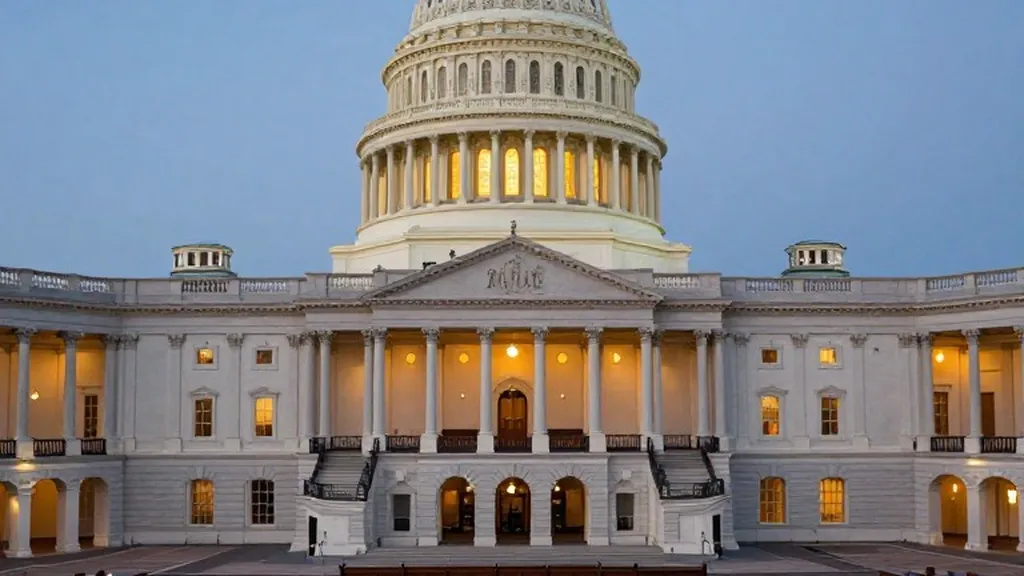
The 2026 midterm elections have concluded with a decisive shift in the balance of power within the U.S. House of Representatives. Following the tallying of votes in all 435 districts, Democrats have secured 218 seats, while Republicans hold 214. This three-seat margin establishes a narrow Democratic majority, a result that reflects the complex interplay of national trends and local dynamics across the country. The outcome confirms a significant change from the previous congressional composition, setting the stage for a tightly contested legislative agenda in the coming years.
The narrow margin in the House underscores the competitive nature of this year's cycle, where the outcome was determined by performance in 46 battleground districts. In these closely contested areas, the difference between victory and defeat was often a matter of a small percentage of the vote. These districts served as the primary engine for the Democratic gains, as candidates in these regions capitalized on shifting voter sentiment and local issues. The intensity of the competition in these specific areas highlights the fragility of the new majority and the importance of every vote cast in these pivotal zones.
A critical factor in the redistricting landscape for the 2026 elections was the implementation of new maps in seven states. These updated district boundaries, resulting from recent census data and legislative actions, altered the political geography of the House. In several of these states, the new maps created more competitive races by drawing lines that balanced partisan demographics more evenly than in previous cycles. This redistricting process was a central point of debate during the campaign, with both parties arguing over the fairness and implications of the new district shapes for their respective candidates.
Democratic Party leaders have framed the 218 to 214 split as a mandate for change and accountability. Hakeem Jeffries, the Democratic House leader from New York, indicated that the party is prepared to use its majority to advance investigations and hold the executive branch to account. Jeffries stated that the days of not fighting back are over, signaling a more aggressive posture in the upcoming Congress. He emphasized that the victory was a reflection of voters' desire for Congress to provide stronger checks and balances on the presidency, a sentiment shared by many in the party's leadership ranks.
Republican leaders, meanwhile, have focused on the narrowness of the Democratic margin as evidence that the majority is not a sweeping mandate. They argue that the three-seat difference indicates a closely divided nation where the will of the people is not overwhelmingly in favor of one party's agenda. Party strategists have pointed to the number of seats lost in traditionally safe districts as a sign that the base of the opposing party remains engaged but not yet fully committed to a long-term shift. This perspective is expected to shape the Republican strategy for the next two years, focusing on coalition building and opposition to specific legislative priorities.
The results also highlight the impact of local candidates in the 46 battleground districts. In many of these areas, the winner was determined by issues of affordability, education, and local economic development rather than purely national partisan alignment. This trend suggests that while national politics set the backdrop, local concerns remain the primary driver of voter behavior in competitive races. The success of candidates who focused on these granular issues demonstrates that the path to victory in the House often requires a deep connection to the specific needs of the district's constituents.
The new maps in the seven affected states played a pivotal role in determining the final seat count. By adjusting district boundaries, these states created opportunities for challengers to unseat incumbents and for new candidates to enter the race with a viable path to victory. The redistricting process was closely scrutinized by legal experts and political analysts, who noted that the new lines reduced the number of heavily partisan districts in favor of more competitive ones. This shift in the political landscape is expected to continue to influence House elections in the near future.
With the 218 to 214 split now official, the House of Representatives is poised for a period of intense legislative maneuvering. The narrow majority means that Democrats will need to work closely with independent members of Congress to pass significant legislation. This dynamic is likely to lead to a more collaborative approach on certain issues, while also requiring Democrats to manage internal party disagreements to maintain their slim lead. The coming months will test the party's ability to unify behind a common agenda while navigating the challenges of a divided chamber.
The final results of the 2026 midterm elections mark a significant turning point in American politics. The three-seat margin in the House, combined with the impact of new maps in seven states, creates a legislative environment defined by precision and strategy. As the new Congress prepares to convene, the focus will be on how the Democratic majority navigates its responsibilities and how the Republican minority leverages its position to shape the national debate. The outcome of these elections will have lasting implications for the balance of power in Washington and the direction of federal policy.
The election results were confirmed by the Ballotpedia database, which tracks federal, state, and local election outcomes. The data reflects the final certified results from all 435 House districts, providing a clear picture of the partisan breakdown. As lawmakers prepare for the start of the new session, the 218 to 214 split serves as a reminder of the competitive nature of modern American politics and the importance of every district in the overall balance of power.