Native Women Sweep Historic Victories Across Federal and Tribal Offices
Three Native American women have broken major barriers in this week's elections, marking a significant shift in political leadership.
By Tunde Bailey ·
Election Day on Tuesday, November 3, 2026, produced a historic wave of victories for Native American women across the United States. These results represent a profound shift in political representation for Indigenous communities, with candidates winning key positions in the U.S. Senate, state governorships, and tribal leadership. The outcomes highlight a growing trend of Native women securing formal political power, a development that advocates say has been decades in the making.
In New Mexico, Deb Haaland has been elected as the first Native American woman to serve as a state governor. A citizen of the Laguna Pueblo, Haaland will join the New Mexico statehouse as a figure who has already broken several other barriers in her career. She was one of the first two Native women elected to Congress in 2018 and later became the first Native American to lead the U.S. Interior Department. Her victory in her home state is seen as a culmination of her long-standing political career.
Haaland, who is affectionately known as Auntie Deb in parts of Indian Country, reflected on the support she received from Native voters and other women in politics. She expressed happiness that Native Americans are able to have a visible presence in high office. She noted that this representation matters deeply to people who feel represented by leaders from their own communities. Her administration will focus on making life more affordable for struggling New Mexicans and addressing persistently poor education outcomes in the state.
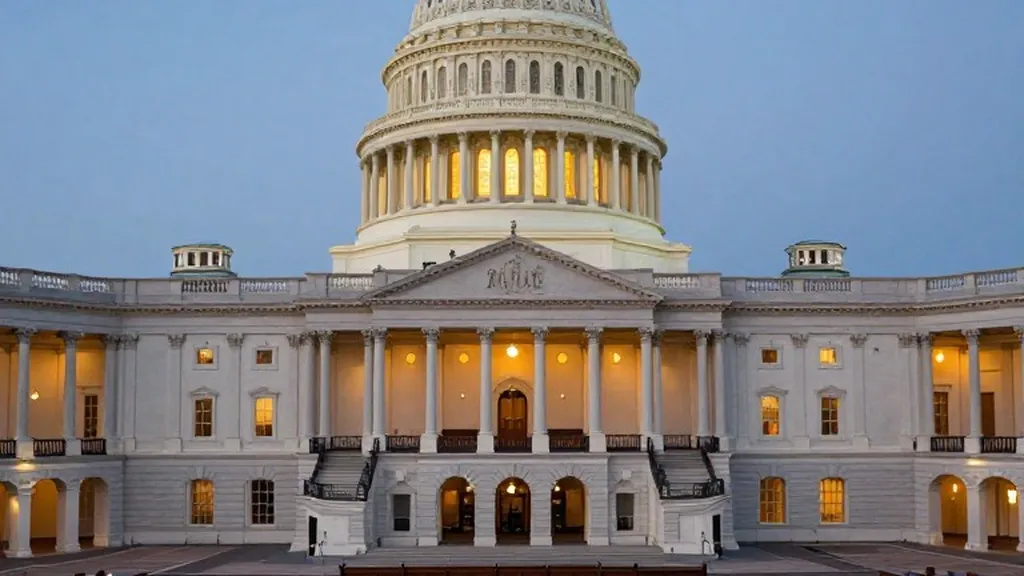
In Minnesota, Democrat Peggy Flanagan has won the U.S. Senate seat, becoming the first Native American woman elected to the chamber. A citizen of the White Earth Nation and the state's outgoing lieutenant governor, Flanagan credited her victory to the support of her community. She stated that she could not have run for the Senate without Native women, emphasizing that their support was fundamental to her success. Her win is particularly notable because only four Native people, all men, have served in the U.S. Senate in its history of more than 230 years.
Flanagan's victory in St. Paul was celebrated as a major milestone for Indigenous representation in the federal government. She will join Oklahoma Republican Sen. Tom Cole, a citizen of the Chickasaw Nation, in the Senate. If Democrat Mary Peltola, a Yup'ik woman, ultimately wins the still unsettled Senate race in Alaska, it will mark the first time that three Native people have served in the chamber simultaneously. This potential alignment underscores the growing influence of Native candidates in national politics.
In the U.S. House of Representatives, several Native candidates also secured victories or reelection. Kansas Democrat Sharice Davids, a Ho-Chunk citizen, and Oklahoma Republican Josh Brecheen, a Choctaw citizen, won reelection to their seats. New York Democrat Claire Valdez, a citizen of Ysleta del Sur Pueblo, and Michigan Democrat Sean McCann, a citizen of the Citizen Potawatomi Nation, became the first Native Americans elected to represent their states in Congress. These results demonstrate a broad-based surge in Native representation across both chambers of Congress.
At the tribal level, Crystalyne Curley was elected the first woman president of the Navajo Nation. Curley, who narrowly defeated attorney Justin Jones according to unofficial results, described the election as a realization of a dream she formed as a child. She recalled a field trip to the Navajo Nation Council where she witnessed a debate between tribal lawmakers, which sparked her political ambition. She said she never imagined as a nine-year-old that she would break such a significant barrier.
Curley, who also served as the first female speaker of the tribal council, told The Associated Press that she faced sexist rhetoric while campaigning and expects to be held to a higher standard. She noted that women in Navajo politics often have to work significantly harder than their male counterparts. After she and her running mate, Chris Deschene, take office in January, they plan to transition the Navajo Nation away from coal development. They also intend to reassert the tribe's leading role in national discussions around federal Indian policy.
The modern, centralized Navajo government has been led by men since its establishment over a century ago. The Navajo Nation has the largest land base of any federally recognized tribe, spanning 27,000 square miles in Arizona, New Mexico, and Utah. Some Navajo people believe traditional teachings prohibit women from holding top government positions, while others argue that women's absence from the presidency contrasts with the matrilineal structure of Diné society. Professor Jennifer Nez Denetdale of the University of New Mexico noted that the language of tradition has been used to both oppose and support women's leadership.
Supporters of Curley, such as Lene Bitsui, expressed relief and happiness at the result. Bitsui supported Curley because she believed she was best positioned to restore order to the tribal government. Bitsui admitted she had felt pessimistic when casting her ballot, thinking her people were not ready for a female president. She described feeling happy to have been wrong, highlighting the changing attitudes within the community. The Seneca Nation of Indians in western New York also elected its first woman president, longtime council member Tina Abrams, on the same day.
Jordan James Harvill, a Cherokee Nation citizen and strategist with the advocacy group Advance Native Political Leadership, described the results as a seismic shift in Indigenous communities. He noted that decades of political organizing are finally bearing fruit as more Native women run for and win office. The wave of victories suggests a sustained effort to increase representation at all levels of government, from local tribal councils to the federal Senate. These outcomes are likely to influence the political agendas of the incoming leaders as they take office in the coming months.