Israeli Election Stalemate: Netanyahu and Eisenkot Face Coalition Math
Final counts show no clear majority, forcing leaders to negotiate with Arab parties or risk a repeat vote.
By Petra Murphy ·
Prime Minister Benjamin Netanyahu and his main rival, Gadi Eisenkot, face a difficult path to power after Tuesday’s election failed to produce a clear winner. Neither candidate’s bloc is expected to secure the 61 seats required for a majority in the 120-member Knesset. The result leaves Israeli voters waiting for weeks of potential political instability.
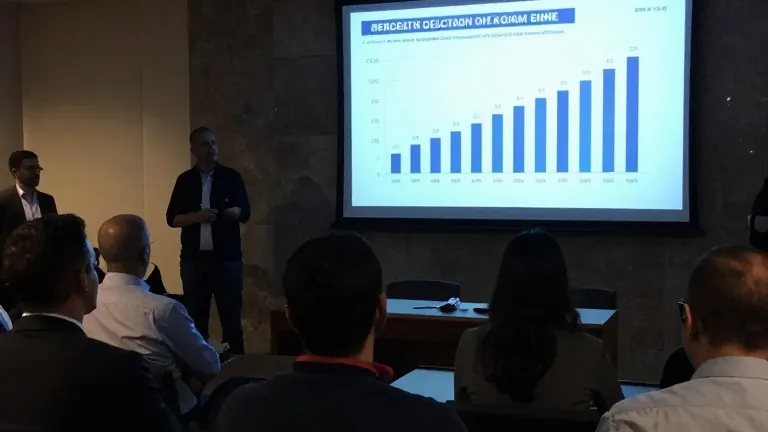
As of Wednesday, with 88% of votes counted, Netanyahu’s Likud party leads with 20.7% of the vote. Eisenkot’s Yashar party follows with 16.2%. Arab-led parties captured 15% of the total. Local media projects that Likud and its allies would hold 53 seats, while Yashar and its allies would secure 48. The Arab-led bloc would hold 19 seats.
Netanyahu has warned against forming a government with Arab parties, a move he called dangerous. His constituents make up 20% of Israel’s population. Despite leading in the vote count, Likud claimed the election was stolen by Arab parties and asked authorities to investigate. The elections committee stated that reports of irregularities were lower than in previous contests. Likud did not provide specific evidence for its claim.
Eisenkot has left the door open to partnering with Arab parties under specific conditions. These conditions include their recognition of Israel as a Jewish state and of Hamas as an extremist group. Some of his likely coalition partners have initially ruled out such an alliance, though they may reconsider to remove Netanyahu from office. A unity government featuring both Netanyahu and Eisenkot remains another debated option.
Elad Naveh, control manager at the Central Elections Committee, said counting of absentee ballots would continue until Thursday evening. An estimated 500,000 military personnel and diplomats cast absentee ballots. These votes are not expected to change the overall result. Nearly 78% of eligible voters turned out, the highest rate since 1999.
President Isaac Herzog is not required to task the leader of the party with the most seats to form a government. He said on Wednesday that the country must avoid another round of elections. Israel held five elections between April 2019 and November 2022 due to similar stalemates. If no majority forms, new elections could be held early next year.
Mansour Abbas, leader of the United Arab List, declared that his party is no longer on the sidelines. The party’s headquarters hosted a joyful celebration overnight. Abbas’s party is the only Arab group to have joined a governing coalition, which it did briefly in 2021. Other Arab leaders expressed relief at the turnout, with Awni Zoabi in Nazareth thanking God for a return to rationality.
The election results reflect voter unease over Netanyahu’s alliance with the far-right. Many Israelis are also angry over military draft exemptions for the ultra-Orthodox Jewish population. Likud’s vote share declined from 23.4% in 2022. National Security Minister Itamar Ben-Gvir, a far-right partner, lost support after taunting Palestinian detainees and making controversial comments about Gaza residents.