Bexar County jail updates intake process to address early inmate deaths
University Health doubled screening stations and launched detox units after a review found many deaths occurred within days of booking.
By Alina Carter ·
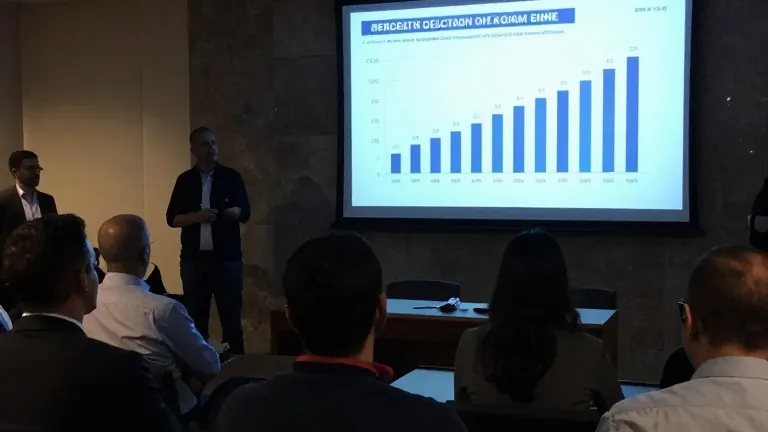
Bexar County commissioners reviewed progress on medical and diversion reforms at the county jail on Tuesday. The changes follow an August vote to improve care after scrutiny over inmate deaths and access to treatment. Officials presented data showing zero in-custody deaths since a new screening process began in September.
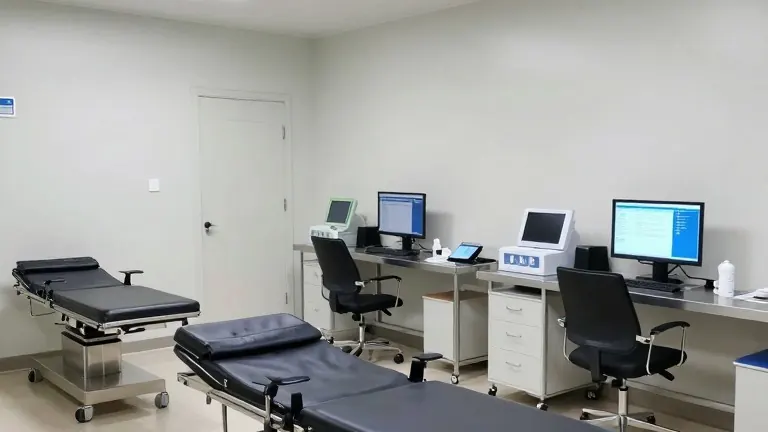
A review of jail deaths since 2020 found that 39 of 91 deaths occurred within seven days of booking. To address this, University Health, which manages jail medical care, redesigned the intake area rather than building the modular facility originally approved. The health system spent $144,000 to double screening stations from four to eight. This change, implemented on Sept. 23, allows nurses to perform initial assessments immediately after arrival, with a comprehensive screening within four to six hours.
University Health also expanded staffing and services. The organization recruited 16 registered nurses, with eight assigned to intake and eight to new detoxification units. These units began operating in August and serve an average of 110 detainees daily, with an average stay of seven days. A dedicated ambulance and emergency medical personnel are now stationed on site 24 hours a day to handle emergencies and expedite hospital transports. Sheriff Javier Salazar stated that the redesigned intake area appears to have eliminated the need for the original $250,000 modular facility, with remaining funds expected to support additional seating.
The county is also expanding diversion efforts outside the jail. Commissioners approved $3.5 million for behavioral health treatment, transportation, and transitional housing. The expanded Bexar Connects program connects eligible individuals with community providers. University Health clinicians conduct mental health assessments, and a magistrate determines if someone facing low-level, nonviolent charges qualifies for voluntary diversion. Participants are then connected with UT Health San Antonio for further assessment and support.
County Public Health Director Andrea Guerrero said the program allows officials to track participant engagement after release. "We’re not just looking at whether someone was diverted and whether or not they were re-arrested," Guerrero said. "We’re really holding our providers accountable to timeliness and access." This is separate from a proposed 15-bed pre-arrest diversion pilot with the Center for Health Care Services, which targets a January launch and a Nov. 5 hiring fair.
Transparency improvements are also underway. The Office of Criminal Justice presented a preliminary public dashboard covering jail populations, deaths, and medical screenings. An initial PDF version is ready for commissioner approval, while a fully interactive website could be built in about six months. Commissioner Justin Rodriguez noted the proposal would likely return to court in the coming weeks. The county is also developing an independent audit to check if the sheriff’s office has met requirements for investigating deaths in custody.
Commissioners raised concerns about delays at the city’s Central Magistrate Office before detainees reach the county jail. This "double magistration" process involves a stop at 401 S. Frio St. before transfer to the county annex. Sheriff Salazar confirmed the process remains unchanged but said he and SAPD Chief Jesse Salame are discussing a pilot to shorten the wait. "We proposed an idea for what we think the pilot would look like, and they’re chewing on that, so to speak," Salazar said. "I’m hoping that during this pilot, we can eliminate that hours-long wait at 401 South Frio."