Brent Hits $117 as Iran Vows to Target US Warships
Oil prices have surged to their highest point since April amid escalating threats from Tehran and a stalled diplomatic process in Istanbul.
By Alina Carter ·
The economic stakes of the conflict have reached a critical threshold as Brent crude prices climbed to approximately $117 per barrel on Friday. This spike marks the highest level since April and reflects growing anxiety over the potential for renewed hostilities. The price jump coincides with a sharp escalation in rhetoric from Tehran, which has formally warned that it is prepared to fire upon American naval vessels if they attempt to reassert dominance in the region.
President Donald Trump addressed the uncertainty at a rally in Florida on Friday. He stated that the US military may launch another operation similar to the previous large-scale bombing campaign known as Epic Fury. This comment follows earlier deliberations within the administration regarding whether to end the fighting through massive strikes or to maintain the current naval blockade and sanctions regime to pressure the Iranian government.
Ali Abdollahi, the chief of general staff for Iran's armed forces, issued a statement on Saturday morning asserting that the US Navy cannot safely re-enter Iranian territorial waters. He argued that Washington's refusal to move aircraft carriers closer to Iranian territory contradicts claims that Iranian military capabilities have been largely destroyed. Abdollahi stated that the US president could only dream of seeing American soldiers return to the Persian Gulf, as Iranian forces are ready to target any vessel in the area.
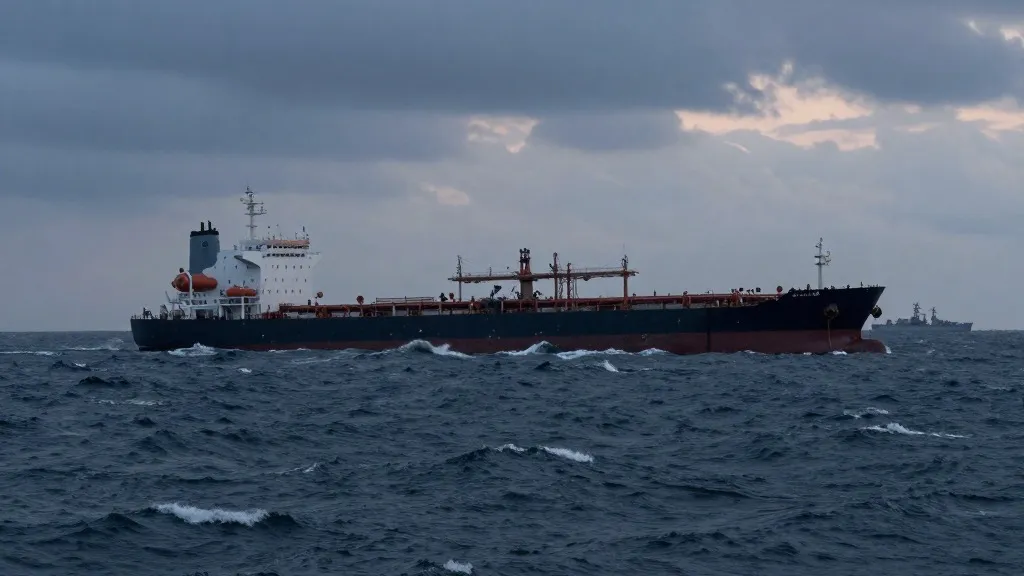
The operational threat is not merely theoretical. The Islamic Revolutionary Guard Corps reported that seven tankers were attacked or hit mines during the overnight period leading into Thursday. On Friday, the corps claimed that two additional supertankers struck mines. This offensive doctrine aims to create a quagmire for the US and Israel in retaliation for the surprise attack that began the war on February 28. The continued disruption of shipping through the Strait of Hormuz remains a primary driver of global energy market volatility.
Diplomatic efforts have shown little sign of progress. Senior diplomats from Turkiye, Saudi Arabia, Pakistan, and Egypt met with counterparts from the UK, France, Germany, and Italy in Istanbul on Friday. Neither the US nor Iran participated in the talks. Hakan Fidan, the Foreign Minister of Turkiye, noted that a new attack would widen the conflict. He observed that no one is currently endorsing such a move, while the European ministers placed blame on both the Houthis and Israeli occupation for the instability.
Other fronts of the conflict remain active. The Houthi group in Yemen struck Riyadh on Saturday, following recent attacks on infrastructure in Dammam and the Shaybah oilfield. In response, Saudi forces have bombed Houthi-held areas in Marib and Taiz. In southern Lebanon, Israeli air strikes hit the area around Nabatieh. Prime Minister Benjamin Netanyahu, who faces an election on October 27, ordered a lockdown of the occupied West Bank after two soldiers were killed in Hebron.
Iranian state-linked media suggest that Tehran has activated a dead hand doctrine. This strategy allegedly allows attacks on US, Israeli, and regional interests to continue from all 31 provinces even if senior leaders are assassinated. The IRGC has also threatened to target seabed internet and communication cables if civilian infrastructure is hit again. US intelligence indicates that Iran has substantially increased efforts to strike American officials in the Middle East.
The next few days will be pivotal as regional powers push for unrestricted passage through the Strait of Hormuz. Iranian analysts suggest that the zero hour for another intense round of conflict is approaching. With diplomatic claims not matching field realities, both sides appear poised to act if the current stalemate continues.