Tel Aviv Markets Retrace Gains as Election Tally Shows No Majority
The shekel weakened and the TA-35 index fell after partial counts indicated neither political bloc secured the 61 seats required to form a government.
By Alina Carter ·
Israeli investors lost two days of financial gains on Wednesday as preliminary vote counts indicated a stalemate in the Knesset. The shekel, which had strengthened against the dollar earlier in the week, reversed its trend and rose to roughly NIS 3.10. This move erased the currency's appreciation from the previous session and signaled renewed uncertainty regarding the country's political direction.
The market reaction followed a sequence of events that began with optimism before the vote. On Monday, the final trading day before the election holiday, the TA-35 index climbed 1.99%, and the TA-125 gained 1.81%. Traders priced in the possibility that high turnout would support the coalition opposing Prime Minister Benjamin Netanyahu. This expectation drove the shekel to its highest level in approximately five weeks on Tuesday, despite the stock exchange being closed for the holiday.
The reversal accelerated when exit polls and subsequent partial counts showed that neither side had secured a clear path to power. Estimates placed Netanyahu's bloc at approximately 55 to 57 seats and the opposing coalition at 47 to 50 seats. With the remaining seats allocated to Arab parties, no single bloc reached the 61 seats necessary for a Knesset majority. These figures suggest a prolonged period of coalition negotiations rather than an immediate transfer of power.
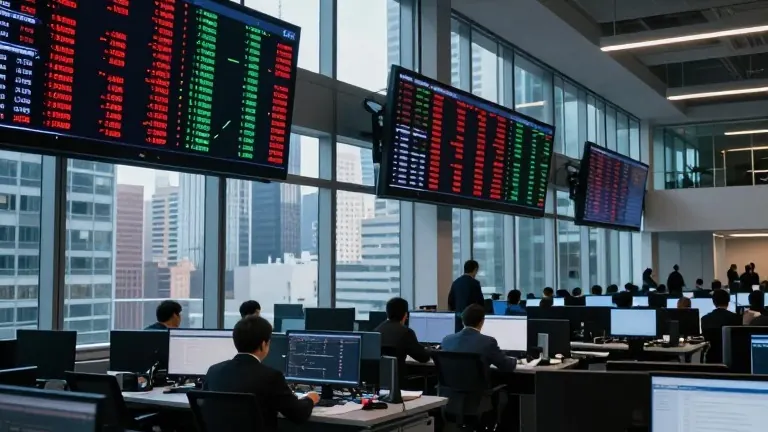
Equity markets reflected the shift in sentiment across multiple sectors. The TA-35 index dropped 2.85%, while the broader TA-125 fell 3.3%. Construction shares suffered the steepest decline, losing about 8%, followed by real estate and insurance indices, which each shed more than 6%. Bank stocks declined by approximately 4%, and the TA-90 index slipped 4.6%. In the bond market, the yield on the 10-year government bond increased by 0.06 percentage points to near 4.1%, indicating that investors demanded higher returns for holding Israeli debt.
JPMorgan economists had estimated in late August that the election outcome could move the shekel by up to 3%, a range driven by potential shifts in international relations and risk perception. The currency movement observed since Tuesday approaches that upper limit. Foreign exchange trading volumes were low on election day, which may amplify price swings as institutional investors adjust their hedging strategies in the coming sessions.
Historical data from the Tel Aviv Stock Exchange suggests that volatility often increases in the weeks following a general election. Research covering ten previous cycles found that market volatility rose by as much as 45% compared to a typical trading week. Traders now focus on the formation of a stable government, the appointment of a Finance Minister, and the ability to pass the 2027 budget. These factors will determine the trajectory of the deficit and defense spending.
More Business · World news · Customer Complaints · Report a business · Got a Story?