Brazil Runoff Enters Final Hours
With polls showing a dead heat, the final debate focused on economic policy and personal history.
By Tunde Bailey ·
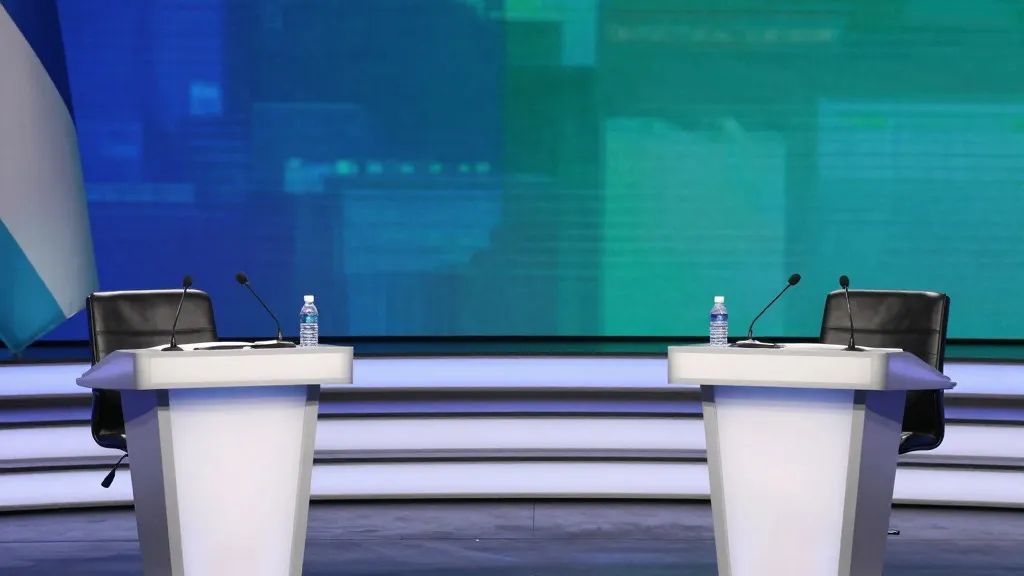
The final face-off between Brazilian President Luiz Inacio Lula da Silva and Senator Flavio Bolsonaro took place on Friday in Rio de Janeiro, setting the stage for a decisive vote on Sunday. The event, broadcast by TV Globo, marked the last opportunity for the two rivals to address the nation directly before the runoff election. While the atmosphere was slightly more measured than their first encounter earlier in the week, the session still featured sharp exchanges that highlighted the deep divisions within the electorate.
The political landscape has shifted dramatically in the days leading up to the vote. In the initial round of voting held on October 4, Bolsonaro secured the lead with 47 percent of the vote, narrowly ahead of Lula at 45 percent. However, a survey released by the Datafolha institute on Thursday indicates that this gap has vanished. The latest data shows the two candidates tied at 50 percent each. This development erases the four-point advantage Bolsonaro held in polls published just two weeks ago, suggesting a highly competitive finish.
Policy discussions dominated the debate, with both men scrutinizing each other’s plans for the economy, infrastructure, and regional growth. Lula targeted his opponent’s proposal to drastically cut public spending, a strategy he compared to the approach of Argentina’s libertarian president, Javier Milei. In response, Bolsonaro argued that he would face a similar situation because Lula is leaving the country in a state of bankruptcy. He stated, "I'll have the same job here [as Milei in Argentina] because you're leaving the country bankrupt."
The personal history of the candidates also played a significant role in the exchange. Bolsonaro, the son of former President Jair Bolsonaro, accused the incumbent of allowing organized crime to expand and failing to control the high cost of living. Lula, who is noted as Brazil's first working-class president, countered by questioning his rival's connection to the general population. He remarked, "He doesn't know what hunger is." Bolsonaro replied by asking, "Why are things so expensive?" Lula further pressed the point by declaring, "He doesn't know Brazil." Bolsonaro maintained his stance as a candidate capable of driving necessary change.
Tensions rose when Bolsonaro used the nickname "Nine Fingers" for Lula. This term is pejorative and refers to an accident Lula suffered during his time as a metalworker. The 80-year-old president demanded an apology, which Bolsonaro subsequently offered. The moment highlighted the lingering personal animosity between the two camps, even as they attempted to maintain a degree of diplomatic decorum.
Another point of contention involved allegations regarding Bolsonaro's ties to paramilitary groups in Rio de Janeiro. Lula referred to his rival as a vigilante in this context. Bolsonaro responded by stating he would classify such groups as "narcoterrorists." This exchange underscored the ongoing debate over security and the role of the state in maintaining order in major urban centers.
A particularly heated moment occurred when the mother of a five-year-old child was present. The child was killed in a shootout that involved a police officer whose lawyer was Bolsonaro. The candidate stated that he did not believe his client was guilty of the incident. The presence of the family served as a stark reminder of the human cost of the country's security challenges and the political stakes involved.
As the campaign enters its final phase, both candidates are expected to join their supporters in the streets of Rio de Janeiro and Sao Paulo. These final rallies aim to energize the base before the decisive Sunday vote. The outcome will determine the direction of Brazil's economic and social policies in a closely contested race.
The debate served as a microcosm of the broader national conversation, balancing serious policy questions with personal narratives. With the polls indicating a split decision, the next 48 hours will be critical for both campaigns as they seek to convert undecided voters in this pivotal election.
More Politics · World news · Report a business · Got a Story?