Shift Away From Factories Puts Brazil's Presidential Vote In Flux
The decline of industrial jobs and the rise of gig work are altering voter loyalty ahead of the final electoral showdown.
By Alina Carter ·
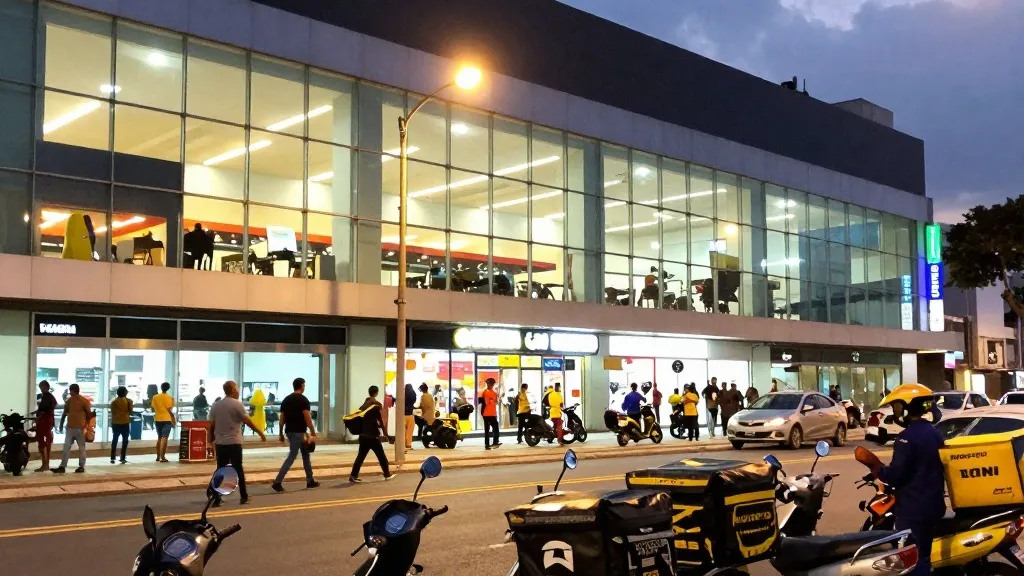
For millions of Brazilian voters heading to the polls this Sunday, the decision is no longer defined by the traditional divide between factory floors and white-collar offices. The nature of daily work has changed, and that shift is directly influencing who holds the keys to the presidency. As the country prepares for its run-off, the economic landscape has moved away from heavy industry toward services and digital platforms, creating a new political reality for both the ruling left and the opposition right.
The transformation is most visible in cities like Osasco. Once an industrial hub, this municipality is now known for its shopping malls and delivery app headquarters. In 2022, residents backed President Luiz Inácio Lula da Silva, but this month they turned to Flávio Bolsonaro in the first round. Gilberto Almazan, a union leader, notes that the disappearance of metal, chemical, and textile factories has left the old labor movement feeling outdated. He argues that the current workforce prioritizes flexibility over the collective bargaining structures that once defined political loyalty.
This trend, described by some as the Uber-isation of work, has created a gap in political expectations. Richard Lapper, a biographer of both major presidential candidates, suggests that Brazil industrialized late and deindustrialized early, intensifying the shock of this transition. He labels Lula a victim of his own success, noting that while unemployment is at a record low and the country has left the UN Hunger Map, many citizens feel the pinch of high prices and debt. This disconnect has led some long-time supporters to view the current administration with skepticism, blaming heavy taxes and perceived mismanagement for their financial strain.
Flávio Bolsonaro is capitalizing on this mood by promising to cut government spending and reduce the number of ministries, though he intends to keep key welfare programs. His campaign faces challenges, including denied corruption allegations and a high abstention rate of 33 million voters in the first round, the highest since 1998. In response, Lula’s team is mobilizing large street rallies, claiming a recent event in São Paulo drew a million people. The 80-year-old president is also actively using social media to counter narratives about his age, branding himself as the king of selfies to stay relevant with younger demographics.
In poorer communities, the stakes remain high. In the Maré favela of Rio, Lula retained support despite lower turnout, with residents citing the value of minimum wage increases and free medicines. However, there is anxiety about the opposition’s plan to designate the Comando Vermelho gang as a terrorist organization, a move some fear could lead to aggressive police actions like the raids last year that resulted in over 130 deaths. Local residents also point to logistical issues, such as last-minute changes to polling station locations, as factors contributing to voter apathy.
Religious institutions are also playing a growing role in filling service gaps. Evangelical churches, now attended by about a quarter of the population, provide childcare and employment advice. Pastor Silas Malafaia, who is currently under investigation for allegedly obstructing the coup trial of Jair Bolsonaro, emphasizes that Flávio Bolsonaro shares the church’s values regarding family and abortion. Yet, analysts note that the first round results looked more like a rejection of the status quo than a strong endorsement of the challenger. The final outcome may hinge on whether voters believe Lula can present a new narrative that addresses the changing nature of modern work.
The coming days will reveal if the traditional industrial base of the left can adapt or if the new service-class majority will continue to push for change. With high interest rates and household debt still weighing on families, the presidential race is as much an economic referendum as it is a political one. The winner will need to navigate a fragmented electorate that values both immediate relief and long-term stability, a difficult balance in a country where the definition of the working class is still in flux.
More Politics · World news · Report a business · Got a Story?