Israeli Stocks Surge 130% Since 2023 Despite Election Uncertainty
Investors anticipate that an opposition victory could further boost the shekel and equities, though current polls indicate neither party will secure a majority.
By Tunde Bailey ·

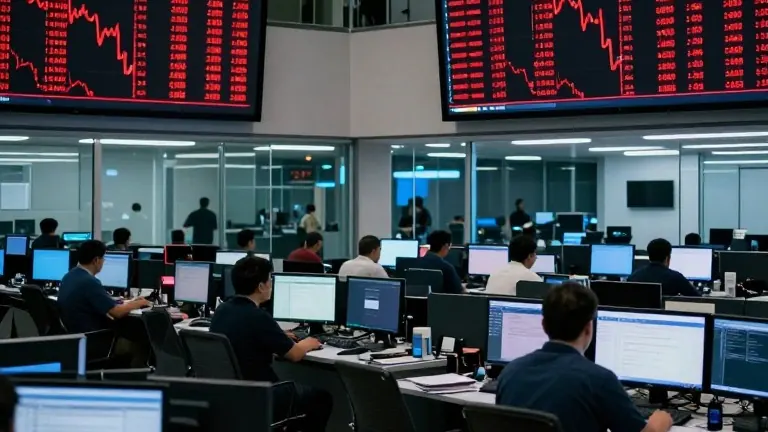
Israeli stock markets have climbed 130% since the October 2023 Hamas attacks, outpacing the 80% gain on Wall Street. The shekel has also appreciated by 25% over the same period. This rally has persisted through three years of war and political instability.
With elections scheduled for Tuesday, investors are weighing the potential impact of the results. Polls suggest that neither Prime Minister Benjamin Netanyahu’s Likud bloc nor the opposition alliance led by Gadi Eisenkot will win the 61 seats needed for a majority in the 120-seat Knesset. This could lead to extended coalition negotiations or a second vote.
JPMorgan estimates that the election outcome could shift the value of the shekel by up to 3%. The bank predicts that an opposition government would strengthen the currency by improving ties with Western allies and halting the judicial overhaul that sparked mass protests in 2023. Conversely, a second term for Netanyahu may weaken the currency. Rafi Gozlan, chief economist at IBI Investment House, agrees that an opposition win would lower Israel’s risk premium.
Billionaire investor Bill Ackman noted that excluding far-right ministers Itamar Ben-Gvir and Bezalel Smotrich from government could restore international credibility and expand the Abraham Accords. Charlie Robertson, chief economic adviser at Equity Bank, warned that Netanyahu’s reelection might increase the likelihood of escalation with Iran. A loss for Netanyahu could be interpreted as a step toward easing regional tensions.
Despite the uncertainty, some investors remain bullish. Sergey Dergachev of Union Investment purchased Israeli bonds before the vote, citing confidence in the economy. Government bonds have returned around 30% over two years, more than doubling the performance of major emerging market indexes. However, Copley Fund Research reports that global fund ownership of Israeli equities has fallen to a record low since 2023.
The economic cost of the conflict remains high. TS Lombard’s Christopher Granville cites central bank estimates placing the war’s cost above $55 billion by 2025. This equals 8.6% in cumulative lost GDP growth. Public debt is approaching 70% of GDP, up 10 percentage points from 2022, while the budget deficit is expected to stay near 4.5%.
An unresolved election poses a specific risk to market stability. Tel Aviv Stock Exchange research indicates that index volatility can increase by up to 45% in the weeks following a vote. Historically, initial declines have reversed within a month. The TA-125 index averaged a 16.4% return in the year after elections, exceeding its long-term annual average of 11.5%.
More Business · World news · Customer Complaints · Report a business · Got a Story?