The $99 Question: Tesla's 1.74 Million FSD Subscribers and the Pay Package Loophole
Tesla reports a surge in Full Self-Driving users, but the metric includes one-time buyers, complicating the path to Elon Musk’s compensation milestone.
By Tunde Bailey ·
A single line in a quarterly letter is quietly reshaping how investors view Tesla’s software success.
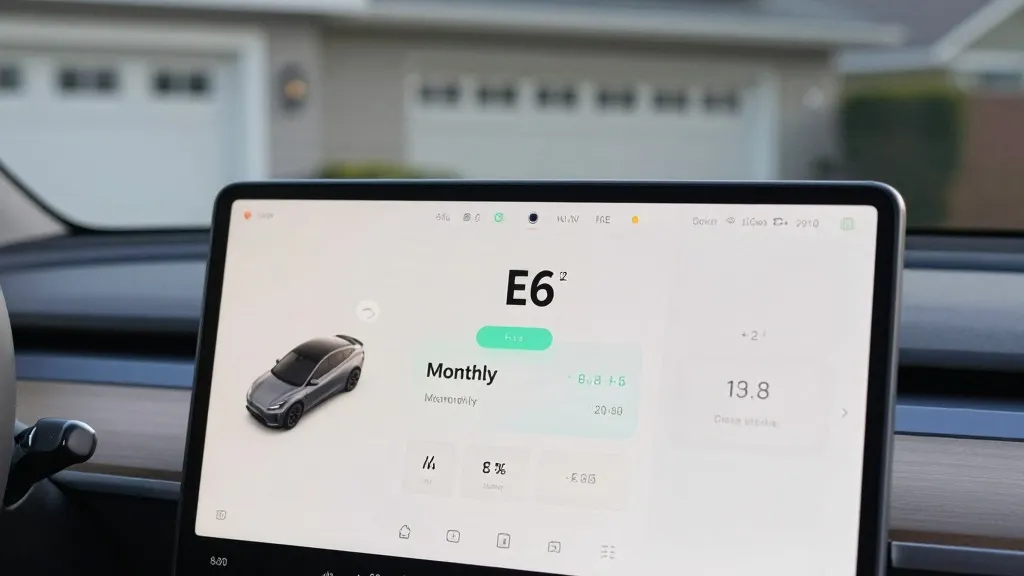
The automaker announced that it has reached 1.74 million active Full Self-Driving subscriptions, a figure that represents a 67% jump from the same period last year. This growth is the central headline of the company’s third-quarter 2026 shareholder communication, signaling significant traction in its autonomous driving push. However, the definition of what constitutes a “subscription” is not standard; it was crafted specifically to align with the operational milestones required for Elon Musk’s 2025 CEO Performance Award.
The primary point of contention is the inclusion of one-time purchase customers in the subscription count. Tesla ceased selling FSD as an upfront purchase on February 14, 2026, shifting new buyers to a $99 monthly model in the United States. Yet, the 1.74 million figure includes owners who paid up to $15,000 for the software years ago, provided their vehicles remain active. The only exclusion from this total is free trials. This accounting method allows legacy buyers to bolster the current subscriber base, even though they are not paying the recurring monthly fee that defines a traditional subscription service.
This specific metric is critical because hitting 10 million active FSD subscriptions is one of the key operational targets Musk must achieve to unlock portions of his 2025 compensation package. The award consists of 12 tranches, each tied to both market cap and operational goals, including the delivery of 20 million vehicles and the deployment of 1 million Optimus robots. As of June 30, Tesla had only deemed the 20 million delivery milestone probable, leaving the FSD target as a significant hurdle. By counting upfront purchasers, the company accelerates its progress toward this specific number, though it does not clarify how many of the 1.74 million are actually paying the monthly rate.
In North America, Tesla reported that more than 75% of new deliveries in the third quarter included FSD subscriptions, a nearly twenty percentage point increase from the previous quarter. The company attributes this surge to FSD driving demand in available markets. However, the letter does not define whether this attach rate includes introductory offers or how many of those initial buyers remain after the first few months. Unlike the active-subscription metric, which explicitly excludes free trials, the attach rate lacks a similar clarification, leaving room for interpretation on how many of these users are long-term payers versus short-term trialists.
The pace of growth offers mixed signals for the timeline to reach the 10 million milestone. Tesla added 260,000 net FSD subscriptions in the third quarter, its best performance to date. If the company maintains this quarterly velocity, it would take approximately eight years to reach the target. If it relies on the average growth rate of the last twelve months, which is roughly 700,000 per year, the timeline extends to about twelve years. The compensation award remains valid until 2035, providing a long window for these targets to be met, but the discrepancy between the two growth rates highlights the volatility of the FSD business.
Contextually, the issue extends beyond FSD to other metrics in the shareholder letter. Tesla’s cumulative delivery count, now at 10.2 million, also includes unsupervised Robotaxis placed into commercial operation. This inclusion is another instance of aligning reporting with the pay package, which has a 20 million vehicle milestone. Critics note that while counting upfront buyers is not inherently incorrect, presenting the total as proof of recurring revenue momentum can be misleading. The definition was written for compensation purposes, not necessarily to reflect the current state of the subscription business for investors.
The board has established these definitions, and Musk’s financial interests are directly tied to them. The company acknowledges that it knows the number of monthly payers but has not disclosed it in this letter. For the 75% attach rate to represent a sustainable business model, retention must be high. If the 75% figure holds up over time, it would validate the $99 monthly price point as a viable revenue stream. Until then, the 1.74 million figure serves as a headline number that satisfies the pay package criteria while leaving questions about the true scale of the monthly recurring revenue base.
As Tesla moves forward, the focus will likely remain on converting the high attach rate into durable monthly revenue. The company’s next reports will be scrutinized for any breakdown between legacy upfront buyers and new monthly subscribers. For now, the 1.74 million mark stands as a significant achievement under the specific rules of the 2025 award, even if it blurs the line between a software sale and a recurring service.
More Business · Customer Complaints · Report a business · Got a Story?