SpaceX Snubbed by Military, While Spain's Rocket Nears Final Checks
A major shift in commercial launch dynamics is emerging as SpaceX declines US military contracts and a Spanish small-lift vehicle enters its final integration phase.
By Petra Murphy ·
The space industry is currently navigating a period of significant strategic realignment, marked by a notable tension between private ambition and government procurement. On Thursday, a wave of news from the launch sector highlighted a divergence in how different players are approaching their near-term futures. While some companies are scaling back their involvement with defense agencies, others are pushing hard to finalize hardware for their maiden flights. The week brought two particularly striking developments that underscore the shifting landscape of commercial spaceflight.
In one of the week's most surprising moves, SpaceX informed the US Space Force that it would not be accepting three offered military launch contracts. The company essentially told the military branch that it was declining the opportunity, signaling a potential shift in how the firm prioritizes its heavy-lift capabilities. This decision comes at a time when the US military has been actively seeking to diversify its launch providers, and SpaceX's refusal to take on these specific missions adds a layer of complexity to the relationship between the world's most active launch provider and its largest government customer.
Simultaneously, on the civil space front, a NASA safety panel provided new insights into the logistical challenges facing SpaceX's Starship program. The panel indicated that a lunar landing mission could require up to 22 refueling operations in orbit. This figure highlights the immense complexity of the in-space refueling technology that is critical to the vehicle's long-term success. It serves as a reminder that while the hardware is being built, the operational procedures required to make it work are still being refined and scrutinized.
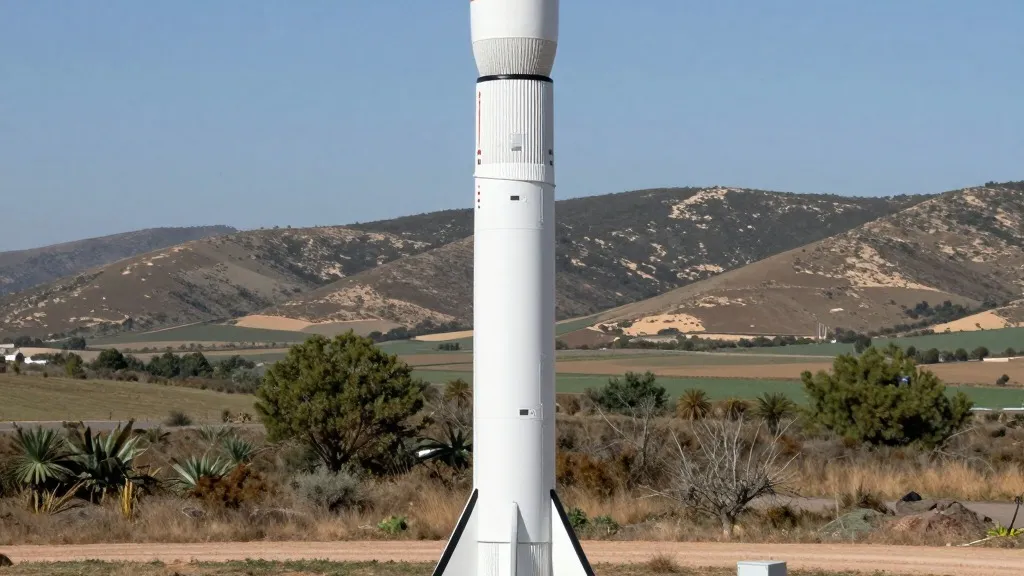
Meanwhile, in Spain, PLD Space is moving closer to making history with its Miura 5 rocket. The company, which is developing a small-lift vehicle, announced that the rocket is nearing final integration. This vehicle is scheduled to undertake its inaugural launch next year, marking a significant milestone for the European launch sector. PLD Space has already manufactured three Miura 5 rockets, a strategy that allows their teams to apply lessons learned from qualification campaigns directly to the launch vehicle.
Raúl Torres, the CEO of PLD Space, explained in an October 19 update that producing three vehicles has enabled continuous work across different stages of production. This approach has allowed the company to refine its processes effectively. Currently, one of the second stages is fully integrated and is undergoing system-level testing under representative operating conditions. This stage is located at PLD's test facility in Teruel, where it is preparing for a qualification campaign that includes a wet dress rehearsal and a static hot-fire test.
The target for the first flight of the Miura 5 has been set for before mid-2027. This timeline reflects the company's confidence in its development pace and the maturity of its technology. The focus on small-lift vehicles is part of a broader trend in the industry, where companies are looking to provide cost-effective access to orbit for satellites and other payloads that do not require heavy-lift capabilities.
In Canada, Reaction Dynamics is also making moves to expand its operations. The company, which is one of three prominent Canadian launch startups, is seeking to raise $350 million. This funding is intended to grow its staff from 68 to more than 350 people, a significant increase that reflects the company's ambition to scale up its manufacturing and engineering capabilities. The raised capital will support the development of its Aurora rocket, which is a small-lift vehicle.
Reaction Dynamics hopes to see the Aurora rocket reach orbit by 2028. In addition to this small-lift vehicle, the company has announced plans to build a medium-lift rocket called Borealis. The debut of the Borealis is targeted for 2031, indicating a long-term roadmap that spans multiple vehicle classes. This expansion strategy positions Reaction Dynamics to compete in both the small and medium-lift segments of the market, potentially offering customers a range of options for their launch needs.