Finnish Wildlife Displacement: Wolves Enter Villages as Google Halts Forest Clearing
A regulatory order to stop construction has followed reports that displaced wolves are moving into residential areas near Google's contested data center sites.
By Tunde Bailey ·
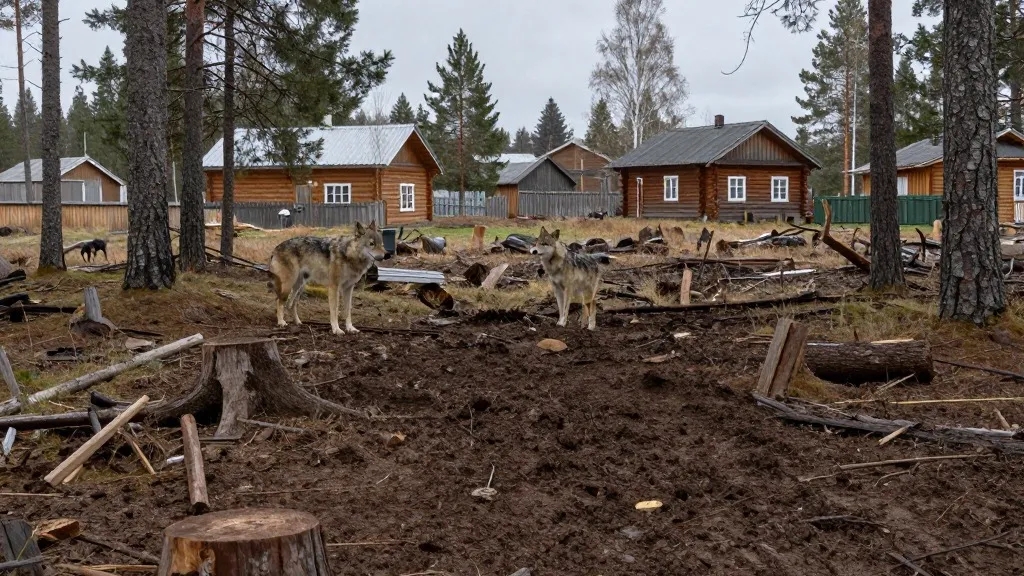
816 acres of forest have been transformed into a muddy expanse near the Finnish village of Muhos, a figure that underscores the scale of the environmental disruption caused by Google's data center expansion. This significant alteration of the landscape has prompted the company’s Finland country manager to issue an apology for what is described as unauthorized clearing. The American tech giant has now been ordered to cease operations in the area, a move that marks a pivotal moment in the ongoing dispute between the corporation and local regulatory bodies.
The immediate consequence of this land conversion is the displacement of local wildlife. According to recent reports, wolves that previously inhabited the dense forests are now roaming into neighboring villages. This shift in animal behavior has turned the situation from an environmental grievance into a potential public safety issue for residents living close to the construction sites, which are located approximately 55 miles southeast of Otanmäki.
Local residents have long expressed frustration over what they perceive as a rush to build infrastructure at the expense of natural habitats. Anni Ranta, 53, a long-term resident of Otanmäki, noted that the wild animals were forced out of their natural territory by the construction. "We had wolves coming into the village because all the wild animals moved out of the forest," Ranta explained. Her comments highlight the tangible impact of the project on daily life in the region.
Beyond the immediate ecological concerns, there are broader geopolitical and economic anxieties among the local population. Ranta expressed a specific fear that the presence of U.S.-owned data centers could make Finland a more attractive target for Russian aggression. This sentiment suggests that the dispute is not merely about trees and mud, but also about strategic positioning and national security in a volatile geopolitical landscape.
The regulatory response to the project has been decisive. The Finnish Licensing and Supervision Authority (LVV) issued an order requiring Google to stop development in both the Muhos and Kajaani areas. This action follows earlier notices given to the company earlier this month. The intervention by LVV signals that the regulatory body is taking the environmental impact seriously, particularly after a representative from the Finnish Association for Nature Conservation (SLL) characterized Google's handling of environmental policy as both unprecedented and clear in its disregard for existing rules.
Google has responded to the halt in construction with a statement emphasizing compliance and cooperation. A spokesperson for the company indicated that they will fully adhere to the requests made by the LVV. "We look forward to maintaining an active, open dialogue with all authorities to strengthen our partnership with Finland and local organizations," the spokesperson said. The optimistic tone suggests that Google is banking on the long-term business benefits of its data centers to maintain a favorable relationship with Finnish regulators and local stakeholders.
The issues raised by locals extend beyond the presence of wolves. Residents have also complained about construction and factory noise, as well as streams turning brown due to runoff. Additionally, there are concerns that rare bird species are being pushed out of their habitats. These grievances mirror similar complaints raised in other countries where AI data centers are being developed, indicating a recurring pattern of environmental friction in the tech industry's expansion.
The situation now stands at a critical juncture. With the order to cease work in place, the focus shifts to how Google will manage the transition and whether it will address the specific demands for remediation. The company must navigate the expectations of the LVV, the concerns of the SLL, and the safety worries of the villagers. The next steps will likely involve a detailed review of the site and negotiations on how to proceed with the project without further disturbing the local ecosystem.
For the residents of Otanmäki and Muhos, the pause in construction offers a temporary reprieve, but the underlying issues remain. The transformation of 816 acres into mud and the subsequent migration of wolves into villages are not easily reversed. As Google seeks to maintain its partnership with Finland, it must demonstrate that it can balance its rapid expansion with the environmental and social realities of the communities in which it operates. The coming months will test the durability of this partnership.
The broader implications for the tech industry are also coming into focus. As AI demand drives the construction of data centers worldwide, the Finnish case may serve as a benchmark for how regulators and communities respond to large-scale infrastructure projects. The combination of regulatory intervention, local activism, and corporate apology provides a complex picture of the challenges facing tech giants as they expand their physical footprint in Europe.