Ukraine Seeks Starlink Alternatives Amid Outages
European leaders and Ukrainian officials are accelerating plans to diversify satellite communications after recent service interruptions linked to political tensions.
By Tunde Bailey ·
Ukraine and its European allies are urgently evaluating alternatives to the Starlink satellite network following a series of unexpected service disruptions. These recent outages have heightened concerns about the reliability of the system, which has been a cornerstone of Ukraine’s defense and communication infrastructure since the start of the war. As the conflict enters its fourth year, the need for independent communication channels has become a top priority for both military and civilian authorities.
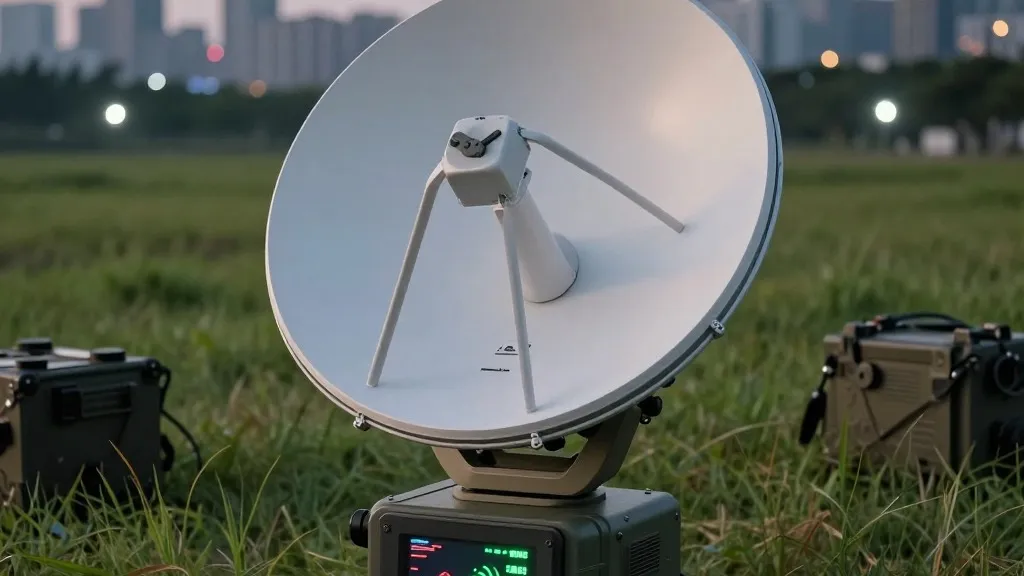
Starlink has provided critical high-speed internet and data transmission capabilities for Ukraine. The service supports a wide range of activities, from maintaining civilian connectivity to enabling the remote control of military drones. Ukrainian forces have relied on the network for air defense operations and for striking Russian targets. The system’s compact terminals allow for rapid deployment, making it an essential tool in the ongoing resistance against the Russian invasion.
The recent instability in the service has been attributed to the political leanings of the company’s owner, Elon Musk. This perception has led to questions about the long-term stability of the partnership. European nations, including Poland and Germany, along with the United States, have funded the procurement of tens of thousands of commercial terminals. Subscription fees for these devices are also covered by these allied governments, highlighting the significant financial investment made in the network.
Ukrainian defense experts note that Starlink currently offers superior satellite coverage compared to other available options. According to an anonymous representative from the hardware research and development division of Ukrainian defense firm BlueBird Tech, the service stands out due to its cost, availability, and ease of use. However, the representative noted that the primary technical limitation remains the need to position the antenna correctly to maintain a signal connection with the satellites.
In addition to commercial terminals, the United States has granted the Ukrainian military access to Starshield, a military-grade version of the service. This advanced system allows Ukrainian defense companies to test their technologies in cooperation with the armed forces. The availability of Starshield provides an additional layer of security and capability, but it does not fully eliminate the dependency on the broader Starlink ecosystem for everyday operations.
The current situation has prompted a broader discussion in Europe regarding the need for a more diverse satellite communications strategy. While Starlink has proven effective, the recent disruptions underscore the risks of relying on a single provider. Governments are now exploring ways to integrate other satellite networks and communication technologies to ensure continuity of service in the event of future outages or political shifts.
As the war continues, the focus will remain on securing reliable communication links for both military and civilian use. The integration of new technologies and the expansion of existing networks will be key to maintaining operational readiness. Ukrainian and European leaders are expected to continue collaborating on these efforts, aiming to reduce dependence on any single source of satellite connectivity in the coming months.