Trump's Ballroom Tour and the Ballot Box Disconnect
The president spent election eve urging voters to imagine him as a candidate, a strategy that did not prevent a historic Republican defeat across the country.
By Tunde Bailey ·
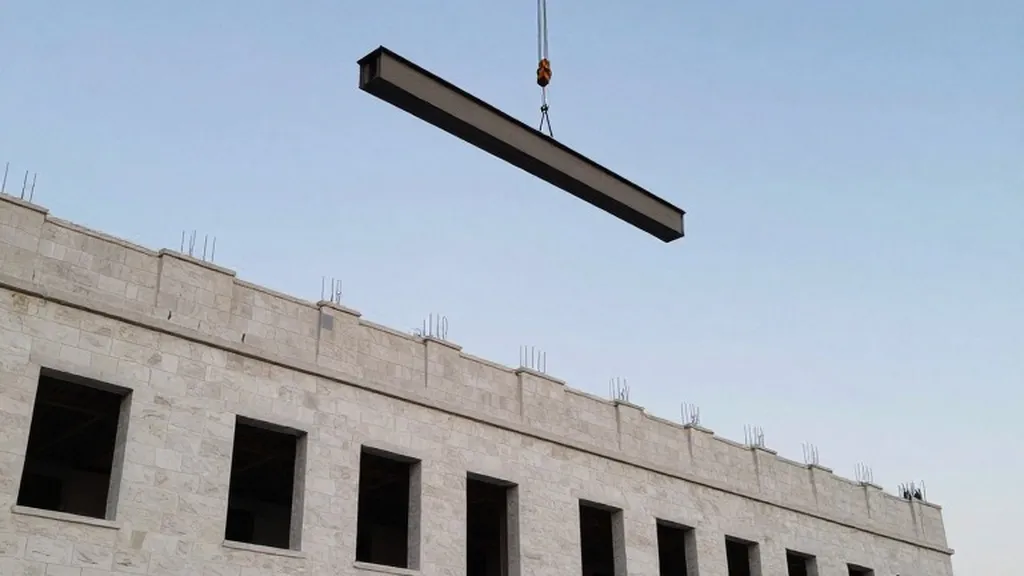
President Donald Trump spent the day after the midterm elections focused on construction rather than the ballot box. He invited reporters to the White House to view the under-construction ballroom, speaking for nearly 20 minutes about the structural elements of the project. During this extended address, the president made no mention of the sweeping Republican defeats that had occurred the previous night. The focus on the physical structure of the White House stood in sharp contrast to the political landscape, where Democrats had gained control of both chambers of Congress. The president signed a beam during the tour, describing the structure as unlike anything seen before. This visual display of executive activity occurred while his party’s leaders were processing the results of a historic loss.
Trump had used the final weeks of the campaign to implore supporters to treat the election as if he were a candidate. An Associated Press analysis of 39 speeches and rallies held since September 1 showed that the president frequently used this framing. He told voters at these events to pretend he was on the ballot. The strategy was intended to energize the base and direct their enthusiasm toward down-ballot Republican nominees. However, many Republican candidates had kept their distance from the president during the campaign. This disconnect between the president’s personal brand and the candidates’ positioning became a central theme in post-election analysis.
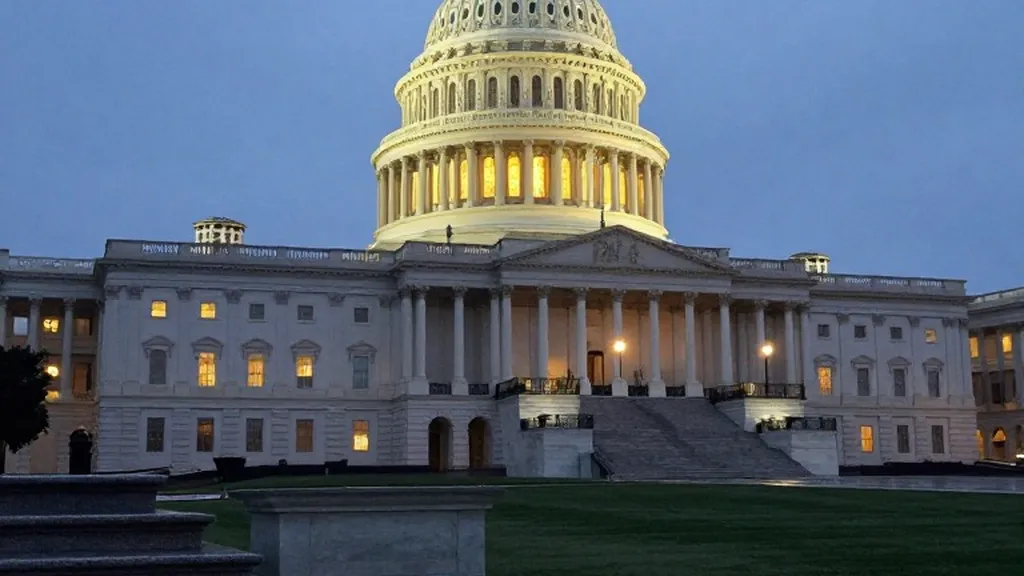
The results were decisive for the opposition. Democrats won 233 seats in the House of Representatives and 20 seats in the Senate. This outcome handed Democrats full control of the federal government’s legislative branch. The shift was not limited to traditional Democratic strongholds. The party gained seats in states where Trump had won the presidency in 2024. In the Senate, seven seats changed party hands, all moving to Democratic control. These gains included victories in South Carolina and Kansas, states that had not elected a Democratic senator since 1932. The depth of the loss forced a rapid reassessment of the Republican strategy for the midterm cycle.
Approval ratings for the president provided context for the voter sentiment. The AP Voter Poll indicated that only four in ten voters nationwide approved of how Trump was handling the presidency. This level of support was below the threshold typically associated with a safe midterm election for the president’s party. In several losing Senate races, including those in Ohio, Iowa, Maine, and North Carolina, majorities of voters stated that the Republican candidates were too supportive of the president. This finding suggests that the association with the White House became a liability for some of the party’s nominees. The negative perception of the president’s priorities also weighed on the ticket, with about two-thirds of voters saying he did not have the right focus.
Despite the clear results, Trump continued to deflect responsibility for the outcome. He said that he did not like to consider it a defeat because he was not on the ballot. He argued that voters simply did not like the specific candidates who were running. On social media, the president asserted that if he had been running, the Republican Party would have won in a landslide. This narrative mirrors his comments after the 2018 midterms, when he blamed defeated members of his own party for not embracing his name. The consistent theme in his public statements has been that the electorate rejected the candidates rather than the party’s leader.
The president’s recent campaign schedule highlighted the challenges his party faced. He visited some of the reddest states, including Kansas, Mississippi, and South Carolina, in an effort to boost turnout. These stops were part of a flurry of late-campaign rallies designed to mobilize the base. However, about six in ten voters disapproved of the president’s handling of the presidency. Views on his priorities were also mostly negative. This data points to a broader dissatisfaction with the direction of the country, which transcended the specific issues of the candidates. The electorate’s frustration was evident in the high number of voters who described themselves as angry or dissatisfied with the current trajectory.
Economic concerns played a significant role in the voting behavior. Three-quarters of voters in the AP Voter Poll said the economy was not so good or poor. About eight in ten reported that inflation had caused moderate or severe financial hardship for their households. These factors were cited as crucial to their vote for Congress, alongside concerns about government corruption. The cost of living, including gas and groceries, was a dominant talking point in campaigns across the country. While Trump declared in a Fox News interview that inflation was solved, the data showed that consumer prices had risen 3.6% in the previous year. This discrepancy between the president’s assessment and the economic reality contributed to the voter mood.
The Republican redistricting efforts also failed to provide the expected advantage. At Trump’s urging, Republicans in eight states had redrawn congressional district boundaries to secure a majority in the House. The plan was to create districts that were presumptively safe for the party. However, the AP Voter Poll suggested that the electorate had shifted in opinion between the redistricting and the election. In Texas, for example, Democrats won the state House and elected their first Democratic governor since 1994. The redistricting did not prevent these gains, and in some cases, it may have mobilized additional Democratic voters. The strategy to lock in a congressional majority through map changes did not survive contact with the electorate.