Tesla Sets Q2 2027 Target for Unsupervised FSD, But Only Within Robotaxi Zones
Tesla has pushed the timeline for driverless software in consumer vehicles to mid-2027, limiting the feature to specific urban areas where the company already operates its ride-hailing service.
By Alina Carter ·
Tesla has officially targeted the second quarter of 2027 for the launch of unsupervised Full Self-Driving capabilities in customer-owned vehicles. This new timeline was confirmed during the company’s Q3 2026 earnings call, marking the latest adjustment to a promise first made to investors and buyers nearly a decade ago. The update clarifies that the feature will not be a universal software update available in all driving conditions, but rather a specific integration into the company’s existing managed fleet infrastructure.
The financial and operational scope of this rollout is defined by the current footprint of Tesla’s Robotaxi service. As of the end of the third quarter, the company’s driverless operations have accumulated nearly 2 million unsupervised miles. This metric includes mileage from the Cybercab, which joined the Austin fleet just one month prior to the quarter's close. While these numbers represent growth, they highlight the limited scale of the current operation compared to the broader ambitions previously outlined by leadership.
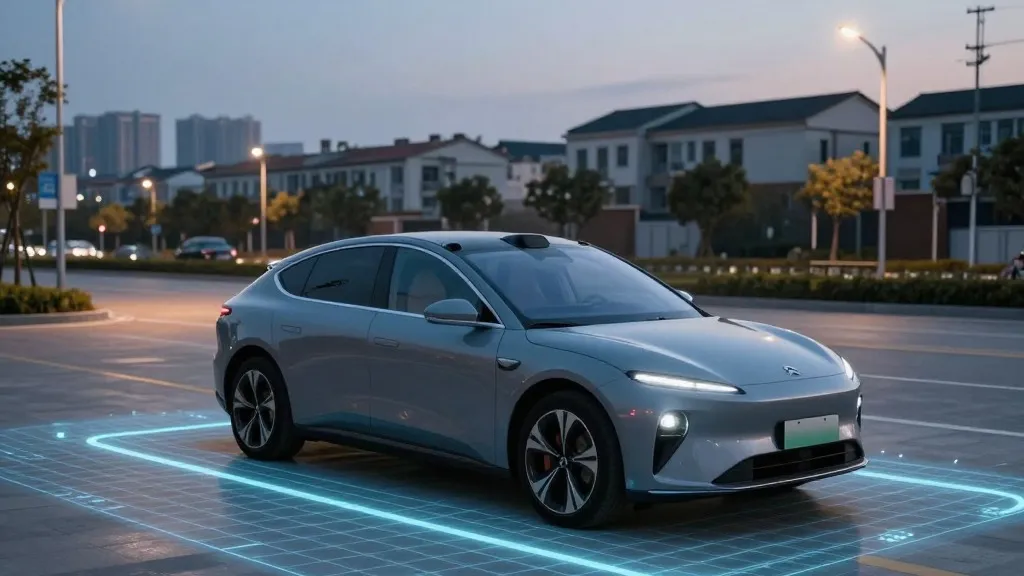
AI Chief Ashok Elluswamy provided the strategic context for the delay during the shareholder call. He explained that the initial step for owners is not to gain unrestricted autonomous driving, but to add their vehicles to Tesla’s managed Robotaxi fleet. Under this model, a customer’s car will only operate without supervision within the specific geofences where Tesla’s Robotaxi service is already active. This approach shifts the product definition from a personal autonomous vehicle to a fleet-integrated asset that operates under company-controlled parameters.
The geographic limitations of this strategy are significant. Tesla’s Robotaxi service currently operates in six U.S. metropolitan areas, but the serviceable zones within those cities remain small. For instance, the Miami operation covers a limited strip toward Doral and Sweetwater, while Orlando and Tampa launched in July with similarly constrained boundaries. The service primarily utilizes low-speed routes and avoids highways and complex urban environments, which restricts the utility of the unsupervised feature for long-distance travel or suburban commutes.
Regulatory hurdles further complicate the timeline, particularly in California. In the Bay Area, Tesla’s vehicles are not yet fully unsupervised because the company has not yet secured the necessary data releases from the California DMV to move beyond Level 2 autonomy. This regulatory friction means that even in a major market, the promise of driverless operation remains contingent on bureaucratic approvals rather than purely technical readiness. The contrast with competitors like Waymo, which has already exceeded 3 million miles in driverless operation in the same Florida markets, underscores the competitive pressure Tesla faces.
The discrepancy between the original sales pitch and the current product reality has raised questions among shareholders. Retail investors, representing approximately 1.1 million shares, specifically asked when they could expect unsupervised FSD in their personal cars. The answer of Q2 2027 comes after CEO Elon Musk previously stated in July 2025 that unsupervised use would be available in certain geographies by the end of that year. Additionally, owners of Hardware 3 units have been informed that their vehicles cannot run the unsupervised software at all, with no clear upgrade path currently defined.
For the market, this development signals a more conservative approach to autonomous driving deployment. By limiting the feature to Robotaxi zones, Tesla is effectively narrowing the scope of its value proposition. The move suggests that the company is prioritizing operational safety and fleet management over broad consumer adoption. While the Q2 2027 target provides a concrete date, the conditions attached to it indicate that the fully autonomous car experience remains a specialized service rather than a standard feature for all owners.
The stakes for Tesla involve balancing investor expectations with technical reality. As the company continues to refine its safety metrics, the focus remains on resolving the bottlenecks that prevent expansion into harder driving environments. Until those issues are addressed, the unsupervised FSD feature will remain a niche capability, available only to those whose daily routines align with Tesla’s limited Robotaxi zones.
More Business · Customer Complaints · Report a business · Got a Story?