Tesla reveals final interface for its high-speed electric roadster
The automaker released a detailed look at the driver-focused touchscreen, highlighting specific telemetry and thruster controls ahead of the vehicle's 2028 launch.
By Alina Carter ·
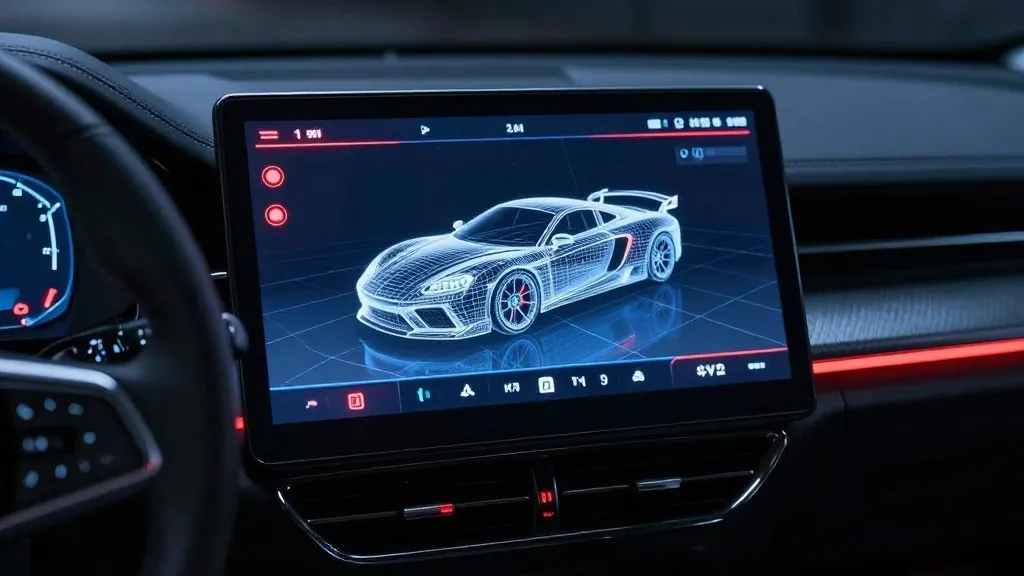
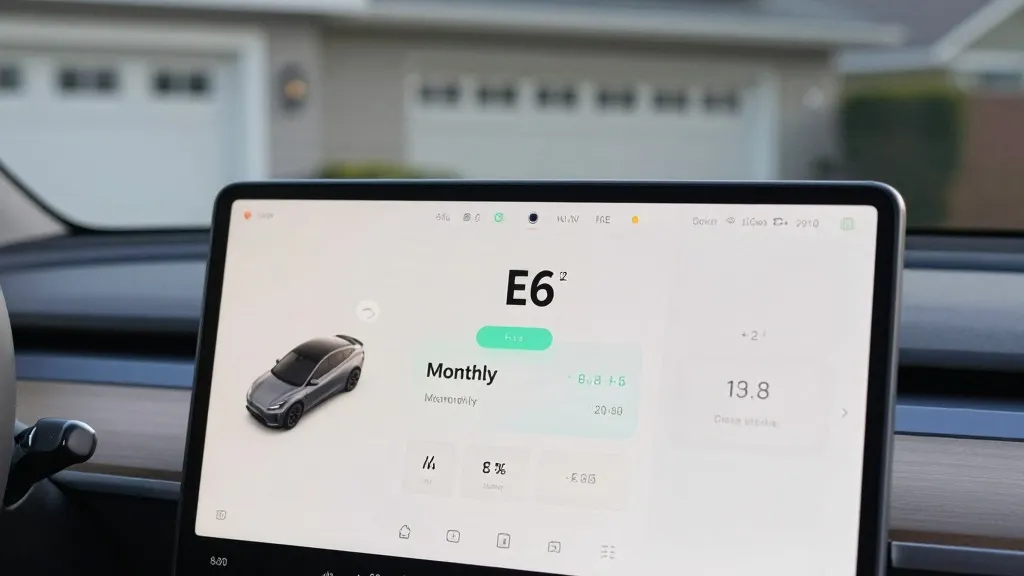
Tesla released a 34-second video on Friday afternoon that provides the most comprehensive view yet of the cockpit interface for its next-generation Roadster. The clip, posted to X with a caption noting the design was inspired by fighter jet cockpits, demonstrates how the software centers on the pilot rather than the traditional map-focused layout found in other models. This visual update serves as a critical step in finalizing the user experience for the high-performance vehicle that is set to enter production in 2028.
The video begins with a 3D wireframe of the car displayed next to the squared-off yoke. Interacting with the model brings up specific controls for the rear wing, allowing users to select between low drag and high downforce positions. The home screen also features a charging page with a charge limit bar and a small music player. A navigation row at the bottom of the screen includes tabs for Home, Vehicle, Listen, Climate, and Navigate, establishing the primary user pathways for the vehicle's daily functions.
A significant portion of the demonstration focuses on Track Mode, which reveals detailed real-time data for performance driving. The dashboard displays a live circuit map, session lap times, and critical mechanical readings such as brake and motor temperatures. It also provides pressure and temperature readouts for each tire. The setup page allows drivers to choose between Auto, Low Drag, High Downforce, or Custom aero modes, while also offering the ability to adjust aero balance, brake balance, and disable stability and traction control systems.
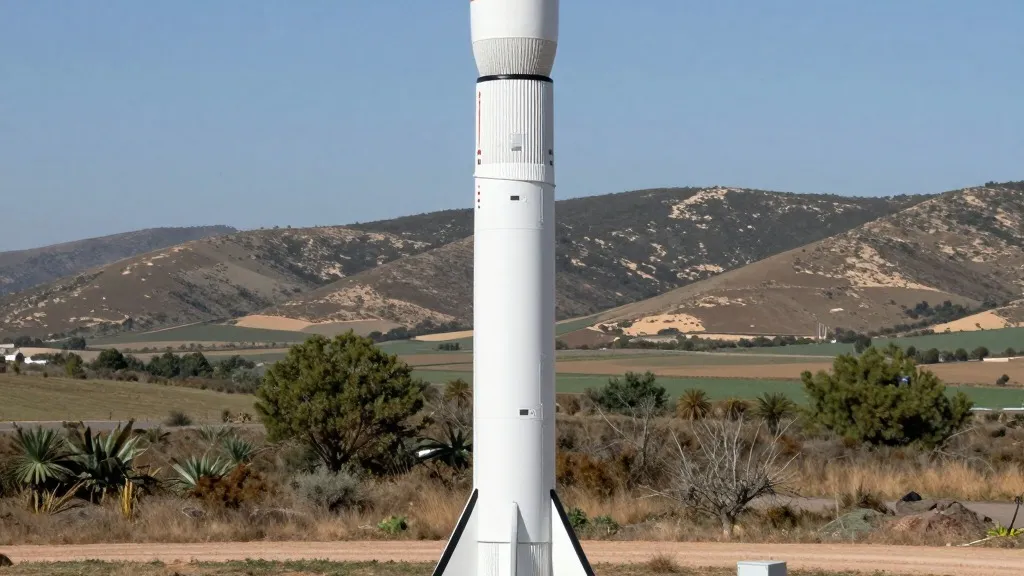
The software interface directly mirrors the hardware capabilities unveiled near Waco, Texas, in October. A status bar at the bottom of the Track Mode screen shows a Thruster reading of 5,500 PSI alongside a Boost Ready indicator. This confirms the integration of the cold gas thrusters fed by carbon overwrapped pressure vessels, which power the Thrust and Rocket versions of the car. Tesla lists 0 to 60 mph acceleration times of under 0.9 seconds for the Thrust model and under 0.59 seconds for the Rocket, while the base Performance car utilizes a fan and ground sealing system for grip.
The Roadster’s user interface marks a distinct departure from the rest of Tesla’s current lineup. Instead of centering the navigation map, the home page places the 3D model of the car at the center. The company’s official page lists two smaller forward displays in addition to the main touchscreen, though it has not specified if the advanced Track Mode telemetry will eventually be ported to other models like the Model 3 Performance. Reservations are currently open with a $50,000 payment, with the Thrust version listed as a limited release and the Rocket version reserved for an invite-only audience.
While the interface could still undergo minor changes before deliveries begin, the public will have its first opportunity to see the physical vehicle this weekend. The Roadster will be on display in the lobby of the Petersen Automotive Museum in Los Angeles from October 24 to 27. According to Sawyer Merritt, this exhibition marks the first time the general public will be able to view the flagship electric sports car up close, offering a tangible preview of the technology shown in the new software footage.
More Business · Customer Complaints · Report a business · Got a Story?