Lula Defeats Flavio Bolsonaro With 51 Percent in Brazil's Tightest Runoff
The 80-year-old leader secures a record fourth term after a late surge in the northeast, even as his rival disputes the validity of an extended voting window ordered by the Supreme Court.
By Alina Carter ·
Luiz Inacio Lula da Silva secured 51 percent of the vote to claim a record fourth term as president of Brazil. He defeated Senator Flavio Bolsonaro, who received 48 percent, in the runoff held on Sunday. Electoral authorities declared Lula the winner after 98.76 percent of ballots were counted.
The campaign was tight until the final hours. Polls showed the two candidates virtually tied in the days before the election. Bolsonaro briefly led as the count began on Sunday evening. The balance shifted as results arrived from the northeast, a region that has long supported Lula and the Workers' Party. Bolsonaro’s support is concentrated in the south, southeast, and center-west.
Three weeks before the runoff, the race looked different. On October 4, Flavio Bolsonaro won the first round with 47.03 percent of the vote. Lula trailed with 45.16 percent, a gap of 2.2 million votes. Lula spent the intervening weeks targeting voters who abstained in the first round. He focused his message on the cost of living and the future of his social programs.
The path to the runoff was marked by a first-round result that few had predicted. No candidate in modern Brazilian history had finished second and then won the subsequent runoff. Lula’s victory completes a comeback that no presidential candidate has managed in nearly four decades.
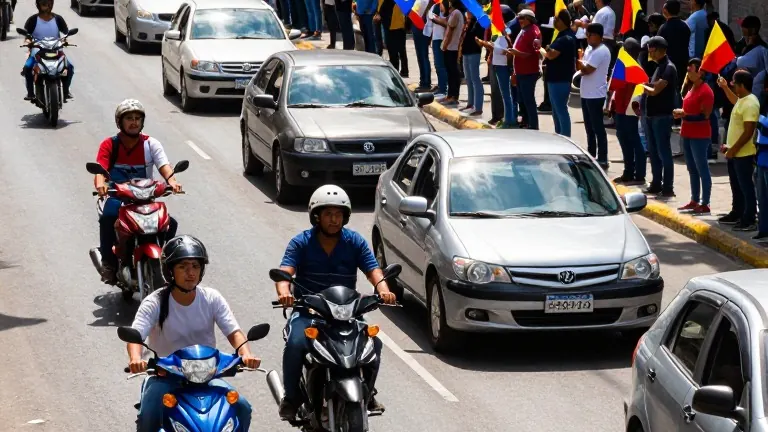
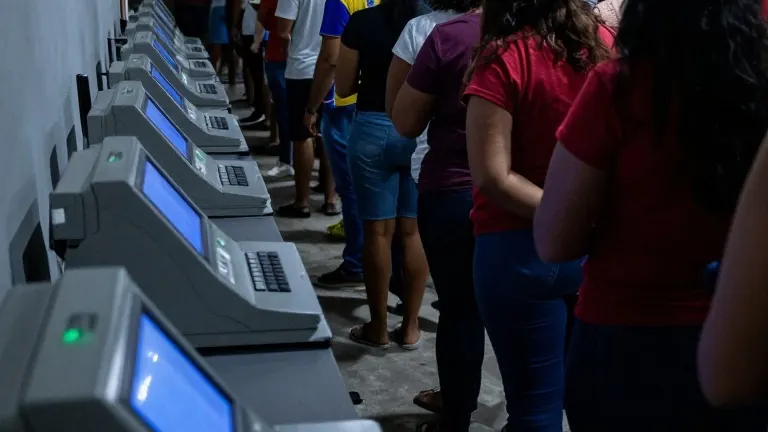
The result is complicated by a last-minute extension of voting hours. Both campaigns requested more time. Lula’s team argued that local officials cut public transport in several cities, making it difficult for low-income voters to reach polling stations. Bolsonaro’s campaign pointed to heavy rain and flooding. In Minas Gerais, 349 polling locations lost power, though machines ran on backup batteries.
Supreme Court Justice Cristiano Zanin ordered stations to remain open until 7 p.m., Brasilia time. The official end of voting was 5 p.m. The order arrived after some stations had already closed and shut down their machines. Zanin later clarified that stations that had already closed would stay closed. The delay caused confusion, and some voters were turned away despite the extension.
Flavio Bolsonaro has pledged to annul the vote. He accused Zanin of judicial malfeasance, noting that Zanin served as Lula’s personal lawyer before being appointed to the Supreme Court in 2023. “He changes the rules of the game mid-game,” Bolsonaro said. He told supporters, “It is impossible to recognise the results of the election.”
Investigations have already begun. Brazil’s Federal Police are examining alleged transport disruptions in five states. A court in Salvador ordered the arrest of the city’s transport secretary over claims that he directed bus service cuts. Donald Trump Jr. criticized the extension on social media.
Turnout influenced the outcome. Andrei Roman, head of AtlasIntel, cited a drop in abstention as a factor in Lula’s win. In the first round, an estimated 33.4 million Brazilians, or 21 percent of the electorate, stayed home. That was the highest abstention rate in a general election since 1998. Lula made late appeals to his working-class base, including a promise to pursue free public transport on weekends.
The result complicates the political ambitions of US President Donald Trump in Latin America. Reuters reported on Saturday that State Department officials had pushed for sanctions against Brazil to weaken Lula. Asked on Sunday whom he wanted to win, Trump said, “I don’t want to get into that, but we are watching.” In his victory speech, Lula said he had to “overcome interference coming from the outside.” He added, “The election was a defeat for denialism. It was a defeat for lies.”