Apple Unveils iPhone Duo: Global Retail Hubs See Early Crowds Amidst Limited Stock
The debut of Apple's first foldable smartphone has triggered significant queues at locations worldwide, though the company has cautioned consumers about constrained physical inventory.
By Tunde Bailey ·
The smartphone industry entered a new chapter on Friday, October 23, with the simultaneous global debut of a device that represents a significant shift in hardware design for the market leader.
Apple officially launched the iPhone Duo, its first foldable smartphone, across its retail network and online channels. The event marked the culmination of considerable industry anticipation, as the company moved to introduce a flexible display technology to its core consumer base. The launch was coordinated across all major time zones, ensuring that customers worldwide could access the new hardware simultaneously.
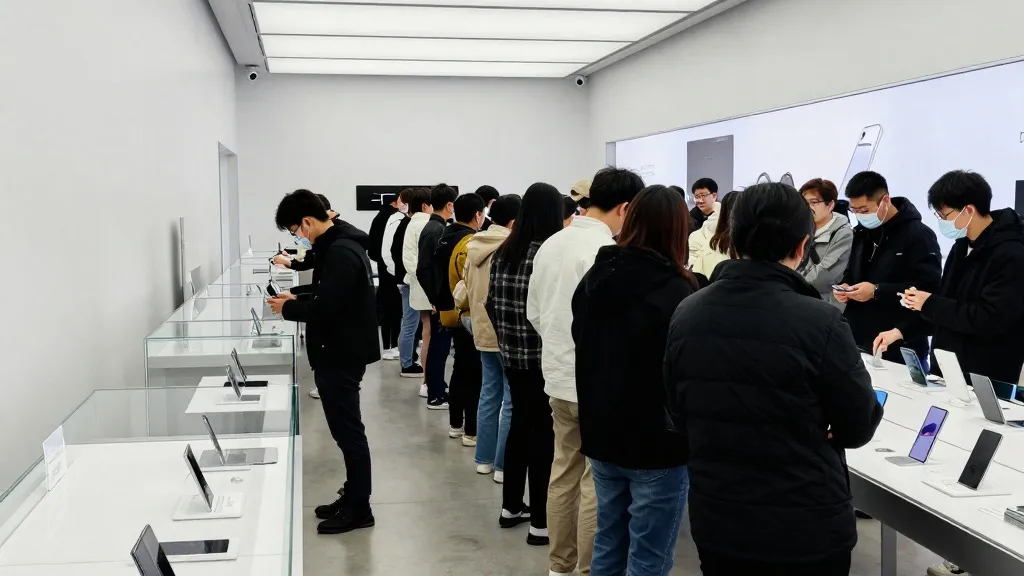
In a statement released to the public earlier today, the company highlighted the immediate consumer response. According to Apple, customers flocked to Apple Store locations to examine the device firsthand. Store team members facilitated hands-on demonstrations, allowing shoppers to interact with the foldable mechanism and explore the software ecosystem. The company noted that personalized shopping support was a key component of the in-store experience, with staff assisting visitors in navigating the new features of the iPhone Duo.
High-profile executives from Apple’s leadership team were present at key locations to oversee the rollout. Greg Joswiak, the senior vice president of worldwide marketing, joined Vanessa Trigub, the company’s retail executive, at the flagship store on Fifth Avenue in New York. Their presence underscored the strategic importance of the physical retail channel for this specific product launch, particularly in the United States.
Simultaneously, Apple CEO John Ternus was observed in Austin, Texas, at the Domain NORTHSIDE location. He was accompanied by Deirdre O’Brien, the chief of retail operations. Reports indicate that Ternus had toured Apple’s Austin offices earlier in the week, suggesting a focused presence in the region. The timing of the launch coincided with the Formula 1 United States Grand Prix, an event for which Apple serves as the exclusive streaming partner in the US, potentially adding to the local digital buzz surrounding the brand.
Despite the celebratory tone of the executive appearances, a practical challenge emerged for those seeking to purchase the device immediately. Lines formed overnight at numerous stores, as consumers attempted to secure units through walk-in availability. However, Apple had previously issued a warning that physical inventory would be limited. This caution appears to have been accurate, as many early shoppers found that stock was scarce or nonexistent at their local locations.
In response to the high demand and limited on-hand stock, Apple Store personnel advised disappointed customers to monitor the Apple Store application. Shoppers were instructed to check back at 10:00 AM Eastern Time on Saturday for updated details regarding in-store inventory. This digital check-in process is designed to manage foot traffic and inform customers of real-time availability without requiring them to wait in indefinite lines.
The launch day has highlighted the tension between high consumer demand and supply chain constraints for a new category of hardware. While the initial rollout was met with enthusiasm and significant foot traffic, the limited availability of the iPhone Duo in physical stores suggests that consumers may need to rely on pre-orders or online purchases in the immediate term.
As the day progressed, the focus shifted from the ceremonial aspects of the launch to the logistical realities of distribution. The company’s guidance to check the app for inventory updates signals a dynamic approach to managing stock levels in the coming days. For now, the iPhone Duo has successfully entered the market, establishing Apple’s presence in the foldable segment, though the long-term availability of the device in retail settings remains a point of observation for consumers.
The initial reaction from the public has been mixed, with some expressing frustration over the inability to walk in and purchase the device, while others have engaged with the product through digital channels. The coming hours will likely provide further clarity on how Apple manages inventory replenishment and whether the initial shortage is a temporary phenomenon or a structural issue in the launch phase.