Apple raises iPhone Duo production targets to 14 million units amid intense demand
Manufacturing output for the new folding smartphone is being increased significantly to meet a surge in pre-orders that caused immediate delays.
By Petra Murphy ·
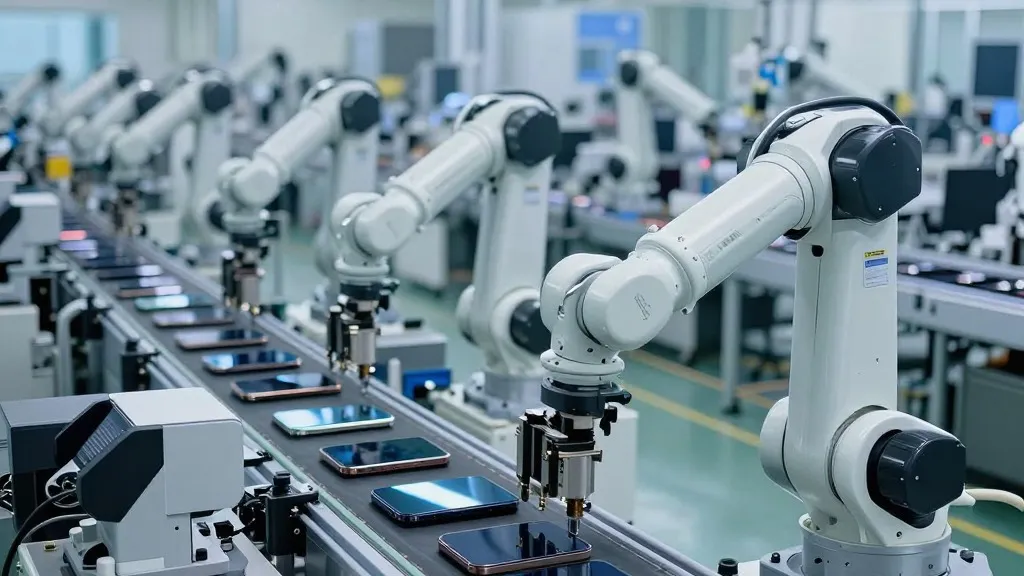
Customers who pre-ordered the new iPhone Duo are facing longer wait times than initially expected, with delivery estimates stretching into late January. This shift has prompted Apple to significantly scale back its supply chain operations to ensure enough devices reach buyers. The rapid adjustment in manufacturing goals highlights the intense market reaction to the company’s first folding smartphone, a move that has already created bottlenecks in the distribution network.
According to supply chain sources cited by DigiTimes, Apple has boosted its shipment targets from an initial 9.7 million units to 14 million units over the first 12 months of sales. This 40 percent increase in order volume is a direct response to what the company labeled as extraordinary pre-order activity. The report indicates that Apple expects this high level of demand to persist, necessitating a substantial ramp-up in production lines to meet the revised forecast.
The pre-order window opened on Friday, and delivery dates began slipping almost immediately. Within minutes of the launch, many customers noticed their estimated shipping dates were pushed further out. Apple attributed these delays to the overwhelming volume of orders, though the company has historically used similar language for standard iPhone releases. To manage the influx and reduce the impact of resellers, Apple capped individual purchases at two units per customer.
Since the initial rush, some early buyers have seen their delivery estimates move earlier. This change aligns with the reported production ramp-up, suggesting that manufacturing capacity is being expanded to clear the backlog. The adjustment in shipping timelines serves as a practical indicator that the supply chain is responding to the heightened demand for the new hardware.
While hardware availability is being addressed, early users are navigating software challenges. Third-party applications have not yet been fully optimized for the device's unique form factor. Apple states that the situation is improving as developers adapt their code to support the new platform. Initial reviews from users who have had the device for a week consistently cite app compatibility as a primary area for improvement.
Another notable point in early reviews is the use of Touch ID on the iPhone Duo, a departure from the Face ID system used in previous models. However, new reports suggest that Apple is already testing prototypes for a second-generation model. These upcoming devices are reportedly being evaluated with Face ID technology, indicating a potential return to facial recognition in future iterations of the folding line.