Fi Ultra tracker gets 30% cut with SCARY code
The 30 percent discount runs through October 25 and restores the device to its original launch cost.
By Petra Murphy ·
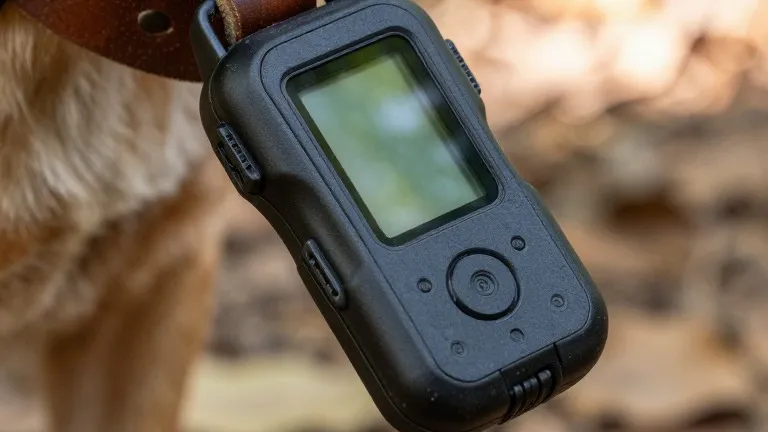
Pet technology companies often rely on subscription models to offset the high costs of satellite connectivity. Fi is now testing whether a temporary price cut can accelerate adoption of its hardware without altering that underlying business structure.
The company announced a 30 percent discount on its satellite-connected pet trackers on October 23. The promotion applies to several models, including the Fi Ultra. Shoppers must enter the code SCARY at checkout to receive the reduced price, which brings the Fi Ultra down to $209.30.
This price matches the level at which the Fi Ultra first launched. The device carries an IP68 rating, making it fully waterproof in saltwater. Battery life extends up to five days for active dogs. The hardware clips onto a collar or harness and uses a combination of LTE, GPS, and Starlink satellite coverage to track location. Fi states that this is the first dog tracker to integrate T-Satellite, Starlink, GPS, and LTE simultaneously.
Earlier this year, The Verge evaluated the tracker in a remote area of South Carolina. The test found that location updates arrived every two or three minutes, a delay that could hinder tracking for fast-moving animals. In Lost Mode, the battery drained quickly, lasting barely two days on a full charge. The unit is large, making it a better fit for bigger dogs than smaller breeds.
The hardware requires an active subscription to function. Fi offers discounted rates for the first term of service. A one-year plan costs $99 for the initial year and $189 for subsequent years. These plans are only valid in the United States, and satellite coverage does not include Alaska.
The discount ends on October 25. The promotion covers other Fi models as well. The company is also running separate deals on unrelated consumer electronics, including a Nintendo Switch 2 game and a USB-C microphone, but the pet tracker reduction is the central focus of the current campaign.