The Spanish Midday Meal Is Under Pressure but Not Yet Gone
Despite rising costs and shifting schedules, the traditional fixed-price lunch remains a cornerstone of daily life for millions of Spaniards.
By Alina Carter ·
Approximately four million Spaniards still sit down to a fixed-price lunch every single workday. This widespread habit, known locally as the menú del día, has remained a constant for over half a century. However, the practice is gradually losing its grip on daily routines. While many assumed this tradition died in the early 2010s, it has proven more resilient than critics predicted.
The origins of this meal are less romantic than many realize. It began in the mid-1960s as a strategic tool for the tourism ministry under the Franco regime. The goal was to show foreign visitors that food in Spain was abundant, affordable, and high quality. Regulations at the time mandated a soup starter, a main course with a side, and a dessert. Prices were strictly capped, and the included wine had to meet specific purity and alcohol content standards to prevent dilution.
By the early 1970s, the name changed to encourage locals to use the service rather than just tourists. Food journalist Lakshmi Aguirre, who recently published a book on the topic, notes that many people are surprised to learn of its political roots. She observes that the public often forgets this history quickly. The menu has since become so embedded in the culture that its origins are largely forgotten by the general populace.
Today, the average cost of this meal is €14.70. This price point creates a squeeze for both consumers and small family-run restaurants. Energy and food costs are rising, making it difficult to offer a rotating selection of dishes. Consequently, some establishments have simplified their offerings to a single daily dish or added Latin American foods to reflect the country's diverse population. Many busy workers are also opting for quicker alternatives, such as packed lunches or microwaveable meals.
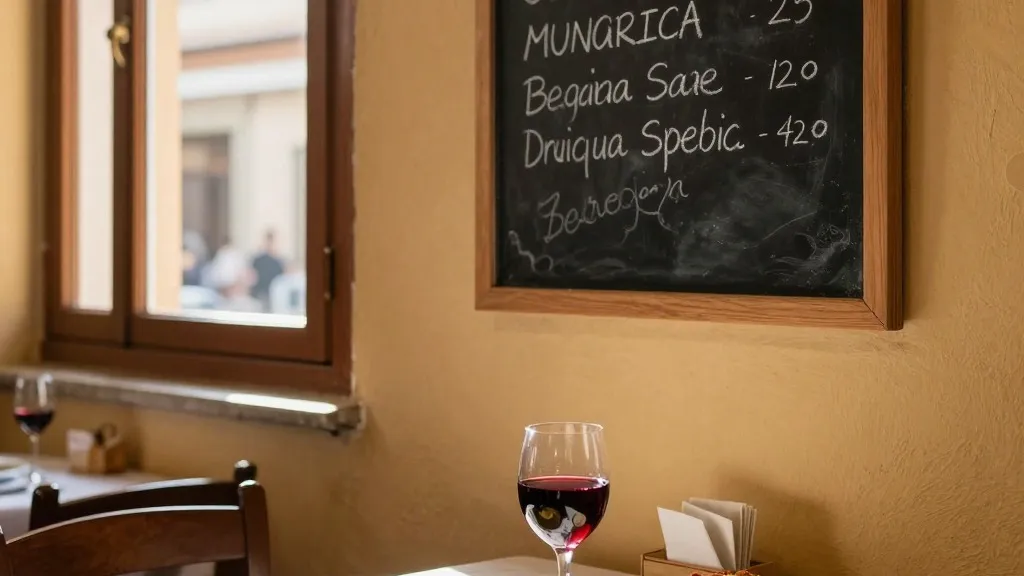
Aguirre argues that the tradition is adapting rather than dying. She believes the menu should reflect the society that eats it. Her ideal version includes simple, fresh ingredients like hake in green sauce or baby squid in ink, paired with a classic dessert. She suggests that a good venue can be identified by its simple dishes, fresh chips, and a chalkboard that avoids trendy buzzwords like burrata or sourdough. The presence of regulars and even a child doing homework at a back table are also positive signs.
The stakes are higher than just a cheap meal. Aguirre describes the midday meal as a vital social hub. It provides a place for families with limited budgets to eat out and offers companionship for those who live alone. She emphasizes that the true value lies not only in affordability but also in the time allocated to enjoy the meal. This combination of access and leisure is what makes the tradition unique and worth preserving.
As eating habits continue to shift, the future of this daily ritual remains uncertain. Yet, its persistence shows that there is still a strong desire for a structured, communal midday break. Whether it evolves further or maintains its current form, it remains a key part of the national identity.
More Culture · World news · Report a business · Got a Story?