Retired General: U.S. May Run Out of Interceptors Before New Iran Strikes End
Gen. Joseph Votel argues that without a defined exit strategy, fresh attacks will only delay the conflict while stretching defensive resources.
By Tunde Bailey ·
The United States possesses roughly 1,000 interceptor missiles, a number that retired Army Gen. Joseph Votel says could be exhausted before a new wave of strikes on Iran achieves its goals. Votel, who led U.S. Central Command from 2016 to 2019, told NPR's Leila Fadel that while fresh attacks can weaken Tehran's capabilities, they are unlikely to end the war on their own. He argued that previous strikes have already hit many likely targets, and Iran has demonstrated the ability to rebuild them.
Votel stated that the primary failure of past campaigns was the absence of a clearly defined end state. He believes Washington must articulate exactly how the war will conclude. In his view, that definition rests on two specific conditions: resolving the issue of nuclear enrichment and reopening the Strait of Hormuz to free trade. Until those objectives are met, he said, military force alone will not shift Tehran's calculations regarding the conflict's trajectory.
The general emphasized that military action is only one component of a broader strategy. He advised that economic, diplomatic, and information pressure must be synchronized with kinetic strikes. Votel pointed to the financial sector as the area showing the most tangible progress. He cited recent reporting indicating that Iran's shadow fleet has depleted its oil supplies, a result of ongoing blockades and sanctions. While he acknowledged this approach requires time, he noted that definite movement is occurring on that front.
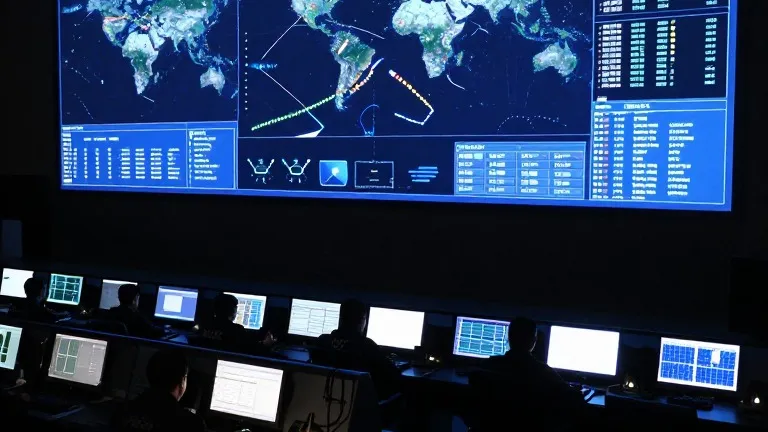
The most pressing operational concern, according to Votel, is the sustainability of U.S. defensive systems. He stated that American offensive power in the region remains substantial and capable of executing strikes. However, he identified missile defense as the potential constraint. Previous reports have documented heavy pressure on the interceptors that protect U.S. forces, regional partners, and critical infrastructure. Votel assessed that while the ability to attack is secure, the capacity to defend may face limitations if the conflict extends beyond current expectations.
Votel also addressed the political shift in Tehran, noting that the Iranian government has adopted a harder line and is more willing to execute bold counterattacks. He suggested that this posture underscores the need for a coordinated national strategy rather than isolated military actions. To bring Iran to the negotiating table, he argued, the United States must present a clear statement of objectives and maintain the patience to sustain a multi-domain approach. This includes leveraging the Houthis and other proxies to create regional instability, which Votel described as a secondary but relevant factor in the overall pressure campaign.
More Politics · World news · Report a business · Got a Story?