Regional Conflict: Saudi Interceptors Engage Houthi Projectiles
Debris from two downed ballistic missiles landed in Jeddah, Taif, and Rabigh after Yemen's Houthis claimed simultaneous strikes on oil and air infrastructure.
By Tunde Bailey ·
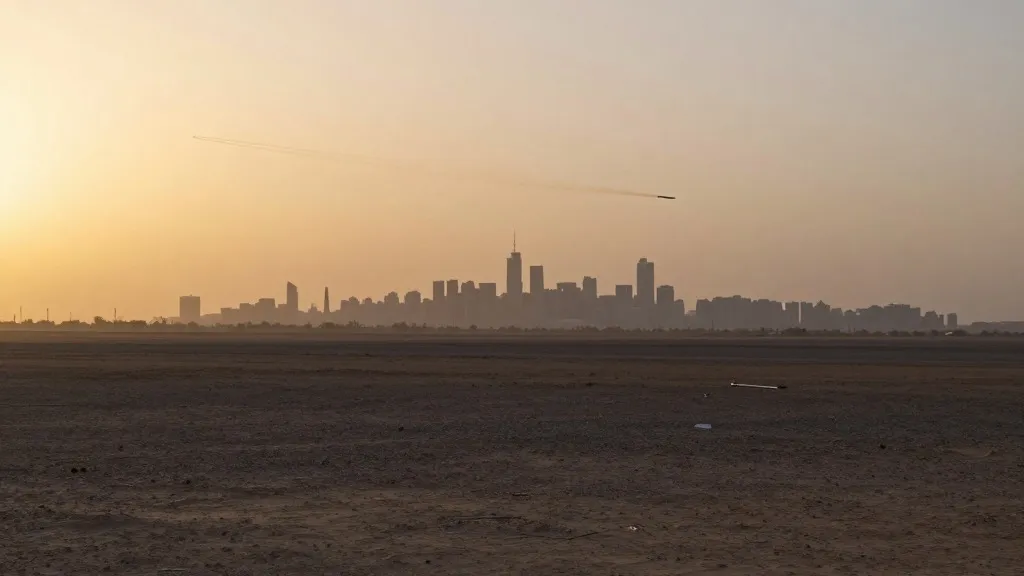
Saudi Arabia's Civil Defense confirmed on Saturday that the kingdom's air defense systems intercepted two ballistic missiles launched by Yemen's Houthi movement toward the Mecca and Medina regions. The agency reported that fragments from the intercepted projectiles fell in Jeddah, Taif, and Rabigh, marking the most recent exchange in a series of cross-border attacks.
The interceptions followed a Houthi declaration earlier in the day regarding coordinated strikes on Saudi energy and transportation assets. The group said it targeted a Saudi Aramco facility in Yanbu, the Rabigh oil refinery, and King Khalid International Airport in Riyadh. Yahya Saree, the military spokesperson for the Houthi armed forces, stated that the attack also included King Fahd International Airport in Dammam, Najran airport, and an air base in Khamis Mushait.
These missile launches occurred while Houthi-linked media reported on the ground in Yemen. The Saba News Agency cited the Yemen National Commission for Human Rights, which condemned Saudi airstrikes in the capital, Sanaa. The commission characterized the strikes on the Asr neighborhood and a cement factory in the Hamdan district as a massacre, adding to the reported escalation in hostilities between the two sides.
The United States State Department updated its travel advisory for Israel on Friday, citing an increased threat of armed attacks by Iran-backed Houthi forces. The notice warned of a potential for rapid escalation in regional hostilities but kept Israel's overall advisory classification at Level 3, which urges citizens to reconsider travel due to terrorism and unrest. The department noted that existing restrictions on travel to specific areas remained unchanged.
The State Department's warning referenced previous Houthi attacks on Saudi Arabia, specifically citing strikes on civilian airports and critical infrastructure that caused civilian casualties and travel disruptions. The latest missile defense engagement adds to the sequence of incidents that prompted the updated travel guidance for American citizens in the region.