Taiz Water Crisis Deepens Amid Siege
Aid agencies report that drinking water access in Yemen's third-largest city has collapsed as rebel forces tighten their grip on the area.
By Alina Carter ·
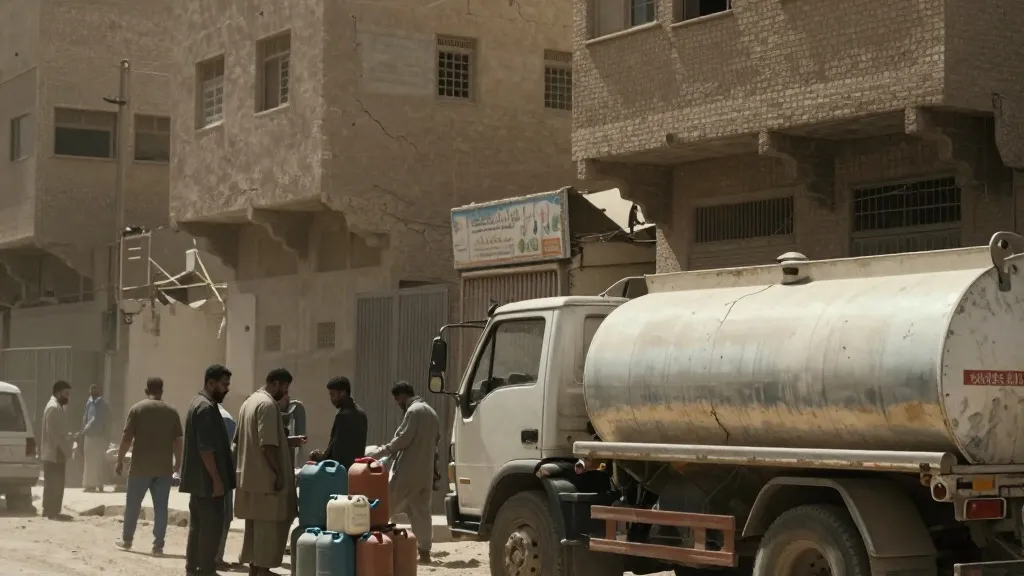
Yemen's Taiz province has long struggled with water scarcity, but the situation has deteriorated sharply in recent weeks. Aid organizations describe the current state as a crisis, driven by an escalating conflict between government forces and Iran-backed Houthi rebels who are besieging the city.
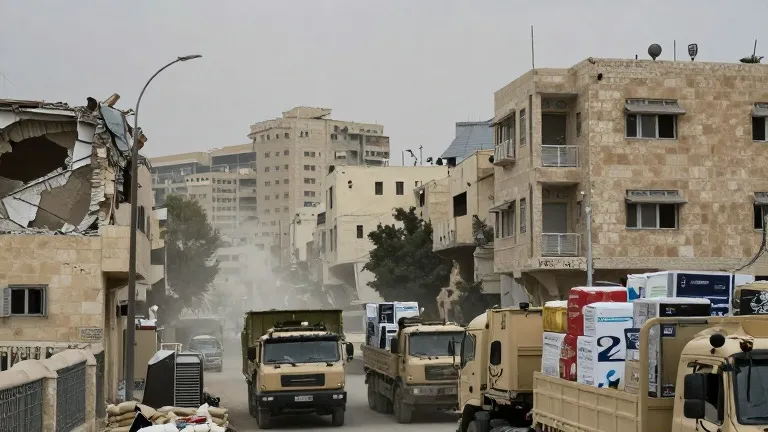
Humanitarian groups state that the needs of over one million residents are now barely being met. Access to local wells is restricted, desalination plants lack sufficient fuel, and water trucks are frequently blocked from entering. Families are stretching limited supplies, with some making ten liters of bottled water last four days instead of using it daily. Prices for bottled water have risen by as much as 75 percent, forcing some households to buy on credit.
The siege is causing broader economic and health issues. Food prices have increased due to shortages, while fuel scarcity hinders hospitals and sanitation services. Amnesty International has called on the Houthis to open roads immediately, warning that the city is near a severe humanitarian disaster. The water crisis is exacerbated by years of infrastructure damage, population growth, and drought, which depleted groundwater before the current conflict intensified.
The Houthi advance on Taiz accelerated last month after they captured the port city of Mokha, a strategic location for Red Sea shipping. As rebels took control of surrounding roads and land, residents lost access to nearby wells. Truckers charging triple rates for dangerous trips have further strained resources, while water utilities operate below capacity due to low fuel levels.
Taiz has absorbed approximately 124,000 displaced people since August, according to United Nations migration experts. Many live in makeshift shelters and survive on one meal a day. Cooking gas prices have quadrupled, leading some families to burn wood or cardboard. Fuel shortages have also disrupted community kitchens and waste collection, increasing the risk of disease such as cholera. Flour and rice costs are up about 50 percent compared to the summer.
Displaced residents face financial instability, with many relying on donations for food. Small businesses, including a local hair salon, have closed as customers prioritize basic needs. The government still holds the city center, but resupplying forces is complicated by resistance in surrounding hills. Analysts suggest that controlling Taiz is crucial for any Houthi push south toward Aden and Lahj.
Civilians remain in danger as fighting continues. Houthi missiles recently killed two teenage girls in a residential area. While some families have fled to safer areas, others cannot afford to leave. One resident noted that staying in their home is inevitable, whether it becomes a matter of life or death.