Google Activates Personal Intelligence Link for Search Ad Targeting
A policy update effective October 16 allows Gmail and Photos content to influence search ads if users enable the new feature.
By Alina Carter ·
Google updated its privacy policy on October 16 to allow content from Gmail, Drive, and Photos to inform the ads users see on its platforms. The revision connects directly to the company's Personal Intelligence feature, which began a beta rollout in early 2026. The change alters how the company defines the data sources used for personalized advertising.
Previous versions of the policy stated that personalized ads did not rely on user content from Drive, Gmail, or Photos. The current text introduces a specific exception to that rule. It notes the restriction applies unless users choose to make data from these services available to other Google services that support personalized ads. This shift allows for a direct link between user-generated content and ad targeting in specific scenarios.
The mechanism for this data sharing appears to be the activation of Personal Intelligence. The feature enables Gemini to access information shared across Google applications, including Gmail, Photos, Search, and Drive. The policy explains that users can grant specific services, such as Search or Gemini apps, access to data from other services they use. In exchange, Google promises a more personalized experience.
The policy provides a concrete example of this process. It states that Search may process data a user permits it to access in order to personalize content, including ads. This means that if a user enables the feature, the system can analyze their inbox or photo library to determine which search ads are relevant to them. The company has not indicated that it is sharing raw file contents with advertisers.
Google’s stance on privacy regarding identifying details remains consistent with earlier versions of the policy. The document confirms that advertisers will not see personally identifying information, such as a user's name or email address, without explicit permission. The language defining these protections has not changed in the October update.
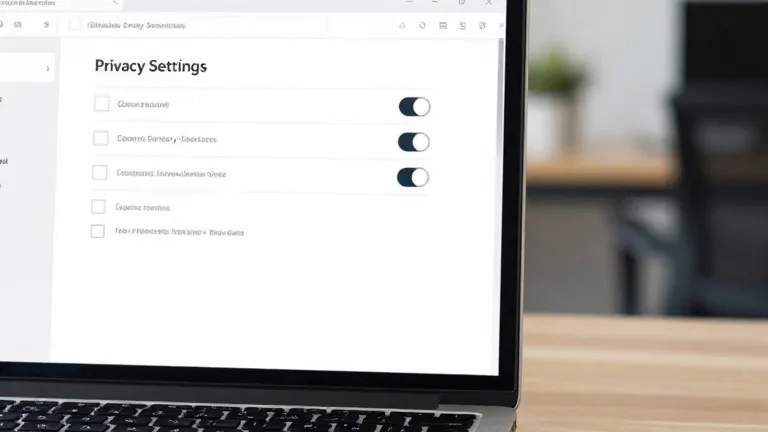
Personal Intelligence is currently an opt-in feature. Users who wish to review or modify these settings can navigate to the Data and privacy section of their My Account page. Within Personalization settings, they can select Manage Personalized Recommendations in Search services. This page includes a Turn off button that disables personalized recommendations entirely for the user.
The update was initially identified by Android Authority and subsequently covered by The Verge. The change took effect one week prior to this report. Users who have not enabled Personal Intelligence are not subject to the new data linking rules described in the revised policy.