Eyebrow Makeup: Shade Selection
Makeup artist Raquel Linde advises using a pencil two shades lighter than hair to achieve a natural look and avoid harsh lines.
By Tunde Bailey ·
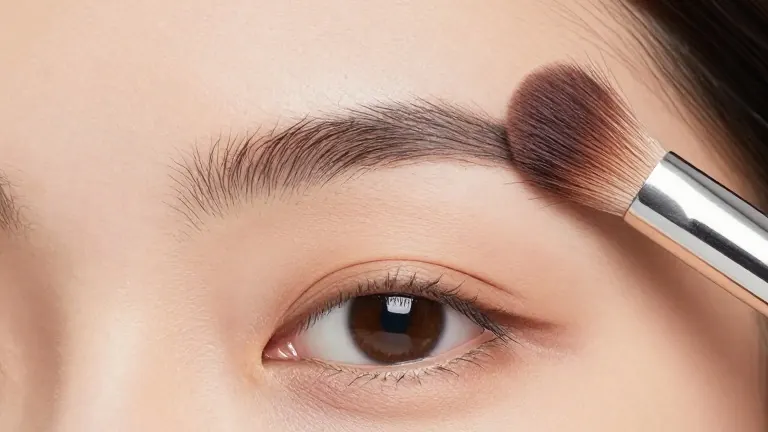
Makeup artist Raquel Linde recommends adjusting eyebrow makeup routines to accommodate aging hair and skin. She advises selecting a pencil shade that is up to two tones lighter than one's natural hair color. Linde states that this specific tonal shift creates a fresher, more youthful appearance without relying on dark or heavy products.
Linde argues that traditional methods often result in rigid looks that do not suit changing facial features. She warns against attempting to cover every detail with dense pigments. Instead, the focus should remain on natural harmony. The expert suggests using cool tones such as taupe, soft chestnut, or neutral brown. Warm or reddish pigments should be avoided to maintain a seamless blend with the rest of the face.
The application technique centers on precision. Linde instructs users to brush hairs upward first to identify sparse areas. A fine-tipped pencil should then be used to draw small strokes only where density is lacking. This approach prevents the creation of a uniform block of color. The goal is to mimic natural hair growth rather than painting a solid shape.
To finish the look, Linde suggests using a small amount of tinted gel. This product helps conceal gray hairs and keeps the brows in place. The edges of the gel should be blurred to avoid visible hard lines. This step ensures the final result appears soft and integrated with the facial structure.
The makeup artist also addresses the physical impact of over-plucking. Frequent removal with tweezers or wax weakens the hair follicle matrix. This can lead to traction alopecia, a condition characterized by permanent loss of density in key areas. Once the natural growth cycle is disrupted, gaps form that alter the frame of the face. These changes make it difficult to design a natural-looking brow without heavy makeup.
Repeated traction on sensitive skin also contributes to chronic irritation. It accelerates the loss of elasticity in the eyelid area. This long-term effect compromises the firmness of the skin around the eyes. Linde notes that these factors work together to affect the overall freshness of the gaze.