Director Amir Bar-Lev Edits 60 Stories Into One K2 Winter Climbing Film
The filmmaker used licensed footage and iPhone clips to tell a story he says is less about the mountain and more about human meaning.
By Tunde Bailey ·
Amir Bar-Lev did not plan to direct a mountaineering documentary.
The director of The Tillman Story and Long Strange Trip received a call from producer Sarah Thomson approximately three years after the winter 2021 K2 expedition. Thomson told Bar-Lev that her husband, producer John Battsek, believed the subject would not interest him, but she felt the story’s focus on meaning and culture would appeal to him. Bar-Lev accepted the project despite having no prior knowledge of the sport and personal reservations about the genre.
The film, The Last First: K2 Winter, documents the chaotic attempt by a group of climbers to become the first people to ascend Pakistan’s K2, the world’s second highest mountain, during winter. The project arrived with a large library of pre-licensed material. This included footage from six different documentary teams, personal videos shot on GoPros, and casual clips captured on iPhones. Bar-Lev noted that the raw content featured 60 potential protagonists, creating a complex narrative challenge.
Bar-Lev worked with a young, all-British production team, a detail he attributed to favorable tax incentives in England. The creative process involved balancing different visions. While the editor saw the film as a simple story about climbers John Snorri Sigurjónsson and Muhammad Ali Sadpara, Bar-Lev envisioned a Robert Altman-style ensemble piece. The team compromised to create a narrative that addressed the competitive nature of the climb, which concluded a third of the way through the film’s timeline.
The director described the filmmaking process as a struggle to rein in his instincts to make the film essayistic. He considered including scenes about cave paintings to contextualize the human drive to conquer nature but was convinced by his team to cut the concept. Bar-Lev stated that he wanted to avoid being didactic, allowing the audience to draw their own conclusions about the climbers’ motivations and risks.
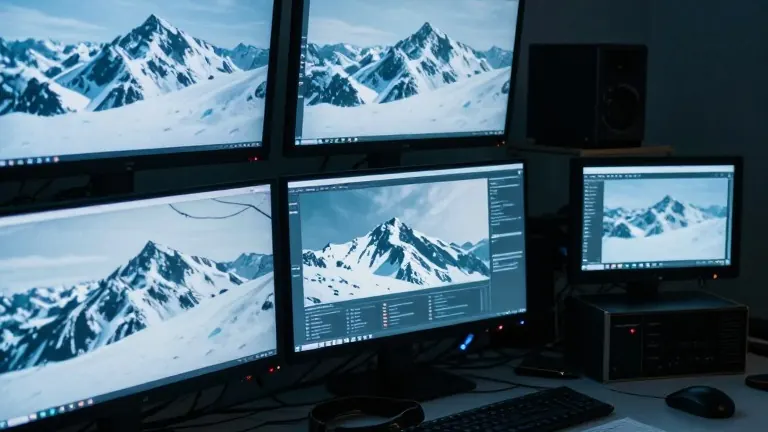
Visually, the film rejects the polished, sweeping aesthetic common in mountaineering documentaries. Bar-Lev explained that shooting past Camp 2 often requires significant artifice, similar to nature documentaries where shots are staged to imply continuous action. To avoid this, the film embraces a lo-fi look using handheld and consumer-grade footage. This choice aligns with the film’s critical examination of how social media and camera presence influence high-risk behavior.
The film premiered at the Sundance Film Festival. Bar-Lev, who described himself as a slow filmmaker with a nine-year gap between this project and his 2017 Grateful Dead documentary, monitored audience reactions through Letterboxd. He observed conflicting feedback, with some viewers criticizing the runtime as too short and others as too long. Bar-Lev viewed these divergent reactions as evidence that the film successfully left room for interpretation.