3M commits $7.35 billion to resolve PFAS groundwater lawsuits
The St. Paul-based manufacturer will disburse funds over nine years to compensate up to 120,000 individuals harmed by firefighting foam chemicals.
By Alina Carter ·
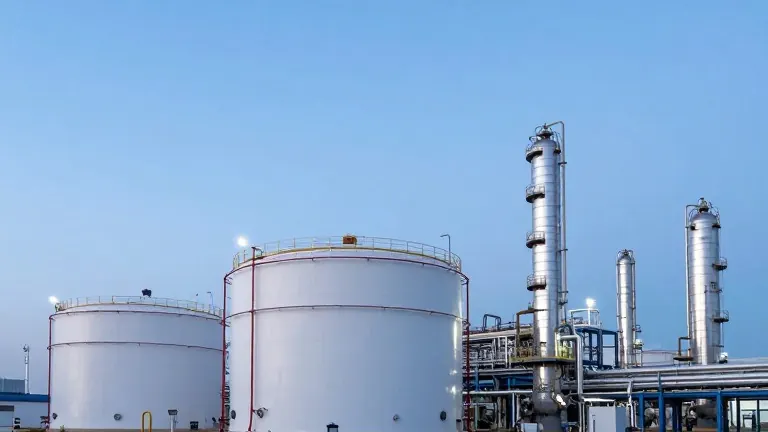
3M has agreed to a settlement worth up to $7.35 billion to resolve claims that its products contaminated groundwater with persistent chemicals.
The company, based in St. Paul, Minnesota, announced the deal on Tuesday. It will distribute the funds over a nine-year period to as many as 120,000 plaintiffs. These individuals allege they were harmed by exposure to per- and polyfluoroalkyl substances, commonly known as PFAS. The chemicals were used in firefighting foam and other consumer goods. Contamination was found near military bases, airports, and other sites where the foam was deployed.
Litigation over these substances began roughly a decade ago. Plaintiffs argued that PFAS, which do not break down naturally, caused liver damage, immune system issues, and certain cancers. The chemicals are also found in nonstick cookware and water-resistant clothing. 3M previously settled other PFAS cases. Those agreements included a $450 million payment to New Jersey for natural resource damage and a deal to pay over $10 billion to U.S. public drinking water systems. Other manufacturers, such as DuPont de Nemours Inc., Chemours Co., and Corteva Inc., have also agreed to settlements totaling more than $1 billion.
Under the new terms, 3M will pay $50 million in the current year. From 2028 through 2033, the company will make annual payments exceeding $1 billion. The total amount is contingent on participation levels. If too few plaintiffs sign on, 3M retains the option to cancel the settlement and continue litigating the case. The agreement does not require 3M to admit liability for the contamination.
William Brown, chairman of 3M, described the agreement as a milestone that reduces litigation uncertainty. Fred Thompson, an attorney at Motley Rice who represented the plaintiffs, said the deal offers welcome news for thousands of victims. He noted in a news release that plaintiffs face urgent needs, including mounting medical bills.
Environmental activists argue that manufacturers understood the health risks of PFAS long before public awareness grew. They point out that the same resistance to breakdown that makes the chemicals useful also makes them hazardous. The Environmental Protection Agency has established strict limits on PFAS in public utility drinking water and mandates testing. However, these rules do not apply to private wells. A study intended to help federal regulators identify industries that discharge the chemicals in wastewater has been stalled for two years. It is currently awaiting review by the White House Office of Management and Budget.
More Business · Customer Complaints · Report a business · Got a Story?