White House Renovation: Trump Signs Proclamation Protecting Oval Office and Cabinet Room
The move requires congressional approval for major changes to the executive office suite, a decision made shortly after Democrats seized control of Congress.
By Alina Carter ·
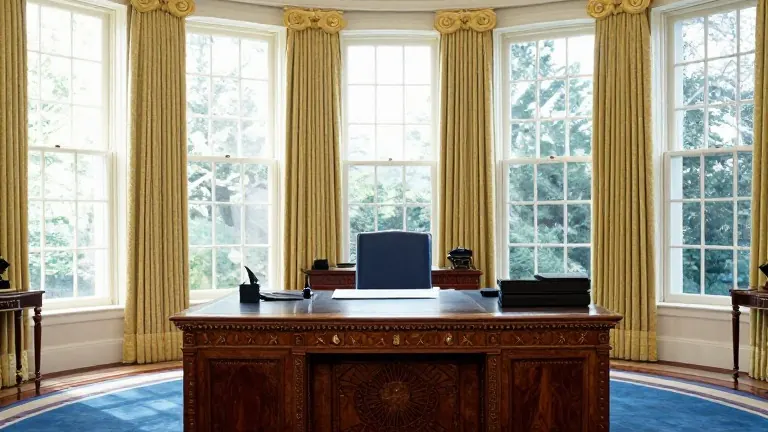
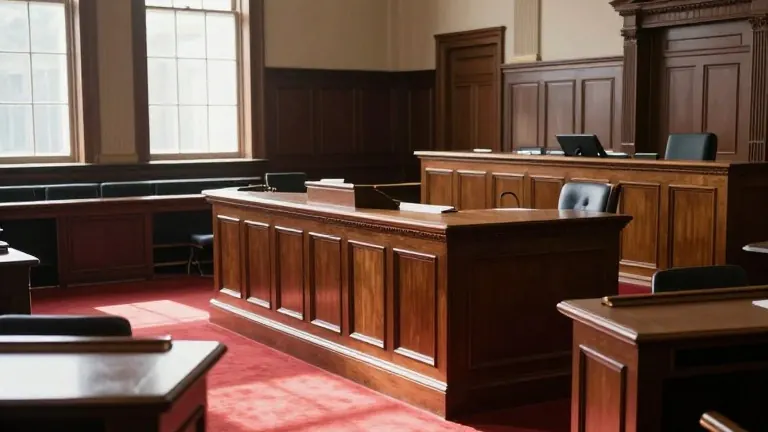
President Donald Trump signed a proclamation on Thursday designating the Oval Office and the Cabinet Room as a national monument. The action creates a new layer of protection for these spaces, requiring future administrations to seek congressional ratification before making major structural modifications. The decree aims to prevent subsequent presidents from altering the physical character of the rooms without legislative consent.
The signing ceremony took place in the Oval Office itself. Trump stated that the rooms would be "declared a national monument" and sent to Congress for approval. He asserted that under the new rules, the spaces "won't be able to be taken down, destroyed, touched or anything else." The White House has held U.S. National Historic Landmark status since 1960, but this specific proclamation targets the executive suite for discrete protective management.
Trump used the event to discuss the balance between preservation and flexibility. He noted that future presidents could still redecorate the Oval Office and select furnishings. However, any "major modifications" would require congressional approval. He expressed confidence that lawmakers would be "smart enough not to let that happen," implying a preference for maintaining the current aesthetic.
This development follows a period of intense focus on White House physical changes. On Wednesday, the day after Republicans suffered losses in the midterm elections, Trump addressed reporters at the construction site for the new White House ballroom. He described the White House as the "ultimate symbol of America" that must remain "pristine" and "perfect." The ballroom project involves the demolition of the historic East Wing, a move that has drawn criticism from preservation groups.
Prior to his second term, Trump completely redecorated the Oval Office, emphasizing gold accents. The proclamation allows for "ordinary operational and security modifications" but prohibits changes that "substantially impair the monument's historic structure or architectural character." Trump acknowledged that while he views his time in the office as a series of "victories," there have also been "some mistakes." He did not specify which errors he referred to.
The political context for these remarks is defined by the recent election results. Democrats secured control of Congress, a shift that occurred just days before Trump's public appearances. In his final campaign speech on Monday at the Lincoln Memorial Reflecting Pool, he also prioritized renovation topics. The pool has been closed since July due to renovations that Trump described as "botched." He spent much of that address promoting the pool's eventual reopening and other infrastructure projects around Washington.
Trump used the postelection period to frame his legacy in terms of physical infrastructure. He claimed his two years in office represented a "tremendous" period of achievement, citing work on the border and the stock market. The proclamation serves as a formal mechanism to lock in the visual and structural status of the Oval Office and Cabinet Room, shifting the power to alter them from the executive branch to the legislative branch.