Treasury Cuts Growth Outlook as Oil Hits $113
A 60-cent-per-litre petrol jump follows Middle East conflict ahead of the December mid-year budget update.
By Tunde Bailey ·
Australia's Treasury is trimming its growth and unemployment forecasts after oil climbed to US$113 a barrel, a jump tied to widening conflict in the Middle East and one that lands ahead of the December mid-year budget update.
Treasurer Jim Chalmers told an audience last week that the economy would be "a bit better" within a year. By Friday, he confirmed officials were lowering projections for both growth and jobs. "The pressures on people right now are very substantial and obviously that keeps me awake at night," Chalmers told Politico, adding that some causes sit beyond Canberra's reach. "We're hostage as well to decisions taken in DC or Tehran or in Eastern Europe about two wars which are pushing up inflation around the world and weighing on growth around the world."
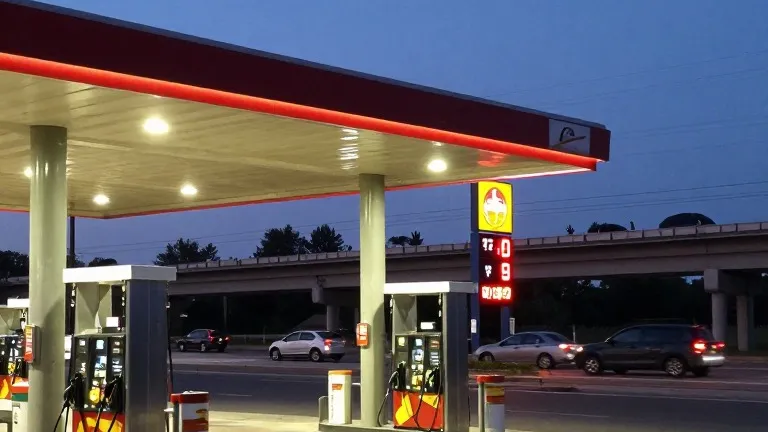
The price moves have been quick. After the US and Israel struck Iran, Australian pump prices rose 60 cents per litre, adding $36 to a 60-litre fill and $144 a month for a household refueling weekly, compared with February. Global benchmark crude reached US$113 overnight, near the April high of almost US$120. The New York Times reported that Washington and Jerusalem have prepared plans to renew strikes on Iran after the US midterm elections, and Westpac analysts model a path toward US$150, an escalation scenario that echoes warnings from the International Monetary Fund earlier this month.
A fifth rate decision arrives on 3 November. Reserve Bank official Andrew Hauser called the mix of high inflation, low growth and rising unemployment a central banker's "nightmare", while Chalmers said the government can still act on cost-of-living support and on budget management. He also said productivity growth has stalled, which brings the economy to its speed limit faster and lifts inflation at lower growth rates. Chalmers has previously offered help with cost-of-living pressures and said he would manage the budget responsibly. High government spending works against inflation, a point the opposition raises repeatedly.
Two paths sit before the government in the December update. A temporary fuel excise cut would push billions into motorists' pockets but complicate the Reserve Bank's inflation work. Large spending cuts would aid the bank, but weaken an already soft economy and raise unemployment. Hauser described the dilemma as a "world of hard choices", where solving one problem worsens another.
Investors are also pulling back. Heavy spending on artificial intelligence has papered over weakness elsewhere, but debt levels among firms building that infrastructure have unsettled markets, contributing to another steep Wall Street sell-off overnight. Talk of a technology bubble now runs alongside talk of a bust.