Snapchat settles speed filter crash claim
A decade-long lawsuit over a 107 mph collision ends without an admission of liability, while experts argue car marketing normalizes dangerous driving habits.
By Alina Carter ·
The Maynard family will no longer have to wait for a trial to determine who is responsible for a high-speed collision that left their son with permanent brain damage. Snapchat agreed to settle the lawsuit just before the case went to court. The settlement terms are confidential, and neither party admitted fault in the agreement.
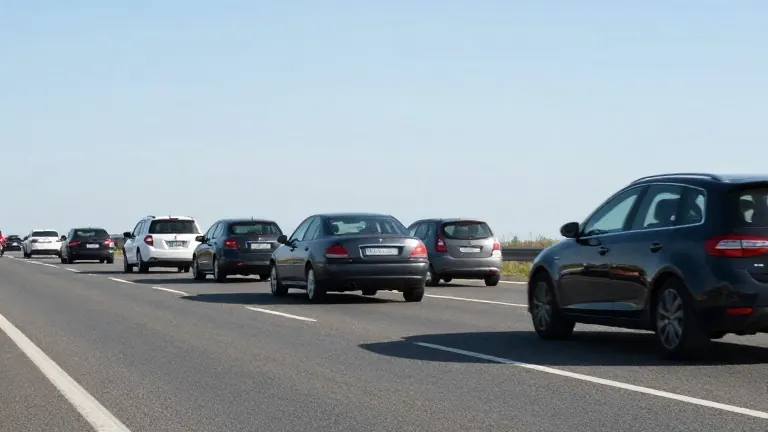
Wentworth Maynard was rear-ended on Tara Boulevard in 2015 by a 19-year-old driver. Court records indicate the young driver was traveling at approximately 107 miles per hour. The Maynards sued Snapchat, alleging the driver was using the app’s speed filter at the time of the crash. This feature allowed users to see their speed and share it with friends. The case has moved through the judicial system for more than ten years before reaching this resolution.
In a statement, Snapchat said the case was resolved amicably. The company previously noted that it warned users not to drive while using the app. Snapchat discontinued the speed filter in 2021 after concerns that it encouraged risky behavior behind the wheel. The driver entered a no contest plea to a criminal charge of serious injury by vehicle, according to court documents.
While the legal dispute has ended, the question of why speeding remains common in the United States persists. Car commercials frequently highlight performance metrics, such as how quickly a vehicle can accelerate from zero to 60 miles per hour. They also boast about sport modes that provide extra power. These marketing messages suggest that speed is a desirable feature, even though studies show that higher speeds reduce reaction time and vehicle control while increasing the severity of impacts.
American culture has long associated the automobile with freedom and independence. This individualism can lead drivers to prioritize their own speed and schedule over the safety of others. The road is a public utility funded by taxes, yet it is often treated as a personal tool for speed rather than a shared space for safe transport. Media and marketing have played a role in turning vehicles into toys by emphasizing excitement over utility.
Researchers and urban planners argue that small changes in design and messaging can shift behavior. The book Nudge outlines how minor adjustments in how options are presented can lead to better decisions. In transportation, road design acts as a nudge. Narrower lanes, for example, encourage drivers to slow down without requiring active enforcement. A recent study by Smart Growth America found that pedestrian deaths in the U.S. have increased by 72% since 2009. The organization identified road design as a primary factor in this rise.
Automakers and marketers are now under pressure to reconsider how they present vehicle capabilities. While drivers spend significant time and money on their cars, the messaging should perhaps focus more on safety and function. The goal is to align the cultural perception of driving with the practical reality of sharing the road with other people.