Paperwork Piles: A Professional Organizer's Strategy for Control
Kacy Paide advises sorting documents into active and inactive stacks to reduce stress and manage deadlines.
By Petra Murphy ·
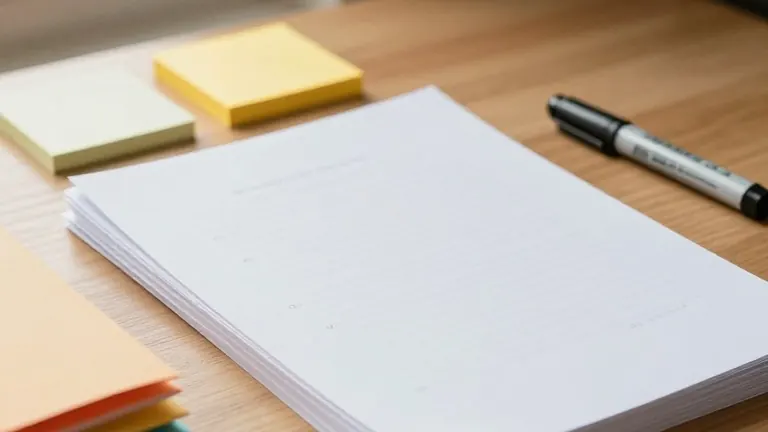
Professional organizer Kacy Paide says the most common barrier to organizing documents is the fear of doing it wrong.
Paide has worked in the field for more than twenty years and specializes in paper clutter. She argues that clients often feel pressured to rush through the process or follow a rigid structure. She tells clients they are in control of the pace. "You're in control of your paper, and it's up to you how fast you want to get through it," she says. This approach aims to remove the anxiety associated with large volumes of mail and records.
The first step is to focus on the documents closest to you. Paide advises ignoring items stored in garages or office closets initially. The papers on a desk or dining table usually contain the most urgent items. She calls these "on fire" documents. Sort these into two distinct piles. The first pile is for active items that require immediate follow up, such as paying a bill or making a call. The second pile is for inactive items, like receipts or birth certificates. These inactive documents can be set aside for later review.
For the active pile, Paide recommends writing clear deadlines on sticky notes. Use a permanent marker to attach the note to the document. She insists on specific dates, such as "due by Nov. 15," rather than vague labels like "urgent." Specific dates help maintain clarity on what needs to be done. Vague labels lose their meaning quickly. This simple tactic allows a person to see exactly what requires attention and when.
Creating a filing system does not require expensive supplies. Paide uses simple file folders and labels them with sticky notes. This method allows for easy changes if the sorting system needs adjustment. She suggests placing critical documents, like passports and marriage certificates, in a brightly colored folder. This folder should be placed at the front or back of a file box. This makes the items easy to spot without searching through other papers. Paide also suggests using decorative file boxes on bookshelves to create a visual system that is both functional and approachable.
Deciding what to discard is often the hardest part. Paide suggests asking if there is a specific circumstance where the document would be needed. The Federal Trade Commission advises destroying documents that contain sensitive information to protect against identity theft. This includes account numbers, birth dates, passwords, signatures, and Social Security numbers. While shredding everything with a name on it is not strictly necessary, it is a valid choice for peace of mind. For sentimental items, such as old letters or divorce papers, Paide suggests having a friend or family member help. She notes that people often reach a decision on keeping or tossing these items "shockingly fast" once they voice their thoughts.
Organizing is an ongoing process rather than a one time event. Paide recommends working in short sessions of twenty five minutes. This keeps the task manageable and prevents burnout. The system will require maintenance and change as new documents arrive.