New Nature Series Embraces Imperfect Shots
Producers are deliberately leaving murky footage in their upcoming ocean series to prove nothing has been generated by artificial intelligence.
By Tunde Bailey ·
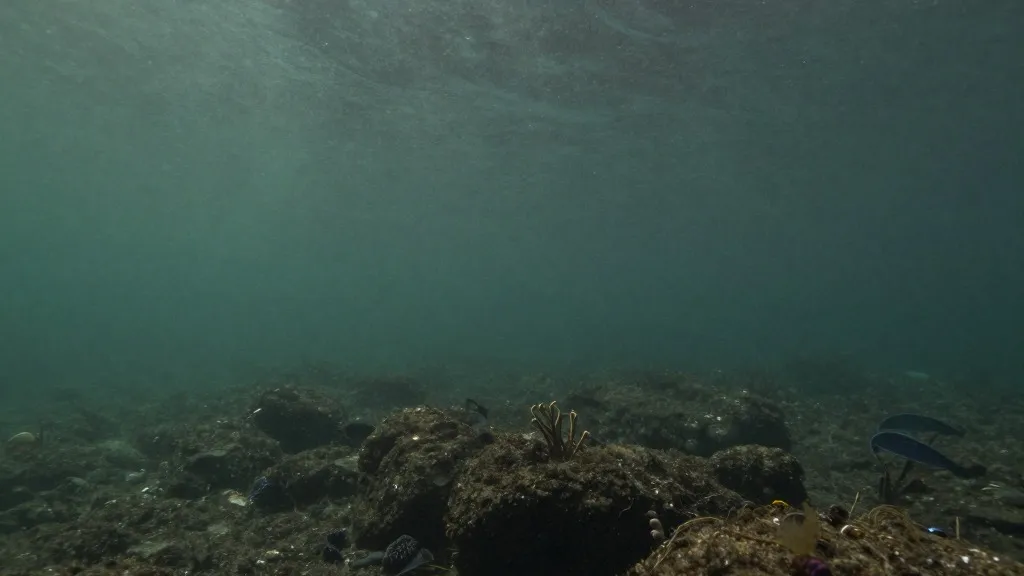
The upcoming BBC documentary series Blue Planet III is intentionally retaining footage that looks cloudy or unpolished to prove the visuals are genuine. Following the rise of generative artificial intelligence tools, creators have decided to show scenes containing plankton, poor water conditions, or background objects like boats to reassure viewers that the footage is not computer-generated.
Blue Planet III arrives almost ten years after the second installment of the franchise, which focused on plastic pollution, and 25 years after the original series first aired. For this new release, the BBC Studios natural history unit promises footage of animal behavior filmed with new technology, including an underwater CCTV camera nicknamed the "stonefish" cam.
While camera technology has improved since the original series, the team opted for what they described as a more "organic" look to combat skepticism regarding artificial intelligence. Executive producer Elizabeth White stated that AI "makes us want to be even more authentic," noting that the deep ocean animals filmed are likely more remarkable than AI could imagine. White explained that sequences previously discarded for being murky or containing background clutter are now being kept to lean into "authenticity."
During a recent press screening, Jack Bootle, the BBC's head of specialist factual commissioning, assured journalists regarding the production's integrity. "No gen AI was used in this series. Not a single frame. It's all real photography," Bootle said, adding that despite viewers feeling they have seen everything before in the genre, this series is "bursting with novel behavior".
Reported footage includes dolphins using sea sponges to block holes in coral to trap fish, a grouper communicating with other species, and 200,000 crabs feeding in formation. Other scenes show sea urchins using shells for protection and a penguin sequence described as echoing the "iguana v snakes" moment from Planet Earth II. The series also examines ocean threats, including warmer seas killing clownfish anemones and pollutants like forever chemicals.
Filming for the series spanned four years across five oceans. Series producer Lara Bickerton noted the team built a "mini-dome" camera to follow an octopus and a "deep-sea selfie stick." Camera operators wore leg-mounted scooters to capture diving footage, and lasers were used to film deep-sea animals.
Regarding production, White stated that David Attenborough, who is 100, was "very much involved" and made changes to the scripts. She declined to comment on the potential impact of the BBC's £500m cost-cutting drive on the unit's reputation but noted the series saved money by utilizing local crews on location. Blue Planet III is scheduled to begin broadcasting on BBC1 and iPlayer on Sunday 1 November.