Motorbike Gunmen Raid Taraba State Village, Disputes Emerge Over Final Death Toll
A coordinated attack on a rural settlement in eastern Nigeria has sparked conflicting reports regarding casualties, with estimates ranging from ten to forty fatalities as authorities and residents provide differing accounts.
By Alina Carter ·
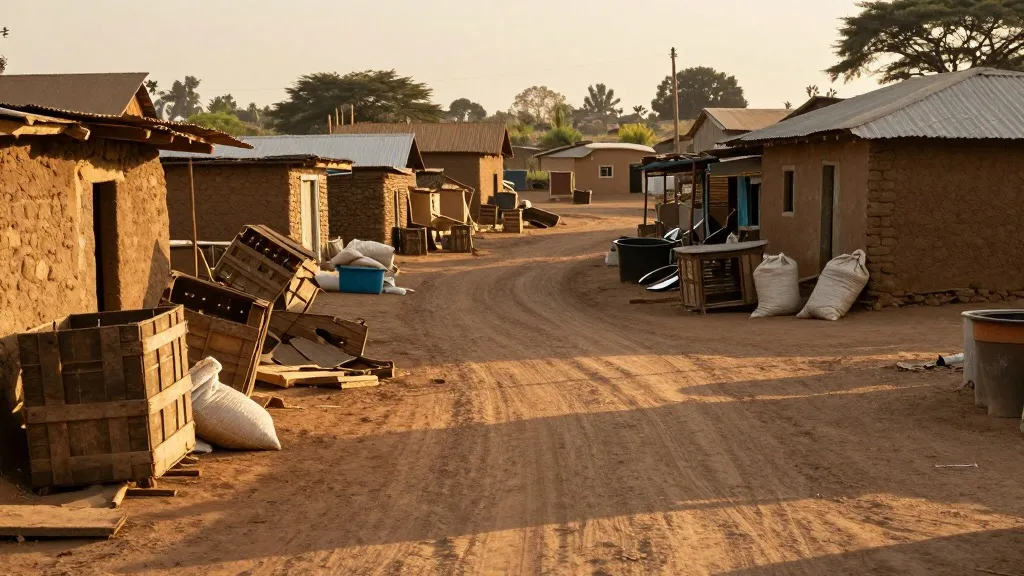
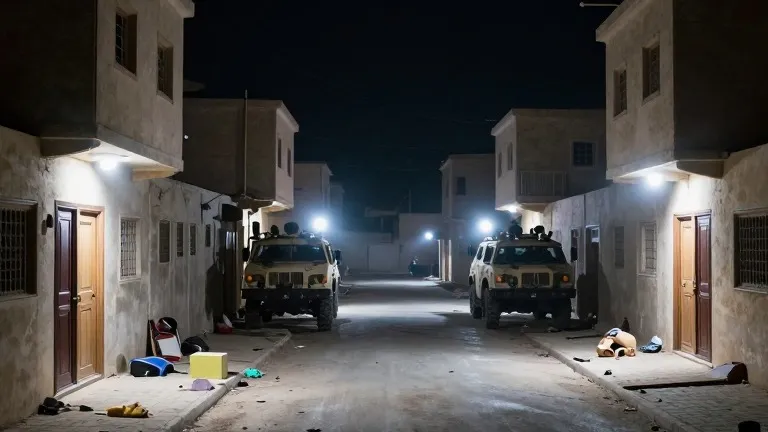
A violent raid on a village in eastern Nigeria has left a trail of destruction and confusion as officials and survivors struggle to agree on the final number of victims. The incident, which took place on Friday in the Taraba State community of Binnari, marks another chapter in the ongoing struggle against armed groups operating in the region.
Police authorities initially confirmed that ten bodies had been recovered by Friday evening. This official count was based on the immediate aftermath of the assault. However, as time passed, the situation became more complex. Additional bodies were discovered on Saturday, leading to a significant revision of the initial figures. The discrepancy between the early police report and later findings has created a gap in public understanding of the event's severity.
The numbers continue to climb as new information emerges. Survivors of the attack told the AFP news agency that they counted at least twenty dead bodies after the gunmen departed. This resident estimate is already double the initial police confirmation. The human rights organization Amnesty International has presented an even higher figure. In a statement released on Saturday, the group claimed that forty people were killed in the assault. Their report notes that while police first confirmed ten deaths, the discovery of more bodies on Saturday supported their higher count.
Witnesses describe a scene of chaos and rapid movement. The attackers did not arrive by foot or in vehicles, but rather on a large number of motorcycles. A community leader named Malam Abubakar Saifullahi stated that approximately fifty motorcycles were involved in the raid. He noted that each bike carried two men, suggesting a coordinated and heavily manned force. The speed and mobility of the attackers allowed them to strike quickly and retreat before a full defensive response could be mounted.
The timing of the attack was particularly devastating for the villagers. Residents said the gunmen opened fire just after Friday prayers had concluded. This timing caught many people off guard, as they were likely gathering or moving through public spaces. Sa'idu Nuhu, a resident of Binnari, described the scene after the attackers left. He told AFP that the community counted more than twenty bodies and noted that some people were still missing at the time of his statement. Another resident, Isiyaku Musa, provided a similar account, placing the death toll at no fewer than twenty individuals.
The raid was not only a deadly assault but also a significant looting operation. According to police and community leaders, the attackers targeted local shops and stores. They seized cash, foodstuffs, and other provisions. The attackers also took advantage of the panic to grab assets from fleeing residents. Saifullahi mentioned that the gunmen collected motorcycles that people had abandoned while trying to escape the gunfire. This theft of transportation further disrupted the community's ability to recover and communicate in the immediate aftermath.
The violence in Taraba State is part of a broader pattern of banditry affecting several parts of Nigeria. These groups are generally not driven by a specific ideology but by economic motives and territorial control. They frequently raid villages, kidnap individuals for ransom, and impose informal taxes on farmers and miners in areas where the state presence is weak. This has made rural life increasingly precarious for many residents in the central and eastern regions of the country.
Amnesty International has used this incident to highlight wider issues in the country's security response. The group criticized Nigerian authorities in its Saturday statement. They argued that officials continue to leave rural communities in certain northern areas vulnerable. The organization stated that gunmen are repeatedly committing atrocities with impunity due to a lack of effective protection for these remote populations.
The situation in Nigeria is compounded by other armed conflicts. The country has been engaged in a fight against an armed rebellion since the 2009 uprising led by Boko Haram. This long-standing conflict continues to strain military resources. In a separate development on the same Saturday, the Nigerian military reported a significant action in the northeastern state of Borno. Officials announced that an air strike had killed fifteen individuals described as terrorists, showing that the military is actively engaged in multiple fronts across the nation.