California Power Costs Double National Average
Electricity prices in the state have risen to roughly twice the national mean as renewable mandates expand.
By Petra Murphy ·
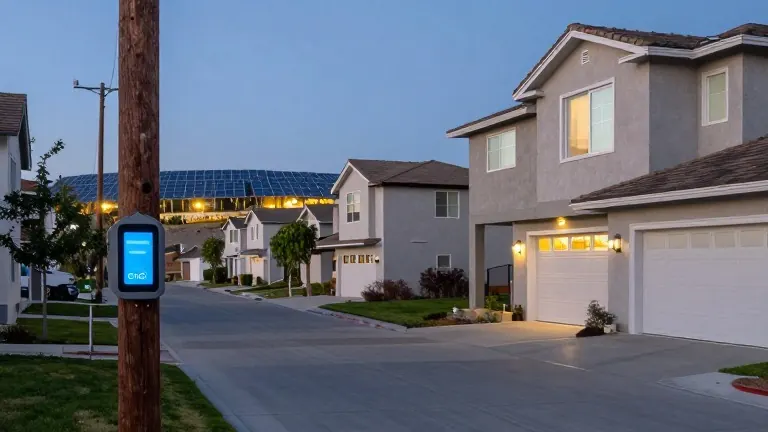
A typical residential electric bill in California now reflects a price point that is approximately double the national average.
This premium stands in contrast to the period before the state implemented its Renewable Portfolio Standard, or RPS. At that time, California rates were only 40% to 50% higher than the rest of the country. The gap has widened as the share of power from wind and solar has grown.
The RPS requires that 60% of the state’s electricity come from renewable sources by 2030. The mandate increases to 100% by 2045. The current administration defines these favored sources narrowly. Nuclear power, which produces fewer lifetime emissions than solar and comparable amounts to wind, does not count toward the state’s renewable goals.
Wind and solar generation is intermittent. It depends on weather conditions rather than direct demand. This characteristic necessitates backup power to keep the lights on when the sun sets or the wind stops. Utilities have traditionally used natural gas for this purpose. Three aging gas units located in Ormond Beach, Alamitos, and Huntington Beach are scheduled to expire at the end of December 2026. The California Energy Commission has declined to renew contracts for these facilities.
Battery storage systems are emerging as the preferred alternative for backup power. These systems face technical limitations and safety risks. Fires at the Moss Landing and Gateway energy storage facilities have demonstrated the potential hazards. Whether utilities rely on gas or batteries, the cost of maintaining backup capacity adds to the final price paid by consumers.
Transmission infrastructure presents a separate financial challenge. Solar and wind farms must be built in specific geographic areas that are often distant from population centers. This distance requires extensive investment in transmission lines. Longer lines built through fire-prone terrain can increase ignition risks if they are not hardened or carefully routed. These maintenance and construction costs are frequently excluded from the base price of renewable energy.
Regulatory mechanisms also add to the expense. Utilities must purchase Renewable Energy Credits to verify compliance with the RPS. California imposes strict limits on which credits are acceptable. These restrictions may inflate costs and complicate interstate commerce. A similar policy in Pennsylvania is currently the subject of a lawsuit filed by West Virginia.
Wayne Winegarden, a senior fellow at the Pacific Research Institute, argues that these mandates drive affordability issues. He notes that states without RPS policies have also seen declines in greenhouse gas emissions since the national peak in 2007. This suggests that California can continue to reduce emissions without the specific costs associated with the current renewable portfolio structure.
More Business · Customer Complaints · Report a business · Got a Story?